
Vandaag of morgen in huis

Kwaliteit gegarandeerd

Welkomstaanbiedingen ontgrendelen: GRATIS bezorging | Tot 80% korting | Gratis 30 dagen JoyPlus-proefperiode
Download de app
In the Netherlands, a waterproof hardshell jacket needs to do more than keep out a passing shower. On a cycle to work, a walk on the Veluwe or a weekend camping trip, rain, wind and exertion can all come and go quickly. But eye-catching product copy doesn’t always tell you enough about how a jacket performs in everyday use.
The most common buying mistakes come down to three pitfalls:
When choosing a waterproof outdoor jacket, don’t just look for the word “waterproof”. Check whether the product information includes details about:
The PELLIOT models are described in the product information as storm-resistant, windproof and hard-wearing. As no specific hydrostatic head or seam-taping details are provided, it’s best not to assume these technical specifications. According to the product description, the jacket is designed for activities including commuting, walking and trekking.
According to the product description, a breathable waterproof jacket wicks away moisture while you’re active. This matters when cycling, walking briskly or climbing, but “breathable” doesn’t mean you’ll stay dry in every condition. A rucksack, high humidity and strenuous activity can all limit how well moisture is wicked away.
A hardshell jacket made from breathable fabric is more practical if it also has:
For high-intensity activities, a jacket for trekking and camping with extra ventilation is more practical than a model chosen purely for its sleek appearance.
Always compare the product measurements in centimetres with a jacket you already find comfortable. According to the size chart, the standard PELLIOT hardshell measures 72 cm in length, 121 cm across the chest, 52.9 cm across the shoulders and 60.2 cm for the sleeve in size M. In size L, these measurements are 74, 127, 54.7 and 61.7 cm respectively.
The weight-to-height chart is only a guide. If you’re unsure, choose a size with room for layers, but check the sleeve length and shoulder width too. A regular fit can feel comfortable in an everyday jacket; for mountaineering or winter walks, a slightly roomier fit is often more practical.
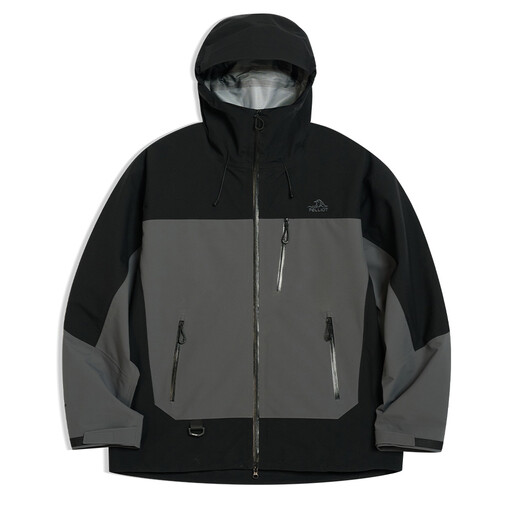
Why it suits this profile: This unisex black jacket is a good choice if you’re looking for one waterproof outdoor jacket for walking, travelling and everyday use. The size chart covers sizes XS to XXL.
The product description mentions windproofing, breathability and hard-wearing fabric. Check for yourself that the fit leaves room for an extra layer.
According to the product information: storm-resistant water repellency, a windproof construction and a chest measurement of 121 cm in size M.
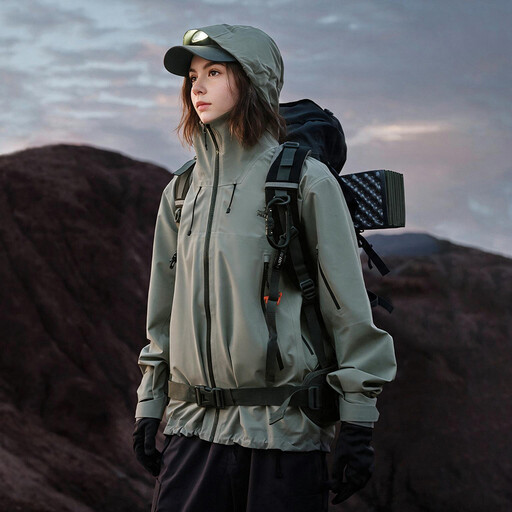
Why it suits this profile: This model is designed for those who want greater freedom of movement and extra features for trekking, rough terrain and changeable weather.
The description mentions longer pit zips and more elastic fabric. That means you’re not relying on the “breathable” label alone.
According to the product description: lighter, more elastic fabric, pit zips, a chest measurement of 120 cm and a sleeve length of 64 cm in size L.
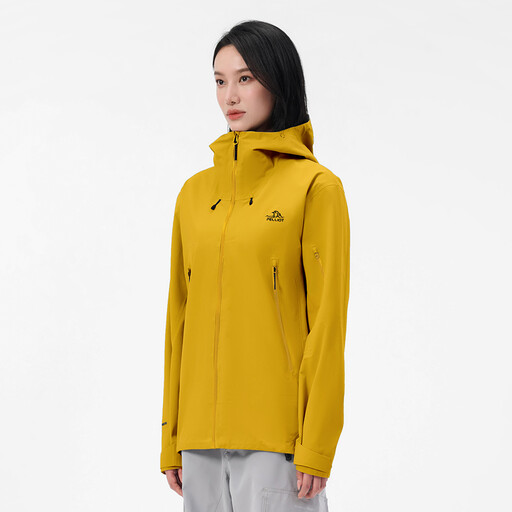
Why it suits this profile: The Pro version is designed for demanding outdoor activities, including mountaineering, snow and rocky terrain. The yellow colour can also help you stay visible in low light.
The extra pit zips provide a practical way to ventilate. Before buying, check that the additional features are relevant to how you plan to use the jacket.
According to the product description: pit zips, stretch fabric, a sleeve pocket and a RECCO reflector. This reflector is not a substitute for a safety plan or mountaineering equipment.
We’ve put together a complete, up-to-date list of products that meet these strict selection criteria and the applicable European safety regulations.
Even a hard-wearing walking jacket needs looking after. Always follow the care label and product instructions. For the PELLIOT hardshells mentioned here, the recommendations include washing carefully in cold water, closing the zips, avoiding bleach and not tumble drying. Don’t use fabric softener if the product information advises against it. Leave the jacket to air dry and store it completely dry.
After a walk or camping trip, check the zips, cuffs and seams. Dirt can affect how zips and finishes perform. A jacket that’s visibly delaminating, torn or no longer fastens properly is less suitable for prolonged rain, whatever its original marketing claims.
Yes, as long as it gives you enough freedom of movement and has a hood, adjustable cuffs and protection around the zip. For short rides, a basic waterproof outdoor jacket is often enough. For longer or more strenuous rides, breathable fabric and pit zips are more important.
Its lifespan depends on how often you wear it, friction from a rucksack, washing and exposure to dirt. There’s no fixed lifespan for every model. Regular care, gentle washing and prompt repairs to small areas of damage can help keep your jacket in use for longer.
A hardshell is usually a protective outer layer, not necessarily a warm winter jacket. In low temperatures, wear it with a thermal base layer and a fleece or insulating mid-layer. When trying it on, check that there’s enough room around the shoulders and chest for these layers.
