
Vandaag of morgen in huis

Kwaliteit gegarandeerd

Welkomstaanbiedingen ontgrendelen: GRATIS bezorging | Tot 80% korting | Gratis 30 dagen JoyPlus-proefperiode
Download de app
A waterproof hardshell jacket might seem easy to choose at first. But there are clear differences in fit, material and protection. A jacket may look water-repellent, yet still let water through during prolonged rain. A windproof jacket can also feel too warm on a brisk walk if it doesn’t allow moisture and body heat to escape.
For conditions in the Netherlands, a good balance is important. Think changeable weather on a bike ride, your commute, a walk in the dunes or a trek in the mountains. Read on to find out which features to check before buying a waterproof outdoor jacket, unisex rain jacket or trekking jacket.
A coating that keeps out light showers won’t necessarily protect you during a prolonged downpour. Check whether the product description specifically mentions a waterproof membrane or laminated outer layer. Also look at the zips, seams and cuffs: these are the areas where rain can get in.
According to the product description, PELLIOT models feature a waterproof laminate layer. The manufacturer describes the jacket as suitable for rain and wind. This is a product claim made by the brand, not a guarantee for every weather condition. Always check the latest product specifications and terms of use.
A jacket that’s too small restricts your movement and leaves little room for a fleece or lightweight down jacket. On the other hand, a jacket that’s too large can flap in the wind and feel less comfortable when cycling or climbing.
Don’t just look at S, M or L: check the measurements in centimetres too. For example, the PELLIOT jackets mentioned have a chest measurement of 112 cm, a back length of 72 cm and sleeves measuring 62 cm in size S. If you want to wear a thicker mid-layer underneath, the product information suggests considering a size up.
A breathable walking jacket helps moisture and heat escape, but how well it works also depends on your level of activity, the temperature, ventilation zips and the clothes you wear underneath. According to the product description, PELLIOT uses a moisture-wicking mesh or technical lining. Treat this as information from the brand, and choose a base layer to suit your activity.
Look for the following:
A waterproof jacket for mountain walking should also give you enough room to move. A simpler construction may be enough for everyday use, while trekking also calls for hard-wearing fabric and a good fit around the wrists and neck.
A jacket that can release moisture is more practical for walking, cycling and climbing than a fully sealed rain jacket. Check whether the brand mentions technical ventilation, a mesh lining or a breathable membrane. Look for the difference between specific material details and general marketing claims.
According to the product description, the PELLIOT hardshell comes with a moisture-wicking mesh or technical lining and an outer layer made from nylon or a polyester blend. The exact material composition may vary between product pages, so check the details before buying.
A hard-wearing jacket is useful for rocky terrain, branches and intensive everyday use. A sturdy outer fabric can help extend the jacket’s life, but incorrect care can reduce its water-repellent performance.
For the PELLIOT jacket, it’s recommended that you clean it with a damp cloth or machine wash it on a cold, delicate cycle. Don’t use fabric softener. Leave the jacket to air dry, and avoid ironing and dry cleaning. Always follow the instructions on the product label.
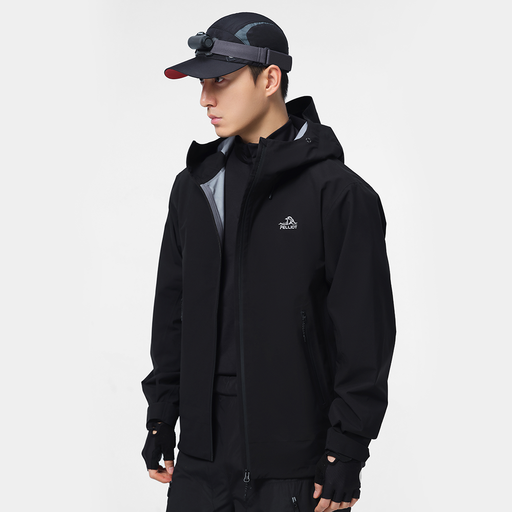
Why it suits this profile: This black unisex rain jacket in size S is a good choice if you’re looking for a neutral jacket for commuting, walks and light trekking.
The product page mentions a laminated waterproof outer layer, wind resistance and a size chart in centimetres. This makes it easier to check the fit accurately than relying on the size S label alone.
Black colour, unisex fit, size S and a mesh or technical lining, according to the product description.
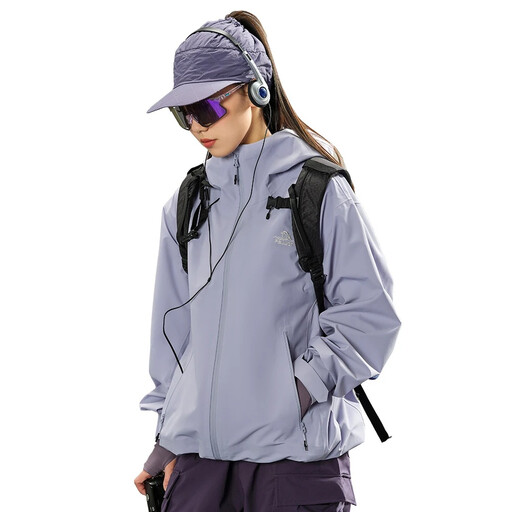
Why it suits this profile: This purple rain jacket in size L gives you room for layers. It’s a good fit for walkers who want to combine practicality with a standout techwear look.
Sizes range from XS to XXL, and the product information includes measurements for length, chest, shoulders and sleeves. This helps you plan for a comfortable mid-layer.
Size L, purple colour, windproof construction according to the product description, and an outer fabric described as hard-wearing.
Why it suits this profile: Size M is a practical choice for trekking, longer walks and mountain sports, where you may need to wear an extra layer underneath.
According to the size chart, size M has a length of 74 cm, a chest measurement of 116 cm and a sleeve length of 63.5 cm. Compare these measurements with your own clothing before ordering.
Black colour, size M, mesh lining according to the product description, and an outer layer designed for use on rougher terrain.
We’ve put together a complete, up-to-date list of products that meet these strict selection criteria and the applicable European safety regulations.
Yes, as long as the fit and ventilation suit the way you’ll use it. For cycling and commuting, a good hood, adjustable cuffs and plenty of room to move are practical features. For strenuous walks, a breathable walking jacket is usually a better choice than a heavy, fully sealed rain jacket.
It depends on the quality of its construction, how often you wear it and how you care for it. Rubbing against rocks, branches and rucksack straps puts strain on the fabric. Wash the jacket according to the label, don’t use fabric softener and store it dry. Check the seams, zips and outer layer from time to time.
A hardshell mainly protects you from rain and wind; it isn’t automatically an insulated jacket. In cold weather, wear a fleece or lightweight insulating layer underneath. Choose your size based on how many layers you want to wear, and check the measurements in centimetres rather than relying on the letter size alone.
