
Vandaag of morgen in huis

Kwaliteit gegarandeerd

Welkomstaanbiedingen ontgrendelen: GRATIS bezorging | Tot 80% korting | Gratis 30 dagen JoyPlus-proefperiode
Download de app
A waterproof hardshell jacket needs to do more than keep the rain out. In the Netherlands, you often encounter wind, drizzle, heavy showers and changing temperatures while out and about. If you are buying a jacket for walking, cycling, trekking or commuting, you want protection without feeling weighed down or clammy.
However, product descriptions are not always complete. Pay particular attention to these common pitfalls.
A jacket may be described as waterproof without stating a hydrostatic head rating, taped seams or an official protection class. Without this information, it is difficult to compare performance fairly between models.
So check:
If no technical measurement is provided, treat the claim as a product description, not a guarantee for every weather condition.
A fully sealed jacket can keep out rain and wind, but during strenuous walking or climbing, heat and moisture can build up. An breathable waterproof jacket therefore needs a membrane, coating or lining that, according to the manufacturer, helps move moisture outwards.
Also look for ventilation options, a mesh lining and enough room for a base layer. “Breathable” is not a fixed performance level. A brand may describe the technology positively based on its own research, but real-world experience also depends on exertion, temperature, humidity and the clothing worn underneath.
You will often wear a hardshell over a T-shirt, fleece or thin insulating layer. A jacket that only fits over a thin shirt may feel too tight around the shoulders and underarms when the temperature drops.
Do not just measure your chest; also check:
A slightly roomier fit can be practical for layering, but excess fabric may catch on branches or equipment.
A waterproof jacket for men and women should keep rain out through several components: the outer fabric, coating or laminate, seams, zips and hood. Check whether the description mentions a waterproof laminate, waterproof zips or taped seams. If a detail is not mentioned, do not automatically assume that it is included.
For everyday cycling, a longer back and adjustable hood can be useful. For a trekking jacket, freedom of movement and compatibility with a rucksack are more important.
A windproof jacket is not necessarily warm. A hardshell mainly acts as a protective outer layer; insulation usually comes from your base and mid layers. Look for adjustable cuffs, a high collar and a hood that stays securely in place.
A hard-wearing jacket is useful when moving past rocks, branches or rough surfaces. Check the material description for this. Nylon or polyester blends with a waterproof laminate may be suitable for an outdoor jacket, but actual abrasion resistance depends on the weave, fabric thickness and how the jacket is used.
Technical fabric does not remain at its best automatically. Always follow the care label. Do not use fabric softener if the product information advises against it. Wash the zips closed, avoid direct heat and allow the jacket to air-dry when instructed.
The PELLIOT models are described as having a moisture-managing mesh or technical textile lining. According to the product description, the fabric is designed to move moisture outwards during exertion. This makes the jacket interesting for walking and trekking, but the experience will vary depending on the user and activity.
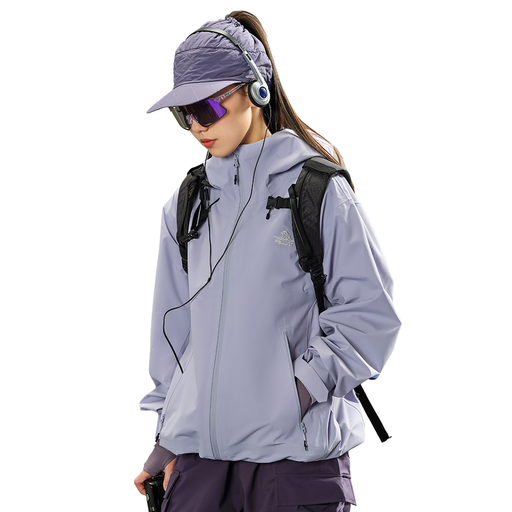
Why it suits this profile: According to the product description, this unisex jacket is intended for everyday use, water sports and trekking. Size S has a chest measurement of 112 cm and provides room for a light mid layer.
The product information states the materials, lining, measurements and care instructions. This means you do not have to rely solely on the general term “waterproof”.
Waterproof laminate, mesh or technical lining and a unisex fit. The description states that the outer fabric is hard-wearing.
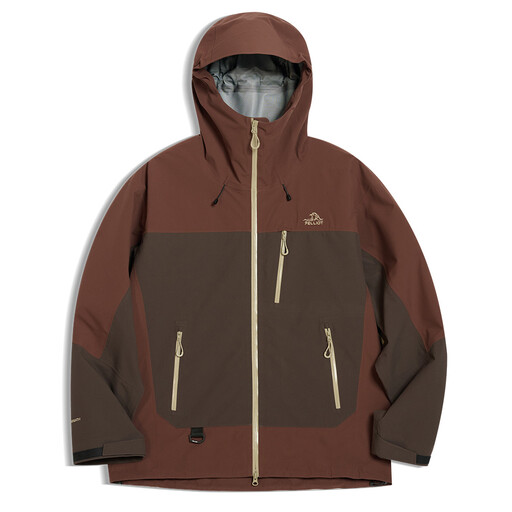
Why it suits this profile: The sizing information includes jacket measurements and a height-and-weight chart. This is helpful if you are looking for a camping jacket with room for layers.
The description provides specific measurements for each size and explicitly states that you should allow for layers. Check these details before buying.
A 127 cm chest measurement in size L, a wind-resistant and hard-wearing outer fabric as described, plus washing instructions for cold washing.
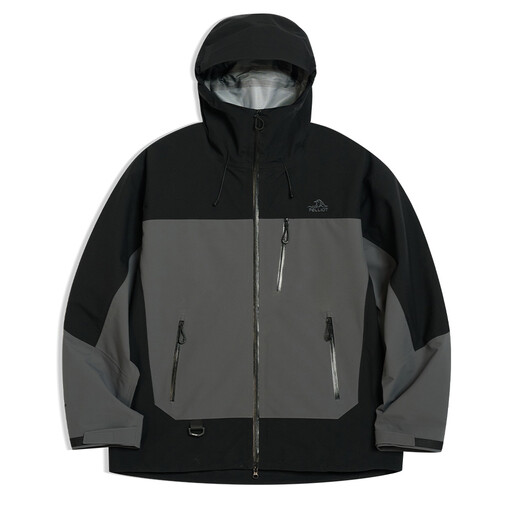
Why it suits this profile: For intensive walks, camping and use as an all-weather jacket, this model offers a practical combination of waterproof, wind-resistant and hard-wearing properties as described.
Material and care information is available. The manufacturer describes a high level of moisture management, but for intensive use, also check the ventilation and fit.
Size M has a chest measurement of 121 cm. The product description mentions a waterproof outer layer, moisture-managing properties and resistance to rough ground.
We have put together a complete, up-to-date list of products that fully meet these strict selection criteria and the applicable European safety regulations.
It can be, provided the jacket offers enough freedom of movement and has a hood, high collar and adjustable cuffs. For commuting, visibility, back length and ventilation are often more important than a technical appearance. Check that the jacket remains comfortable with a rucksack or pannier.
Its lifespan depends on use, friction, washing and care. A jacket that frequently rubs against branches or is worn under a heavy rucksack will wear out faster than a model intended for use in the city. Wash it according to the label, do not use fabric softener when this is discouraged, and store the jacket somewhere dry and clean. Regularly check the seams, zips and outer layer.
A hardshell is usually a protective outer layer and does not automatically provide much warmth. In cold weather, combine it with a breathable shirt and, if needed, a fleece or light insulating layer. Choose a size that allows these layers to fit comfortably without restricting your shoulders, chest or underarms.
