
Vandaag of morgen in huis

Kwaliteit gegarandeerd

Welkomstaanbiedingen ontgrendelen: GRATIS bezorging | Tot 80% korting | Gratis 30 dagen JoyPlus-proefperiode
Download de app
A waterproof hardshell jacket may look suitable for every kind of weather on paper. Yet many people buy a jacket that disappoints in practice. A smart colour or a term such as “storm-proof” doesn’t tell you everything about comfort, fit or long-lasting protection.
For walkers, campers, cycling commuters and trekkers in the UK, three common pitfalls are worth bearing in mind:
A waterproof hardshell jacket usually has an outer layer that keeps rain out. As well as the fabric, look for:
The available product information describes the PELLIOT hardshell jacket as having storm-resistant waterproof fabric. According to the product description, it’s designed to withstand prolonged heavy rain. However, no specific hydrostatic head rating or seam details are given. So, base your decision on the published features and check the current product page before buying.
A breathable rain jacket may be more comfortable for walking or trekking than a fully enclosed rain poncho. However, “breathable” doesn’t mean you’ll stay dry during every activity. On a steep climb, your body produces more heat and moisture than a jacket can remove straight away.
So, look for:
According to the brand’s own product description, the PELLIOT jacket features improved moisture transport. This is a product claim; your experience may vary depending on the wearer, activity and combination of layers.
A durable walking jacket needs to cope with rain and wind, but it should also suit the way you use it. A jacket that’s too tight can restrict your movement and leave little room for layers. One that’s too loose may flap in the wind.
According to the stated size chart, the PELLIOT hardshell jacket has the following outer garment measurements:
The chart uses height and weight as a guide. Measure your chest too, and allow room for a fleece or insulating layer. The outer fabric is described as windproof and hard-wearing. According to the product information, the jacket is designed for conditions including rocks, branches and rougher terrain. This isn’t a guarantee against damage, so if you’ll be using it intensively, watch out for rubbing from rucksack straps and abrasive surfaces.
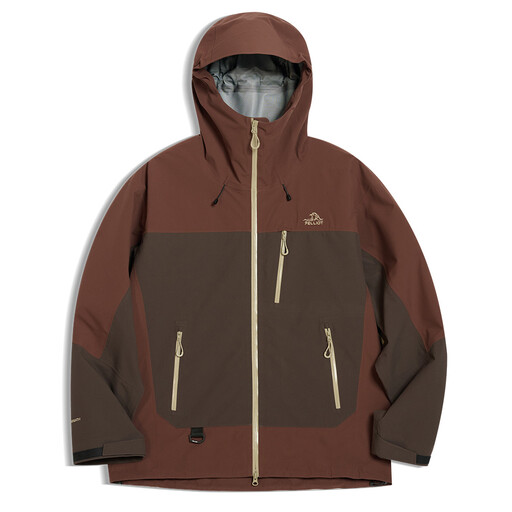
Why it suits this profile: This unisex brown hardshell jacket is designed for everyday commuting, walking and camping. The size chart helps beginners compare size M with their own measurements and preferred layers.
The product page gives specific chest, sleeve and length measurements rather than just a general fit description. Its stated waterproof and windproof properties are clearly presented as product information.
Brown colour with colour-blocking, unisex design, machine washable on a cold cycle, and an outer fabric described as windproof and hard-wearing.
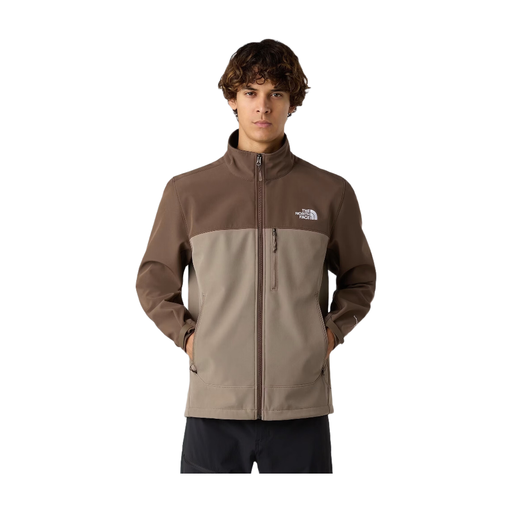
Why it suits this profile: This model is suited to everyday wear and light outdoor activities where wind protection, pockets and comfort matter more than protection from prolonged rain.
The product information describes this model as windproof, but not waterproof. This makes it clearer when you’ll need a separate waterproof layer.
93% polyester and 7% elastane, fleece lining, zipped chest and hand pockets, and adjustable cuffs and hem.
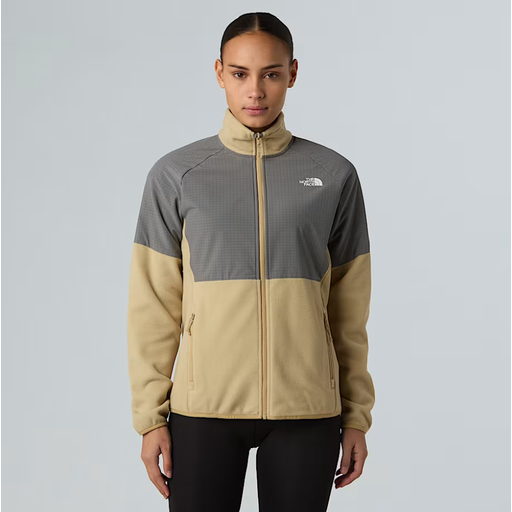
Why it suits this profile: This fleece is suitable as a warm mid-layer for walking, climbing and camping. Pair it with a waterproof outer layer for changeable British weather.
The product description presents this garment as a mid-layer, not a rain jacket. That helps you avoid mistaking a fleece for a hardshell.
100% polyester fleece, regular fit, full-length zip and zipped pockets. According to the product information, you can wear the fleece with a breathable waterproof outer layer.
We’ve put together a complete, up-to-date list of products that meet these strict selection criteria and the applicable European safety regulations.
Even a durable walking jacket needs care. Fasten all zips before washing and follow the care label. For the PELLIOT, a cold, delicate wash is recommended. Bleach, tumble drying and dry cleaning are not recommended. Leave the jacket to air dry, and check the zips, seams and outer layer from time to time.
Don’t use fabric softener if the manufacturer advises against it. It can affect the performance of technical fabrics. A hardshell jacket worn regularly will stay in use for longer if you remove mud and salt promptly.
Yes, as long as it allows enough freedom of movement and the hood, sleeves and hem fit well. Check the back length too, and make sure you’ll be visible in low light. Not every hardshell is specifically designed for cycling.
It depends on how you use and care for it, friction from a rucksack, and exposure to rain and dirt. Check the seams, zips and outer layer regularly. A jacket may still be structurally intact even as its water-repellent finish gradually wears off.
Prices vary depending on the fabric, brand, construction and technical specifications. So don’t compare price alone: check the size chart, care instructions, seam information and intended use too. A windbreaker or fleece may cost less, but it won’t replace a waterproof hardshell in prolonged rain.
