
Vandaag of morgen in huis

Kwaliteit gegarandeerd

Welkomstaanbiedingen ontgrendelen: GRATIS bezorging | Tot 80% korting | Gratis 30 dagen JoyPlus-proefperiode
Download de app
A waterproof unisex hardshell jacket needs to cope with more than a brief shower in the UK. Walkers, cycling commuters, campers and trekkers have to contend with prolonged rain, strong winds and changing temperatures. Yet product claims can be difficult to assess properly. A jacket may be described as waterproof, but still feel uncomfortable during exercise or fail to provide enough room for a warm midlayer.
The main pitfalls are:
Below, you’ll find a practical way to compare a waterproof outdoor jacket, along with several product options for different uses.
A hardshell jacket generally consists of an outer fabric with a waterproof membrane or laminate. Don’t just look for the word waterproof; also check for:
EN 343 is often used in Europe for protective rainwear. This does not mean that every waterproof jacket is automatically certified to this standard. Always check the product specifications and any conformity information. A jacket for everyday cycling also has different requirements from one designed for mountaineering.
A breathable waterproof jacket helps move moisture and heat outwards, but the result depends on exertion, humidity and clothing layers. According to PELLIOT’s product information, the hardshell models mentioned feature a breathable mesh lining or technical fabric for moisture management.
For strenuous walking or trekking, additional ventilation options are useful. According to the product description, the PELLIOT Outdoor Rock Shell Pro models feature extended underarm zips. These allow you to increase airflow during a climb or brisk walk without unzipping the entire jacket.
For commuting or gentle walks, this feature is less important than a comfortable fit, reflective details and easy care.
A windproof jacket with a hard-wearing outer layer is practical on woodland paths and rocky terrain. According to the product information, several PELLIOT models are made from nylon or a polyester blend with a waterproof laminate. The Rock Shell Pro is described as lighter and more flexible than the first generation.
Also pay attention to the measurements. For the purple and black PELLIOT Waterproof Jackets, the chest measurements in the table are:
The models have a utility fit. If you want to wear a thick midlayer, the product information suggests considering one size larger. Measure your chest while wearing a thin layer of clothing and compare it with the size chart. Also check the sleeve and jacket lengths; long sleeves are useful on a bike, but may feel too generous for everyday use.
Washing instructions are also important for the jacket’s lifespan. For several PELLIOT jackets, cold washing on a delicate cycle is recommended. Do not use fabric softener, avoid high heat and leave the jacket to air-dry. Always follow the care label on the product you purchase.
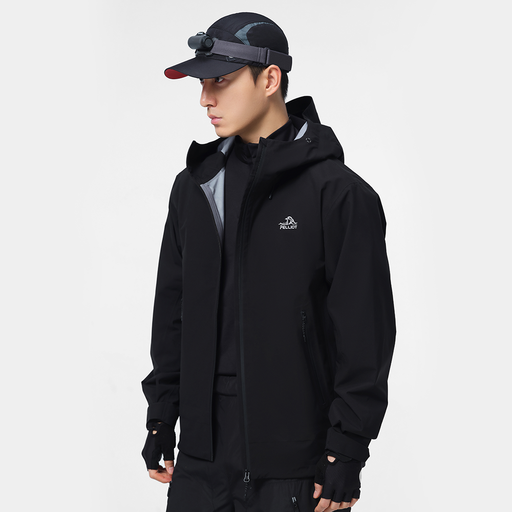
Why it suits this profile: The black version is suitable for anyone looking for one neutral waterproof outdoor jacket for commuting, walking and light trekking.
The product information mentions a waterproof laminate, wind-resistant construction and size measurements. Before buying, however, check the latest information on the seams and hydrostatic head rating.
Black colour, sizes XS to XXL, mesh or technical fabric on the inside, and care with cold washing.
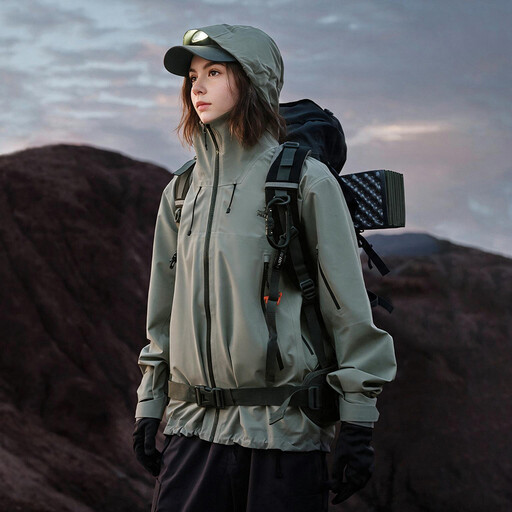
Why it suits this profile: This Pro model is suited to users looking for a technical jacket for intensive trekking, rougher terrain and changeable weather conditions.
The product description mentions longer underarm zips and a more flexible fabric. This makes ventilation and movement more practical than with a jacket without additional openings.
According to the product information: lighter, flexible fabric, breathable mesh, hard-wearing construction, underarm ventilation, sleeve pocket and RECCO reflector.
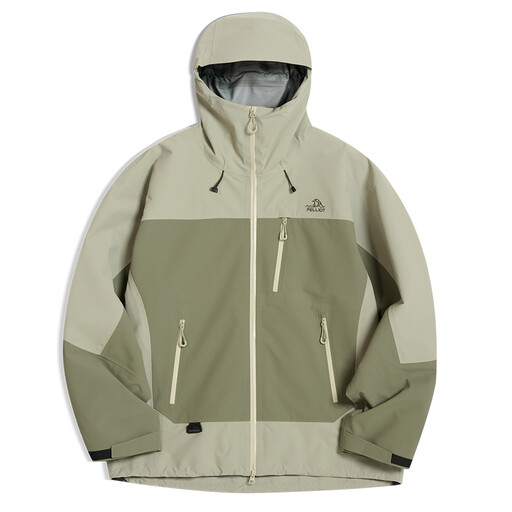
Why it suits this profile: An option for campers and walkers who want a distinctive all-weather jacket for both woodland trails and the city.
The size chart includes chest, shoulder and sleeve measurements, as well as guidance based on height and weight. This makes it easier to compare the unisex fit in practical terms.
According to the product description: waterproof and wind-resistant outer fabric, breathability, hard-wearing material and colour blocking for improved visibility.
We’ve put together a complete, up-to-date list of products that fully meet these strict selection criteria and the applicable European safety regulations.
Yes, provided the jacket offers enough freedom of movement and has features suited to cycling, such as an adjustable hood, longer sleeves and a hem that can be closed securely. For intensive cycling, ventilation zips are useful. Also check that the jacket does not create uncomfortable pressure points when you are leaning forwards.
Its lifespan depends on use, washing, abrasion and care. Frequent contact with rucksack straps can put strain on the outer fabric. Wash the jacket according to the care label, do not use fabric softener and avoid high temperatures. Once the water-repellent outer finish becomes less effective, care with a suitable product recommended by the manufacturer may help. However, this will not automatically repair damage to the membrane or seams.
A hardshell is generally designed as a protective outer layer and does not provide much insulation on its own. In cold weather, wear a breathable base layer and, if necessary, fleece or a lightweight down or synthetic jacket underneath. Choose the size based on those layers, not just on how the jacket fits over a T-shirt.
