
Vandaag of morgen in huis

Kwaliteit gegarandeerd

Welkomstaanbiedingen ontgrendelen: GRATIS bezorging | Tot 80% korting | Gratis 30 dagen JoyPlus-proefperiode
Download de app
A waterproof bone conduction headset may seem suitable for every workout on paper. However, small differences in water resistance, storage and fit can determine whether you mainly use it while swimming or leave it in a drawer after a few weeks.
Pay particular attention to these common pitfalls:
An IP67 waterproof headset is, according to the IP classification, protected against dust and temporary immersion. With IP68, the precise water depth and duration depend on the manufacturer’s specifications. IPX7 and IPX8 mainly provide information about water protection, but not dust protection.
For swimming, check:
The product information for the Verbex X7S states an IPX8 rating and 32 GB of memory. The safety information limits use to fresh water and pool water. After contact with seawater, the manufacturer advises rinsing the device with fresh water.
A Bluetooth sports headset is practical for running, fitness, cycling and commuting. You can stream music, podcasts or phone calls directly from your phone. During swimming, however, Bluetooth is less suitable because of the limited transmission of signals underwater.
Choose 32GB MP3 headphones if you:
For everyday sports, a model with Bluetooth only may be sufficient. In that case, check the stated battery life, Bluetooth version and range. A stated range of 10 metres generally applies under favourable conditions and may vary in a busy gym or outdoor environment.
An open-ear sports headset does not completely cover the ear canal. As a result, environmental sounds such as traffic or other cyclists remain audible in many situations. This is not a guarantee of road safety: keep the volume low and stay alert.
Look out for:
Read the term ‘noise cancellation’ critically. According to some brands’ own product information, this may refer to sound insulation, microphone noise reduction or a software feature. It does not automatically mean active noise cancellation like that found in fully sealed earbuds.
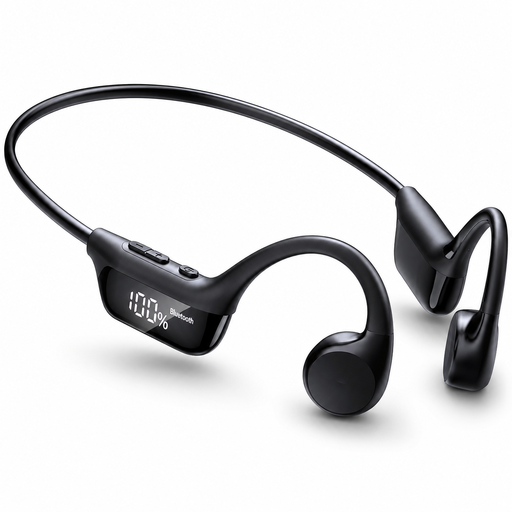
Why it suits this profile: This model is aimed at users looking for open-ear headphones for running, cycling, fitness or skiing, without needing dedicated swimming features or MP3 storage.
The product information states Bluetooth 6.0, an IPX7 rating and up to 12 hours of battery life. Before buying, check that this level of water protection suits your exact sporting activity.
Open-ear design, microphone, LED display, Bluetooth 6.0 and a stated battery life of 12 hours.
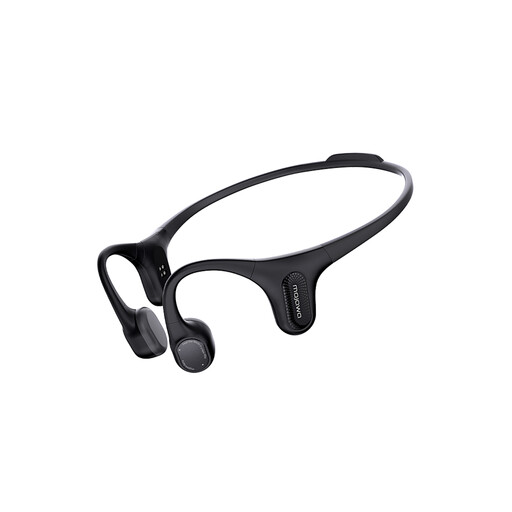
Why it suits this profile: Suitable for runners and cyclists who value a stable open-ear fit, Bluetooth connectivity and an integrated microphone.
The stated IP67 rating is more specific than simply using the word ‘waterproof’. According to the product description, the model is designed for sweat, rain and outdoor use; swimming is not listed as its primary application.
IP67 rating, open-ear design, Bluetooth and integrated microphone for music, podcasts and calls.
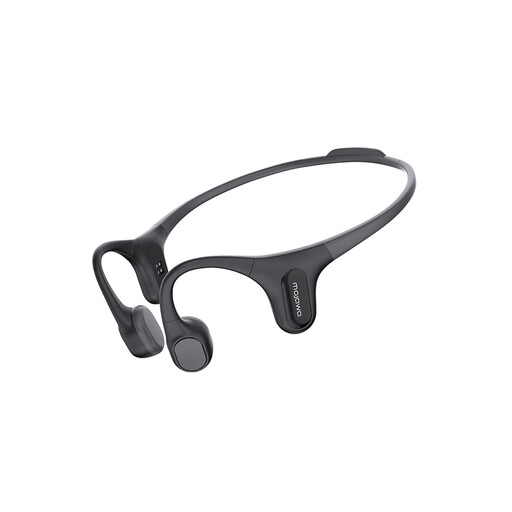
Why it suits this profile: This model is ideal for athletes who want to use one device for running, swimming, the gym and cycling, with both Bluetooth and local music storage.
The product name mentions IP68, 32 GB of built-in storage and an open-ear design. This means you can use MP3 storage for swimming instead of relying on Bluetooth underwater.
IP68 according to the product listing, 32 GB of storage, Bluetooth and suitability for swimming, running, cycling and fitness.
We have compiled a complete, up-to-date list of products that fully meet these strict selection criteria and the applicable European safety regulations.
Waterproof swimming headphones require careful use. Always follow the instructions for the specific model. These practical steps will help minimise unnecessary wear and tear:
Only if the product specifications support swimming and immersion. Check the IP rating, user manual and recommended water conditions. For listening to music while swimming, internal MP3 storage is generally more practical than Bluetooth.
Bluetooth is generally unreliable underwater over the distance between a smartphone and the swimmer. For this reason, choose a model with built-in storage, such as 32GB MP3 headphones, and load your music onto the device beforehand.
Their lifespan depends on charging cycles, volume, temperature, water quality and maintenance. Rinse off chlorine or salt, dry the charging contacts and avoid prolonged exposure to heat. A stated battery life, such as 8 or 12 hours, is a product specification based on usage conditions that may vary from one situation to another.
