
Vandaag of morgen in huis

Kwaliteit gegarandeerd

Welkomstaanbiedingen ontgrendelen: GRATIS bezorging | Tot 80% korting | Gratis 30 dagen JoyPlus-proefperiode
Download de app
A waterproof Bluetooth headset may seem ideal for running, cycling, working out and swimming. However, terms such as “waterproof”, “noise cancelling” and “AI features” do not always mean the same thing. A model that can cope with rain is not automatically suitable for a swimming pool. And headphones with long battery life can still be impractical if recharging them after every swimming session is difficult.
Pay particular attention to these three common pitfalls:
The IP code consists of numbers and sometimes an X. The first number refers to protection against solid particles; the second refers to water. IPX5 generally means protection against water jets. That is suitable for sweat and rain, but not for swimming.
A rating such as IP68 waterproof is often used for devices that offer greater resistance to dust and immersion. However, the exact conditions vary by manufacturer. Always check the product information: does it explicitly state that the model is suitable as swimming headphones or headphones for swimming? Also pay attention to the instructions regarding fresh water, pool water and seawater.
Some products display a less complete rating, such as “IP8” or “IPX8”. Do not automatically assume that this is equivalent to IP68. Check the official product specifications and safety warnings.
Bone-conduction headphones transmit sound through vibrations in the bone next to the ear. The ear canal remains open, which can be useful when running or cycling and you want to remain aware of ambient sound. However, the listening experience differs from that of a closed in-ear model.
Open-ear headphones also work without completely blocking the ear canal. This can be more comfortable during long training sessions, but they generally offer less passive noise isolation. For commuting, studying or a noisy gym, noise-cancelling earbuds may be more practical. According to HTC’s own product information, for example, the NE20 features adaptive hybrid ANC; this function requires careful consideration when you need to remain aware of traffic or other ambient sounds.
Long battery life is useful, but pay attention to how it has been measured. Manufacturers may state playback time at a low volume or in combination with a charging case. So look at:
For swimming, a model with internal storage is often suitable because you cannot always take a phone into the water. An MP3 player with 32 GB of storage may therefore offer a greater practical benefit than a newer Bluetooth version.
The recommendations below are linked to clear usage profiles. The features mentioned are based on the supplied product specifications and product descriptions. Brand claims regarding sound quality, noise reduction or translation are not presented as guaranteed results.
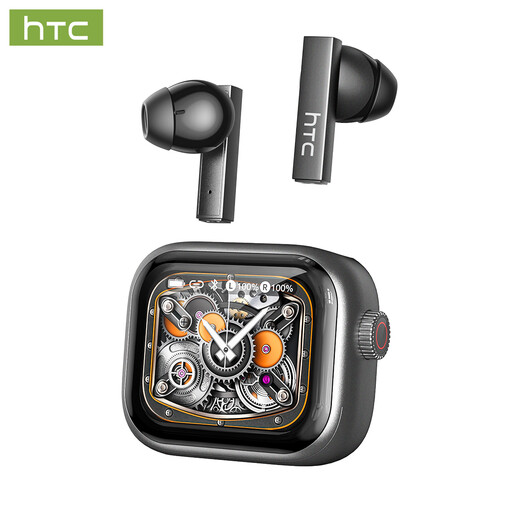
Why it suits this profile: This model is designed for everyday use, calls, studying and light exercise. The touch controls and built-in microphone are practical for users looking for wireless earbuds suitable for a range of situations.
The product information states IPX5 and warns that immersion is not permitted. This makes it clear that the model is intended for sweat and splashes, not swimming.
Bluetooth 6.0, a charging case with a stated total battery life of up to 55 hours, and support for third-party translation apps.
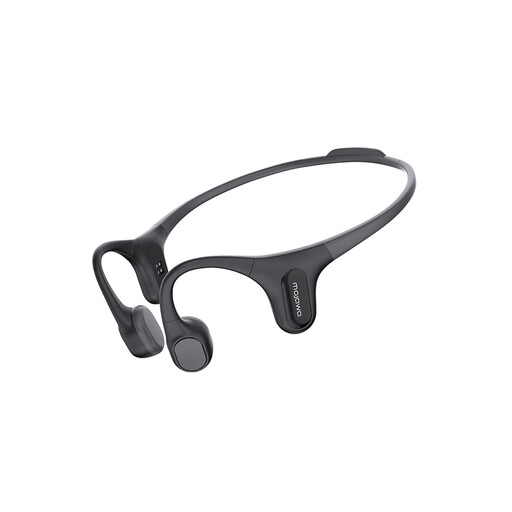
Why it suits this profile: An open-ear design with bone-conduction technology suits runners, cyclists and athletes who want to listen to music without completely blocking their ears.
The product name and description mention 32 GB of internal MP3 storage and IP68. Before use, check the specific swimming and charging instructions in the manual.
32 GB of storage, an open-ear design and a stated IP68 rating for sports and water use.
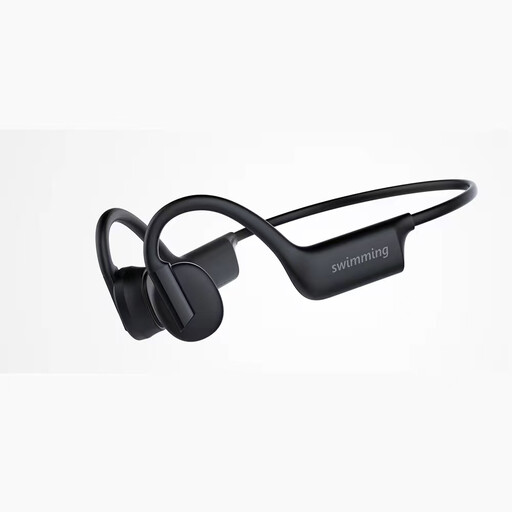
Why it suits this profile: This model is intended for users who combine swimming with running, cycling or gym workouts and need internal music storage.
The specifications mention 32 GB of memory and IPX8. According to the safety information, the model is intended for fresh and pool water; after exposure to salt water, rinse it with fresh water.
IPX8 according to the product details, 32 GB of storage, Bluetooth connectivity and a stated battery life of up to 8 hours.
We have compiled a complete, up-to-date list of products that fully meet these strict selection criteria and the applicable European safety regulations.
For running headphones, a secure fit, low weight and audible ambient sound are important. When cycling, you need to be especially careful with ANC: the product information for some models warns that noise cancellation can limit your spatial awareness.
For gym headphones, sweat resistance, easy controls and secure attachment are often more important than maximum immersion protection. If you mainly travel or work in an office, you may be better off looking for Bluetooth earbuds with a microphone, charging case and, optionally, ANC.
AI translation earbuds do not work automatically in every situation. According to HTC’s product information, translation requires a third-party translation app and an internet connection. Check in advance whether the app you want to use is compatible with your phone.
Not every model can. Bluetooth signals have a limited practical range underwater. For swimming, a model with internal storage and a dedicated swimming mode is often the more logical choice. Also check the IP rating and whether the manufacturer explicitly mentions swimming.
After using the device in pool or salt water, rinse it with clean water unless the manual states otherwise. Dry the headphones completely before connecting the magnetic charging cable. Store them in a dry place and avoid high temperatures, such as inside a locked car.
Battery life per charge varies depending on the model and settings. High volumes, phone calls and noise cancellation can drain the battery more quickly. Battery capacity decreases over time. Charging the headphones correctly on a regular basis, storing them in a dry place and keeping the charging contacts clean can help limit unnecessary wear.
