
Vandaag of morgen in huis

Kwaliteit gegarandeerd

Welkomstaanbiedingen ontgrendelen: GRATIS bezorging | Tot 80% korting | Gratis 30 dagen JoyPlus-proefperiode
Download de app
A bag that looks suitable for cycling, travelling and everyday use isn’t automatically the right choice. Many shoppers focus on a prominent term such as “waterproof”, when comfort, closure, capacity and fastening are just as important. If you only look at the product title, you could end up with a bag that’s too small, doesn’t fit your bike properly or offers too little protection in a rain shower.
The three most common pitfalls are:
Don’t just look for the word “waterproof”; check how the bag provides protection too. Important details include:
For a waterproof bike bag or dry bag, a well-sealed opening is especially important. Water-resistant material may be enough for everyday commuting, but if you go on longer rides, pay closer attention to the closure and seam placement.
Compare the stated capacity in litres with what you actually carry. A lightweight crossbody bag with a capacity of 1.2 litres is suitable for a phone, wallet, keys and small accessories, for example. An expandable sling bag may be more practical if what you carry varies from day to day.
Also check:
A 10-litre dry bag or lightweight rucksack is handy for a short walk, bike ride or day of travelling. For a larger shop or camping gear, a spacious storage bag makes more sense. A bag with a roll-top closure often offers flexibility, but you do need to roll and secure it correctly.
A bag can be lightweight and still become uncomfortable if the strap is narrow or the contents pull against your body. So check for:
A roll-top laptop backpack needs to offer more than just space for a laptop: it should also provide protection and fit your device. Before choosing a top-tube bag, check the length of your bike frame and the available space around the handlebars and saddle.
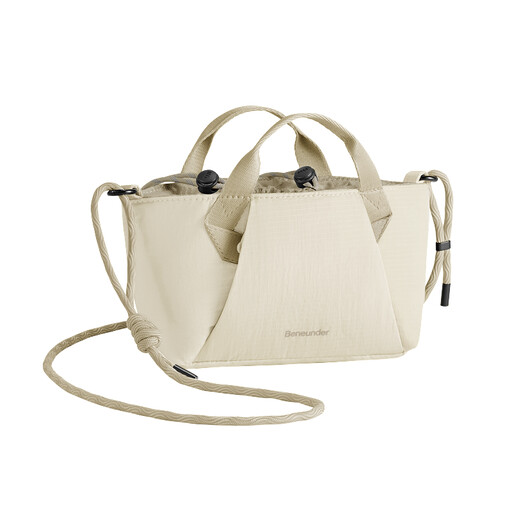
Why it suits this type of user: According to the product information, the bag weighs 98 grams and has a capacity of 1.2 to 3.6 litres. It’s well suited to everyday use when you mainly carry small personal items.
The standard and expanded capacities are listed separately. This makes it clear that 3.6 litres is the expanded capacity, not the standard capacity.
Weighs 98 grams, expands from 1.2 to 3.6 litres, and has inner pockets and an adjustable woven shoulder strap.
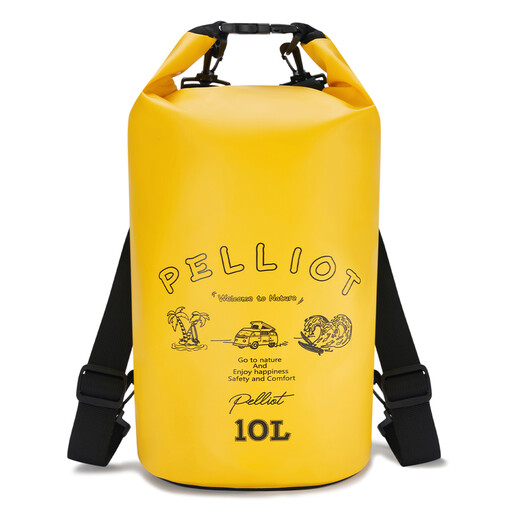
Why it suits this type of user: This bag is designed for walking, cycling, commuting and travelling. Its stated 10-litre capacity gives you more room than a compact crossbody bag.
The product information describes it as highly water-resistant and says it protects against light rain and splashes. This makes its limitations clearer than a general claim that it can be fully submerged.
10-litre capacity, roll-top closure, compression straps, foldable design and a whistle on the chest strap, according to the product description.
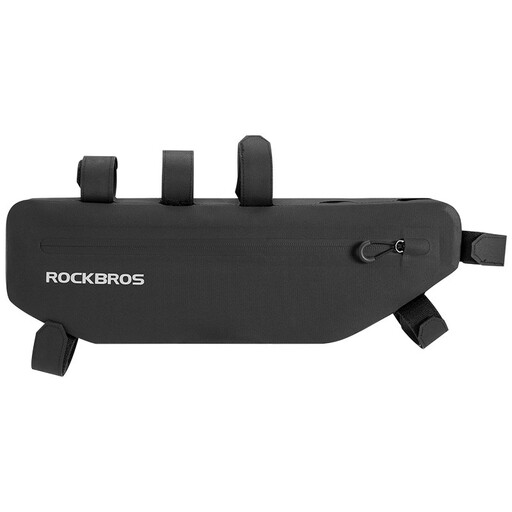
Why it suits this type of user: This bag is designed for road bikes, mountain bikes, gravel bikes and city bikes. It measures approximately 40 × 12.5 × 6 cm and attaches with adjustable hook-and-loop straps.
Compatibility isn’t universal: the product information recommends a top-tube length of at least 42 cm. So check your bike frame first.
840D nylon with a TPU coating, sealed waterproof zip, reflective logo and tool-free installation.
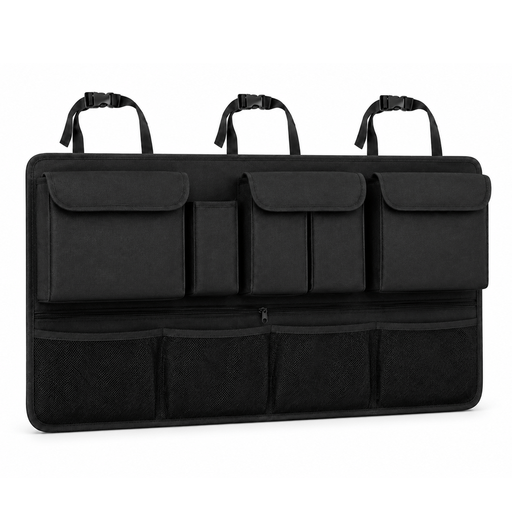
Why it suits this type of user: This car seat organiser is designed to attach to the back of the front seats. Measuring 88 × 48 cm and with eight pockets, it’s suited to larger cars, shopping and family use.
The dimensions and three adjustable buckles are listed. Before buying, check the length of your boot and secure the straps firmly.
Oxford fabric, foldable design, four standard pockets and four mesh pockets for storing a variety of items.
For picnics, a foldable picnic bag with an integrated blanket is handy if you want to carry fewer separate items. According to the product description, the 2-in-1 model below transforms from a carry bag into a round blanket measuring 100 cm. Just check that it’s the right size for your group and the surface you’ll be using it on.
A waterproof rucksack or lightweight bag is suitable for walking and travelling, as long as you understand the difference between water-resistant and waterproof. For work and cycling, a laptop compartment, roll-top closure and enough back length matter more than a high capacity figure alone.
We’ve put together a complete, up-to-date list of products that meet these strict selection criteria and the current European safety regulations.
It depends on how long it rains and how heavy the rain is. Water-resistant material can protect against light rain and splashes. For longer bike rides, check the closure, sealed zips and seams too. If you’re carrying delicate items, consider taking an extra protective cover.
Its lifespan depends on the material, how heavily it’s loaded, how it’s cared for and the conditions it’s used in. Overfilled compartments, sharp objects and loose straps can speed up wear and tear. Follow the manufacturer’s care instructions: several of the models mentioned can be cleaned with a damp cloth and should be left to air dry.
A lightweight crossbody bag is enough for small items. If you carry a laptop, lunch and clothes, compare the dimensions of a roll-top laptop backpack with the size of your laptop. For cyclists who only carry a phone, keys and a repair kit, a top-tube bike bag may be more practical.
