
Vandaag of morgen in huis

Kwaliteit gegarandeerd

Welkomstaanbiedingen ontgrendelen: GRATIS bezorging | Tot 80% korting | Gratis 30 dagen JoyPlus-proefperiode
Download de app
A waterproof backpack may seem like a straightforward purchase at first glance. However, models vary considerably in terms of protection, carrying comfort and usable capacity. A bag that mentions “waterproof” in its product title is not automatically suitable for a long bike ride through the Dutch rain. A compact backpack may also offer too little room for a laptop, lunch and an extra layer of clothing.
Pay particular attention to the construction and dimensions—not just the marketing terminology.
A water-resistant backpack will usually repel light drizzle better than a standard fabric bag. That does not necessarily mean that the seams, zips and closure will keep water out over an extended period. A waterproof dry bag backpack often uses a sealed or roll-top closure, whereas an everyday model may mainly rely on protective outer fabric and covered zips.
Therefore, check:
A 15.6-inch laptop backpack may appear suitable for any laptop with that screen size. In reality, laptops vary in thickness and edge width. Measure the laptop itself and compare its dimensions with those of the laptop compartment. Also consider the protection around the compartment: a separate sleeve or thin pocket offers less impact protection than a padded compartment.
A backpack with a laptop compartment is practical for work, school and commuting, but the laptop compartment reduces the bag’s total usable capacity. As a result, a 10-litre bag can fill up quickly.
An expandable backpack offers flexibility, but additional capacity can also make the bag heavier or less stable. Check the capacity in both its standard and expanded configurations. Also inspect the shoulder straps, back panel and any sternum strap.
For everyday use, a lightweight backpack is often more comfortable than a large model with numerous separate compartments. For short trips, a travel backpack with a capacity of 25 to 35 litres may be more practical. Choose the capacity based on what you actually carry—not the largest number in the product title.
Nylon is lightweight and flexible. According to Beneunder’s product information, the LC183 uses a high-tenacity, ultra-soft nylon fabric with a protective coating against wind, rain and stains. This is a verifiable material specification, but the description does not provide a general guarantee against prolonged submersion.
For heavier rain or motorcycle use, PVC with a roll-top closure is another option. With this type of construction, the top must be rolled down several times and secured firmly. An incorrectly fastened closure or an overfilled bag can reduce its protective performance.
Use these guidelines as a practical starting point:
Do not focus on litres alone. The shape of the bag determines whether a laptop, water bottle or jacket can be stored efficiently. A hiking backpack often has a different layout from a commuting backpack.
For a backpack, adjustable shoulder straps, a stable back panel and good weight distribution are essential. Motorcycle bags require a different set of considerations. A motorcycle tail bag or waterproof motorcycle bag must be securely attached to the bike without obstructing the brakes, lights or controls.
Before every ride, check:
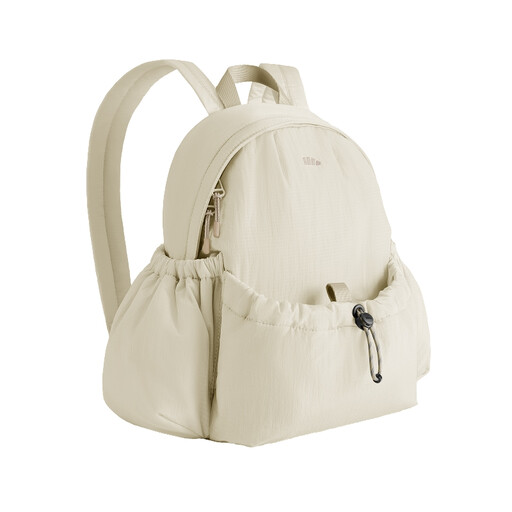
Why it suits this profile: The bag is compact enough for everyday use and, according to the product specifications, can be expanded from 10 to 13 litres. That makes it suitable for commuting, school and short walks.
The standard and expanded capacities are clearly stated. According to the product information, the protective fabric resists wind, rain and stains; prolonged submersion is not promised.
Stated weight of 8.3 oz, 10/13-litre capacity, nylon construction and pressure-relieving shoulder straps.
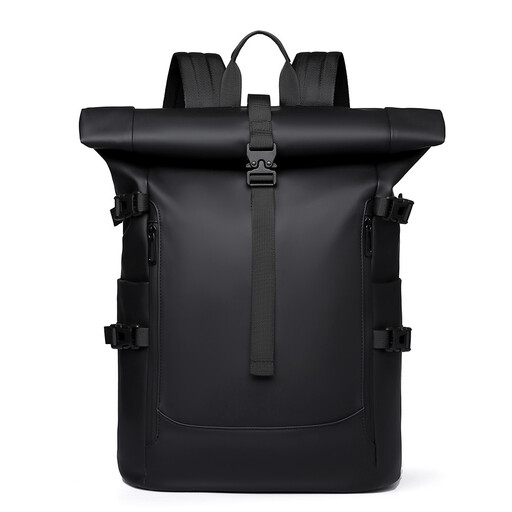
Why it suits this profile: The roll-top design is ideal for users who want to carry their laptop and everyday essentials in an organised way during work commutes, bike rides or city breaks.
The product name specifies water-resistant rather than automatically claiming full waterproof protection. This makes the distinction from a dry bag clearer when comparing options.
Suitable for a laptop up to 15.6 inches according to the product name, with a roll-top closure and multiple carrying options for work and travel.
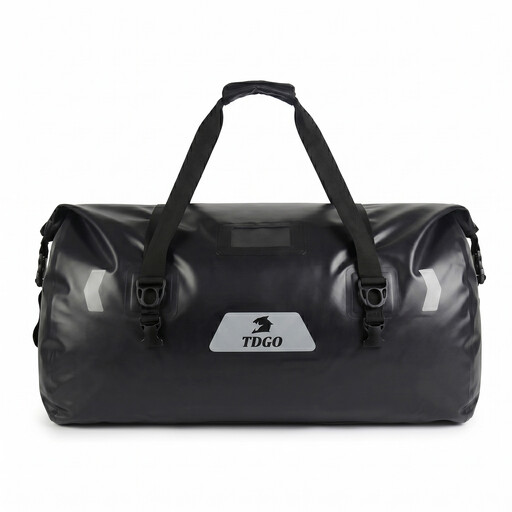
Why it suits this profile: This bag is designed for motorcycle rides and offers 36 litres of capacity. Its PVC construction, roll-top closure and reflective details make it suitable for commuting and longer journeys.
The product description specifies PVC construction, a roll-top closure and four attachment straps. The bag must be rolled and secured correctly; prolonged submersion is not recommended.
36-litre capacity, PVC construction, reflective elements and quick-release straps according to the product information.
We have compiled a complete, up-to-date list of products that fully meet these strict selection criteria and the applicable European safety regulations.
A waterproof backpack remains reliable when you look after its closure and fabric properly. Wipe away dirt with a damp cloth and allow the bag to air-dry. Do not use harsh cleaners, and do not leave PVC near a radiator or another heat source for extended periods. Only machine-wash a backpack if the manufacturer explicitly permits it.
For a motorcycle tail bag, it is advisable to remove water and dirt after a wet ride. Regularly inspect the seams, buckles and attachment straps as well. Sharp objects can damage the inner layer and reduce the bag’s water-repellent performance.
That depends on the intensity of the rain and the bag’s construction. For short rides in light rain, a water-resistant backpack may be sufficient. In heavy or prolonged rain, a roll-top bag or dry bag generally provides a more substantial barrier. Consider placing important electronics in an additional protective sleeve.
For a laptop, documents, lunch and a few accessories, 15 to 25 litres is often practical. A compact 10-litre bag works if you carry very little. For clothing, shoes or a short trip, 25 to 35 litres may be more convenient. Measure your laptop and check the internal compartments before ordering.
Keep the contents within the stated capacity, fold the top edge down several times and fasten the buckle or closure securely. Then check that the opening is not twisted and that no sharp objects are pressing against the walls. A roll-top bag is not an invitation to fill it without limits.
