
Vandaag of morgen in huis

Kwaliteit gegarandeerd

Welkomstaanbiedingen ontgrendelen: GRATIS bezorging | Tot 80% korting | Gratis 30 dagen JoyPlus-proefperiode
Download de app
A waterproof 3-in-1 outdoor jacket may seem like a practical purchase on paper: one outer layer to protect you from rain and wind, a warm inner layer for cold days, and the option to wear both together. However, many buyers pay for features that prove less useful in practice than expected.
The most common pitfalls:
The hydrostatic head rating indicates how much water pressure a fabric can withstand according to a particular test method. A higher figure points to greater protection from rain, but does not tell you everything about the construction. Zips, the hood, cuffs and seams are just as important.
For a waterproof walking jacket or trekking jacket, fully or partially taped seams are important. They help prevent water from getting in through the stitched seams. Also check whether the jacket has a storm flap, an adjustable hood and sealable cuffs.
Breathability is often shown as MVTR, for example in grams per square metre per 24 hours. This figure indicates how much water vapour the fabric can let through under the stated test conditions. It is not a guarantee that every wearer will feel dry and comfortable: pace, humidity, clothing layers and ventilation zips all play a part.
For commuting, a breathable rain jacket is often sufficient. For more intense walking or camping, extra ventilation, such as underarm zips, is a practical advantage.
A 3-in-1 system usually consists of:
When choosing an outdoor jacket for women and men, pay attention to the measurements in centimetres rather than just S, M or L. Measure your chest, shoulders and sleeve length. Allow room for a fleece gilet or wool jumper underneath. An adjustable hem and cuffs help keep cold air out.
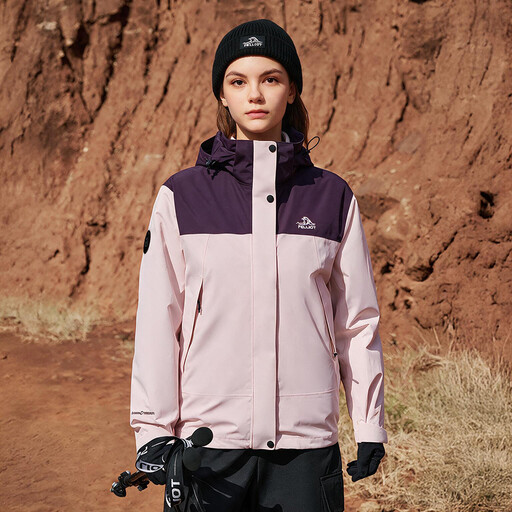
Why it suits this profile: The separate outer and inner layers are useful for everyday journeys, walks and travel in changeable weather.
The product description mentions a microporous STORMS BREATH membrane, taped seams and a lining that can be worn separately. Check the current sizing and product information before purchasing.
3-in-1 wearing options, thermal lining and a size range from S to XXXL according to the product information.

Why it suits this profile: This system is designed for men looking for one jacket for walks, travel and colder outdoor activities.
The description mentions an outer layer with taped seams, underarm ventilation zips and a separate down inner jacket. Check that any additional layers are compatible.
According to the product information: a Triclimate system, 550-fill-power down, GORE-TEX material, and an adjustable hem and cuffs.
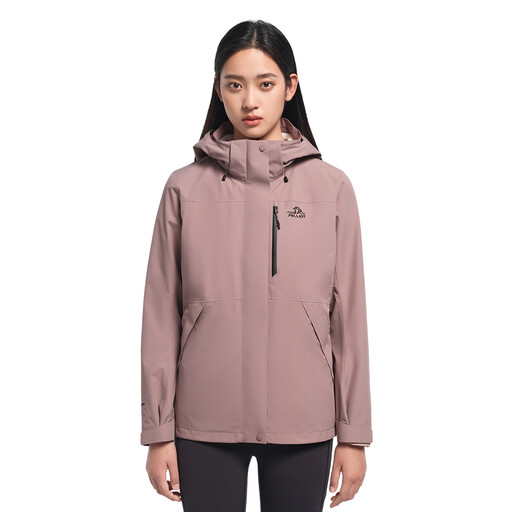
Why it suits this profile: The stated technical specifications make this model appealing for more intensive walking, camping and trekking.
According to the product description, a hydrostatic head of 35.900 mm H₂O, an MVTR of 16.000 g/(m²·24 hours) and more than 40.000 abrasion cycles were measured according to the stated JIS or test information. Results may vary depending on use.
Removable 3-in-1 construction, adjustable hood, hem and cuffs, and a thermal inner layer according to the product details.
We have put together a complete, up-to-date list of products that fully meet these strict selection criteria and the applicable European safety regulations.
A windproof jacket is particularly useful in exposed polders, on dykes and along windy cycle routes. For a camping jacket, a well-sealing hood and plenty of pockets are also useful. If you mainly wear the jacket in the city, a lighter model may suit you better than a heavy, warm winter jacket.
Also consider care and maintenance. Wash it according to the care label, fasten the zips before washing and do not use bleach unless permitted. With technical fabrics, incorrect washing can damage the water-repellent finish. A jacket with a durable construction is not automatically sustainable outdoor clothing; also consider the material information, repair options and how often you expect to use it.
That depends on the combination of outer layer, lining and mid-layers. The outer layer may be suitable for rainy, milder days, while the inner layer provides extra warmth. In freezing weather, additional clothing may be needed. Use the temperature ranges provided by the brand as a guide, not a guarantee.
A fleece-lined jacket usually has a permanently attached warm inner layer. With a 3-in-1 jacket, you can generally wear the layers separately or together. This gives you greater flexibility, but check that both layers fit together properly and that the zip connection works practically.
Its lifespan depends on use, washing, rubbing against branches or rucksack straps, and care of the outer finish. Check the seams, zips and coating regularly. Follow the care label and only treat a worn water-repellent layer with a product suitable for the specific material.
