
Vandaag of morgen in huis

Kwaliteit gegarandeerd

Welkomstaanbiedingen ontgrendelen: GRATIS bezorging | Tot 80% korting | Gratis 30 dagen JoyPlus-proefperiode
Download de app
A waterproof 3-in-1 outdoor jacket may seem like a practical purchase on paper: one jacket for rainy bike rides, cold walks and changeable weather at the campsite. However, there are clear differences between models. A jacket may be water-repellent, for example, but offer insufficient protection during prolonged rain. A warm lining may also leave too little room for an extra jumper.
If you only look for terms such as “all-weather” or “stormproof”, you risk making the wrong purchase. Pay particular attention to the technical specifications, the fit and how the jacket will be used in practice.
A coating can keep out light rain temporarily, but that says little about its performance during prolonged showers. Check whether the product description states a hydrostatic head rating. This value is expressed in millimetres of water pressure. The higher the stated value, the more pressure the fabric can withstand under the test conditions described.
Also check the seams. A waterproof outer fabric without properly finished seams can still let moisture through at the shoulders, zips and pockets.
A thick, padded outdoor jacket can be comfortable when you are sitting still, but heat can quickly build up while trekking or cycling. Look for a stated breathability rating, such as the MVTR value. This is often shown in grams per square metre per 24 hours.
According to the product descriptions for certain PELLIOT models, the stated MVTR is 16,000 g/m²/24 hours, measured according to JIS. This is a manufacturer’s product specification, not a guarantee that every wearer will remain dry and comfortable in all conditions. Ventilation zips, clothing layers and exertion also have an impact.
A 3-in-1 jacket usually consists of an outer layer and a removable inner layer. If you buy the jacket too tight, the combination may feel restrictive when you wear a fleece or jumper underneath. If you choose a size that is too loose, wind may enter around the waist and sleeves.
Measure your chest, shoulder width and sleeve length. Compare these measurements with the size chart for the specific model. Sizing may vary between product ranges, even when the name and brand are the same.
For commuting and walking in the Netherlands, it is not just the material that matters. Check whether the manufacturer mentions taped seams, an adjustable hood and a storm flap over the zip. These details reduce openings through which rain and wind can enter.
The PELLIOT jackets in this selection are stated to have a hydrostatic head of 35,900 mm H₂O according to JIS. According to the brand’s product information, the fabric is also designed with a microporous waterproof and breathable membrane. Treat this as a stated product specification and always check the current product page before buying.
A fleece-lined jacket or thermal inner jacket works best when the layers fit well together. A 3-in-1 system generally offers three ways to wear it:
The PELLIOT product descriptions give an approximate recommended temperature range of -5 to -15 °C for the combined version. This is a manufacturer’s indication. Wind, activity, base layers and personal preference all help determine whether the jacket feels suitable.
For camping, trekking and travel, a robust outer fabric and sturdy zips are important. Some PELLIOT specifications state a durability rating of 40,000+ abrasion cycles. According to the manufacturer, the outer fabric helps protect the jacket from contact with branches and rough surfaces.
Follow the care instructions carefully. According to the product information, the models mentioned can be machine-washed cold on a delicate programme. Bleach, tumble drying and dry cleaning are not recommended. Close the zips before washing and always check the care label as well.
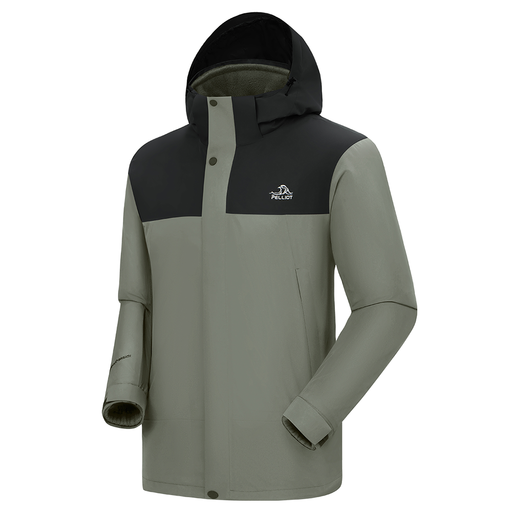
Why it suits this profile: A versatile men’s outdoor jacket for anyone looking for one system for everyday use, camping and light walks.
The product description mentions three ways to wear it and a microporous waterproof membrane with taped seams, rather than making only a general water-repellent claim.
Outer layer, thermal inner layer and stated size chart from S to XXXL; suitable for wearing with layers underneath.
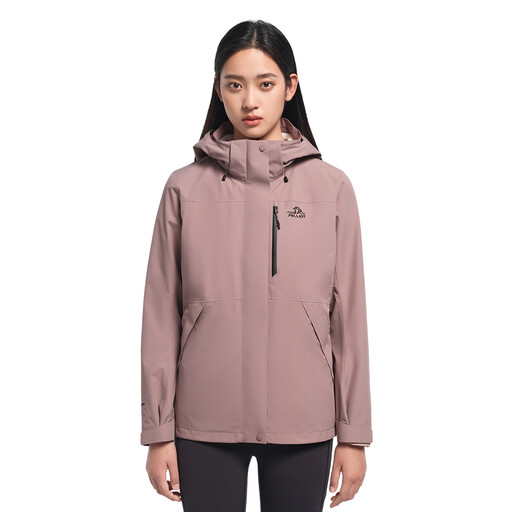
Why it suits this profile: A women’s outdoor jacket for anyone who values verifiable figures for waterproofing, breathability and durability.
The product listing includes a hydrostatic head of 35,900 mm H₂O, an MVTR of 16,000 g/m²/24 hours and 40,000+ stated abrasion cycles, all according to the manufacturer or test information provided.
Adjustable hood, hem and cuffs; separate outer and inner layers for different weather conditions.
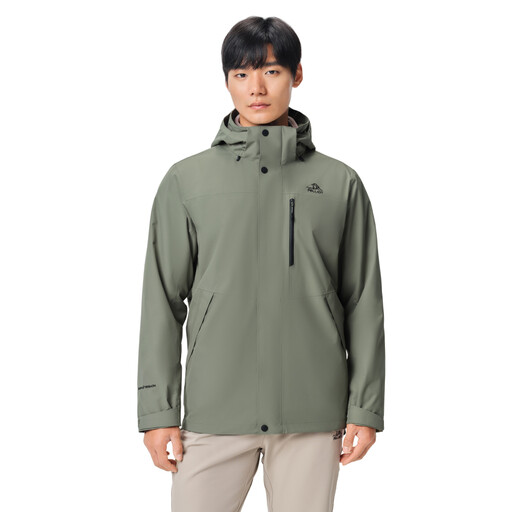
Why it suits this profile: A trekking jacket for campers and walkers who want to use a windproof outer layer and warm inner layer separately.
The jacket is not described solely as a padded winter jacket: according to the product information, the outer layer and liner can also be worn separately.
Stated hydrostatic head of 35,900 mm H₂O, breathability of 16,000 g/m²/24 hours and durability of 40,000+ cycles.
We have put together a complete, up-to-date list of products that fully meet these strict selection criteria and the applicable European safety regulations.
Yes, provided the outer layer offers sufficient protection from rain and wind and the fit leaves room for normal clothing. For cycling, an adjustable hood, a longer back and snug-fitting cuffs are practical features. Check each model to make sure these details are actually listed.
Its lifespan depends on use, washing, storage and exposure to abrasion. A durable outer fabric can help with intensive use, but no product specification guarantees a fixed lifespan. Wash the jacket according to the care label and treat the outer layer with care. Over time, pay particular attention to the seams, zips and water-repellent performance.
No. Breathability and waterproofing are different properties. According to the product description, a membrane can combine both functions, but performance also depends on pressure, moisture, ventilation and care. Therefore, look for separate hydrostatic head and MVTR figures rather than relying on one general marketing term.
