
Vandaag of morgen in huis

Kwaliteit gegarandeerd

Welkomstaanbiedingen ontgrendelen: GRATIS bezorging | Tot 80% korting | Gratis 30 dagen JoyPlus-proefperiode
Download de app
A watermelon drink may seem straightforward to choose at first glance. Yet fruit drinks, soft drinks, juices and alcohol-free options can differ significantly in ingredients, sweetness and packaging. If you focus only on the image or terms such as “natural”, you may end up with a drink that does not suit your intended use.
This buying guide helps you compare watermelon drinks based on verifiable information on the label. Whether you are looking for a Japanese watermelon soft drink, want to try a Korean watermelon drink or need a multipack for home, pay particular attention to the following points.
A watermelon drink may consist primarily of water, sugar, flavouring and a small amount of juice. Therefore, check the ingredients list and look for the percentage of watermelon juice or concentrate. A product containing 99% watermelon juice has a different composition from a soft drink made with natural flavourings only.
Also pay attention to blends. For example, a drink containing watermelon and pineapple may consist of 94% watermelon juice and 5% pineapple juice. This creates a fruitier profile, but tastes different from pure watermelon juice.
A 200 or 230 ml bottle is convenient for one person, but a multipack may offer a lower price per litre. Always compare the price per litre, not just the price per package. For parties, keeping drinks in stock at home or serving a family, boxes containing 12 or 24 units are often more practical.
Check the nutritional information per 100 ml. A drink may be low in fat while still containing a relatively high amount of sugar. For example, Hatakosen Ramune Watermelon lists 10.2 grams of carbohydrates and 10.2 grams of sugar per 100 ml. Mela Original contains 7.6 grams of sugar per 100 ml.
Product claims should always be considered alongside the label. According to Mela’s product information, its variants contain vitamin C; this is a manufacturer’s statement and not personal health advice.
Use the following classification as a practical starting point:
The term “Asian watermelon drink” mainly indicates the product’s origin or style. Always check the specific product details.
If you want a sparkling drink, choose a carbonated product such as ramune or an ade. Hatakosen Ramune comes in a glass bottle with a traditional marble stopper. This makes the Japanese watermelon soft drink a good choice for a themed party or any occasion where the packaging is part of the experience.
If you prefer a smooth drink, choose a fruit drink without carbonation. According to the product information, Kato Watermelon Juice with Nata de Coco contains 25% watermelon juice and 15% nata de coco. The pieces create a chewy mouthfeel that may not appeal to everyone.
Most varieties are best served chilled. For products containing sediment or fruit pieces, shake before use if instructed on the label.
Pay attention to the balance between single-serve and bulk packaging:
Store unopened drinks according to the packaging instructions, usually in a cool place away from direct sunlight. After opening, many products should be refrigerated and consumed within the stated period. Before consuming, check that the seal is intact and read the current information on the packaging.
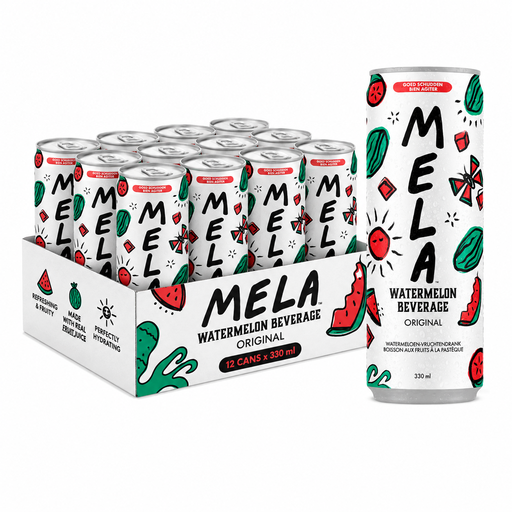
Why it’s a good fit: A multipack for anyone who regularly wants to serve a fruity watermelon drink at home without collecting individual cans.
The juice percentage is clearly stated: 99% watermelon juice. This means you do not have to rely solely on the front of the packaging.
12 × 330 ml, with 30 kcal and 7.6 g of sugar per 100 ml according to the product information.
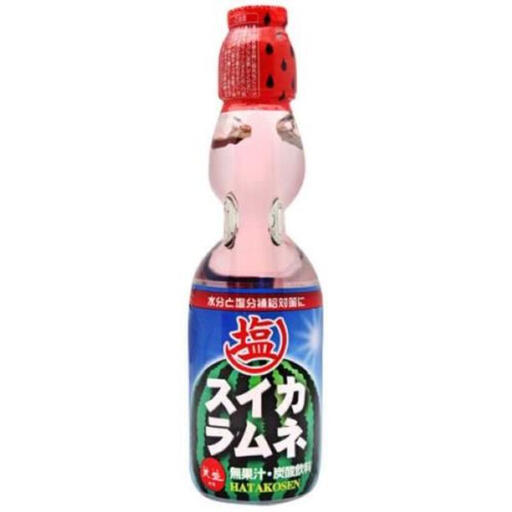
Why it’s a good fit: For anyone looking for a Japanese watermelon soft drink with fizz and a distinctive glass bottle for parties or an anime-themed gathering.
The product information identifies it as a sparkling soft drink, not fruit juice. The ingredients list carbonated water, sugar and natural flavourings.
Compact 200 ml serving and a glass bottle with a marble stopper; serving chilled is recommended.
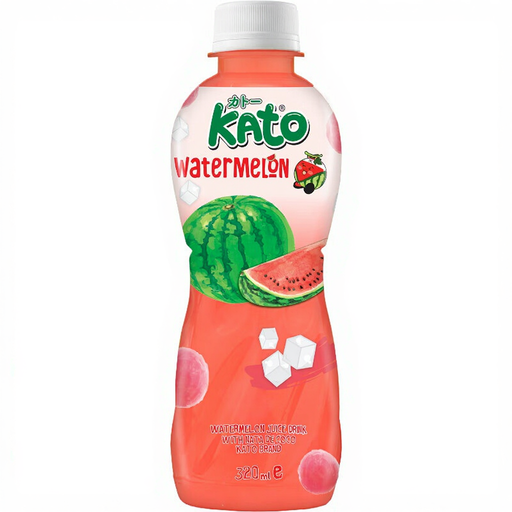
Why it’s a good fit: A great choice for anyone who appreciates coconut jelly pieces alongside a fruity flavour.
The juice percentage and nata de coco content are stated: 25% and 15%, respectively. The texture is therefore clear in advance.
320 ml per bottle and suitable for chilled serving; a 24-pack is also available.
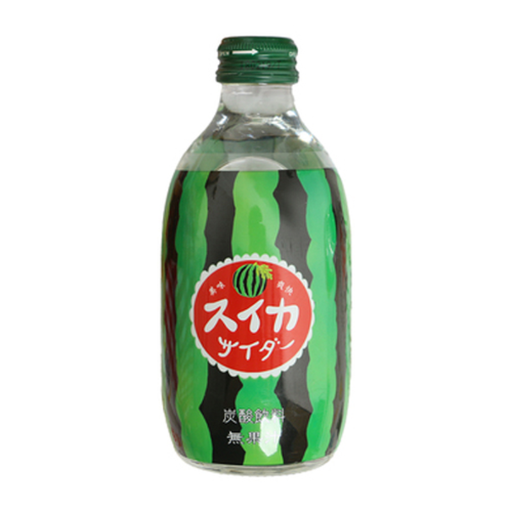
Why it’s a good fit: For anyone looking for an alcohol-free watermelon drink for home, work, on the go or a social gathering.
The product title states 0.0%. Nevertheless, always check the current label upon delivery, as packaging and product information may change.
300 ml per bottle, with 31 kcal and 7.5 g of sugar per 100 ml according to the product information.
Browse the latest watermelon selection and compare fruit drinks, soft drinks, multipacks and international varieties based on size, flavour and composition.
No. Watermelon juice or a fruit drink may contain a high percentage of watermelon juice, whereas watermelon soft drinks often contain carbonation, sugar and flavourings. Check the juice percentage and ingredients list to see the difference.
That depends on the occasion. A 12 × 330 ml multipack is practical when serving several guests. For a more eye-catching presentation, Japanese ramune in a glass bottle can be an appealing choice. If you want an alcohol-free option, explicitly check for 0.0% in the product information and on the packaging.
Store an opened bottle or package in the refrigerator and use it within the period stated on the label. Shake a fruit drink if instructed, and do not consume it if the seal was damaged before opening.
