
Vandaag of morgen in huis

Kwaliteit gegarandeerd

Welkomstaanbiedingen ontgrendelen: GRATIS bezorging | Tot 80% korting | Gratis 30 dagen JoyPlus-proefperiode
Download de app
Would you like to buy watermelon drinks, but mainly see brightly coloured cans, Japanese bottles and multipacks with varying descriptions? It can be difficult to compare flavour, size and ingredients fairly. For example, a product labelled “real fruit” may contain only a small percentage of fruit juice. A larger box does not automatically mean better value either.
This practical buying guide compares Asian watermelon drinks, Japanese soft drinks, Korean soft drinks and melon drinks based on clear, verifiable criteria.
A watermelon soft drink may consist mainly of carbonated water, sugar and flavouring. There is nothing wrong with that, but the taste and texture differ from a drink containing fruit juice. Always check the ingredients list and look for watermelon, watermelon juice or juice concentrate.
For drinks containing nata de coco, also check the percentage of coconut jelly. This determines how many pieces you will actually find in the bottle.
A box containing 24 or 30 bottles is convenient for a party, office or catering business, but it requires more storage space. Compare the price per 100 ml rather than just the total price. A watermelon drink offer may look attractive, but a smaller format can make it less economical.
Ramune is often sold in a glass bottle with a marble mechanism. This is part of the drinking experience, but it requires care when opening and makes the bottle less suitable for young children or carrying in a bag.
In creamy soft drinks such as Milkis, milk and soya are listed in the allergen information. Always check the physical label, as the packaging may contain more or more up-to-date information than an online product page.
Formats of 190 to 345 ml are practical for one person. For example, consider a 300 ml watermelon drink for a single serving. For a birthday, barbecue or Asian meal, multipacks are more appealing:
Pay attention to the difference between glass bottles, cans, plastic bottles and pouches. A pouch is lightweight and easy to take with you; glass has a traditional feel, but is heavier and more fragile.
A sparkling fruit drink contains carbonation and is usually served chilled. Ramune watermelon has a sweet flavour with bubbles and the distinctive Japanese marble bottle. A juice drink such as Mela or Kato has a different mouthfeel and may contain fruit pulp or nata de coco.
Check the label for:
The nutritional value per 100 ml makes comparisons easier. The products mentioned range from approximately 24 to 61 kcal per 100 ml. Check the current packaging before making your choice.
Watermelon soft drinks usually have a sweet, fruity profile. Melon soda and muskmelon varieties may taste more aromatic and full-bodied than a drink made with red watermelon. Milkis combines melon with a creamy soft drink base, while nata de coco provides a soft, chewy texture.
Sparkling drinks often pair well with spicy food. For a picnic or lunch, a resealable bottle or pouch is more convenient than a glass ramune bottle. For a party, you can combine different flavours, such as watermelon, muskmelon and a milky Korean soft drink.
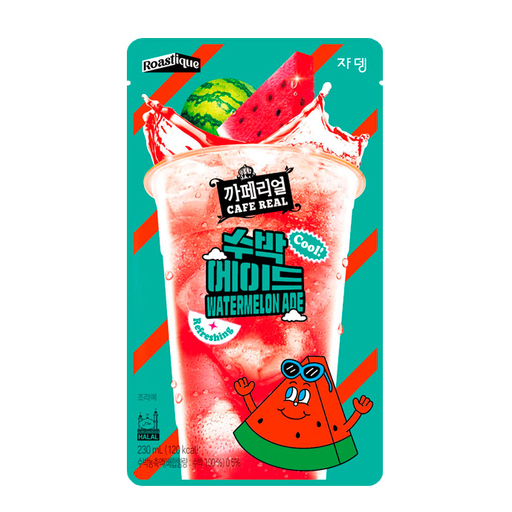
Why it suits this profile: The 230 ml can is a manageable serving for anyone who wants to try watermelon flavour without ordering a large multipack straight away.
The product is described as containing concentrated watermelon juice and carbonation. Check the current ingredients list and nutritional information on the can before buying.
230 ml, sparkling, ready to drink and, according to the product information, approximately 24 kcal per 100 ml.
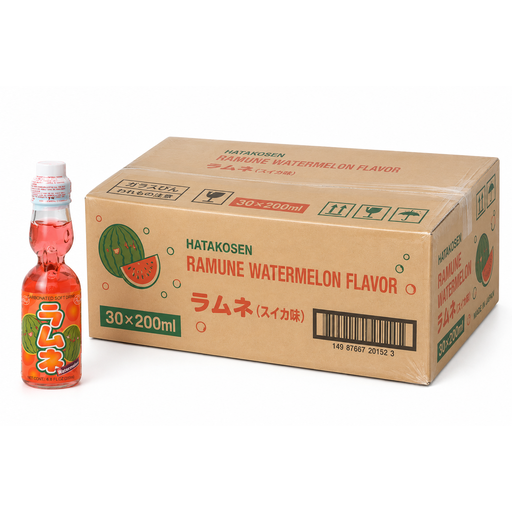
Why it suits this profile: This Japanese ramune is aimed at fans of its distinctive bottle, sparkling watermelon flavour and presentation suited to parties.
The multipack size and contents are clearly stated: 30 glass bottles of 200 ml. This allows you to plan your stock in advance based on the number of guests.
Japanese glass marble bottle, 30 × 200 ml and, according to the product information, 41 kcal and 10.2 g of sugar per 100 ml.
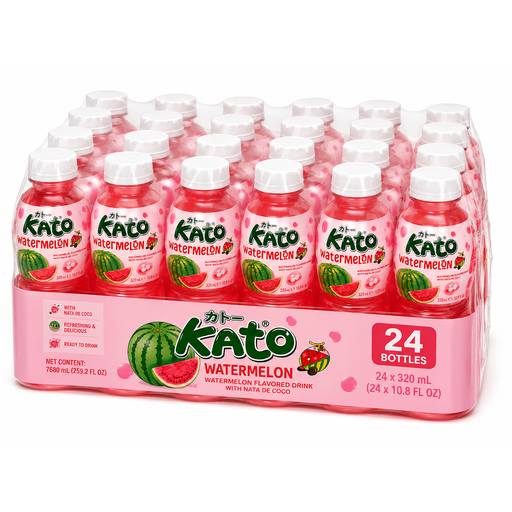
Why it suits this profile: The 24-pack is practical for managing stock, larger gatherings or anyone who regularly wants to serve a drink containing nata de coco.
The product information states that there are 24 bottles of 320 ml and that the drink contains watermelon juice with nata de coco. Check the allergens, sugar content and best-before date on the label.
320 ml per bottle, 24 units per box and pieces of nata de coco for a different texture from an ordinary soft drink.
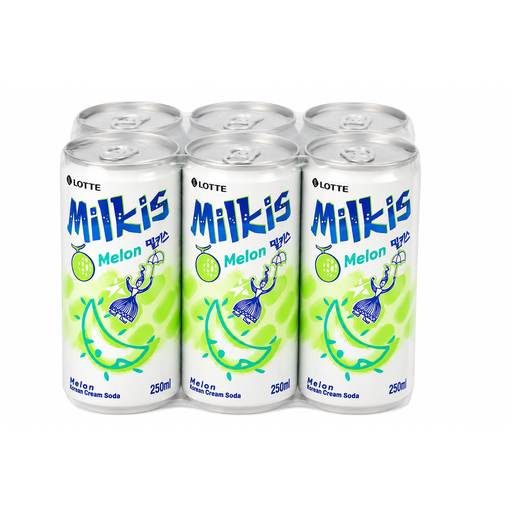
Why it suits this profile: The combination of carbonation, milk powder and melon flavour differs from standard watermelon soft drinks and is ideal for curious fans of Korean flavours.
The product information explicitly mentions milk and soya. This helps prevent an unsuitable purchase for people who need to avoid these allergens.
6 × 250 ml, Korean origin and a creamy melon flavour with carbonation. According to the product information, the drink contains 50 kcal per 100 ml.
We have put together a complete, up-to-date list of products that fully meet these strict selection criteria and the applicable European safety regulations.
Choose a multipack with small servings, such as 30 × 200 ml ramune or 24 × 320 ml nata de coco drinks. This allows guests to open an individual bottle without having to share a large bottle. Check in advance that you have enough fridge space and that glass bottles are practical for the venue.
Always follow the instructions on the packaging. Many products need to be refrigerated after opening and consumed within the stated period. Close the bottle securely and do not consume any product whose seal was damaged before opening. The best-before date applies to an unopened product that has been stored according to the storage instructions.
No. Watermelon juice or a fruit drink contains juice or juice concentrate, whereas a watermelon-flavoured soft drink may consist mainly of carbonated water, sugar and flavouring. For example, Mela states that it contains a high proportion of watermelon juice in the product description; other drinks mainly list flavouring. Always check the ingredients list and nutritional table on the current packaging.
