
Livraison le jour même et le lendemain

Qualité garantie

Débloquez vos offres de bienvenue: Livraison GRATUITE | Jusqu'à -80 % | 30 jours d'essai gratuits à JoyPlus
Téléchargez l'application
A watermelon drink may seem straightforward to choose at first glance. However, watermelon fizzy drinks, watermelon juice and Asian soft drinks can vary considerably in flavour, sugar content, size and packaging. A sweet fruit drink is not the same as sparkling water with flavouring, while a Japanese watermelon drink is often as much about the packaging and drinking experience as the taste.
If you only go by the front of a can, you may end up buying a product that does not meet your expectations. Pay particular attention to the ingredients list, nutritional values and volume per pack.
A large watermelon on the label does not automatically mean that the drink contains lots of watermelon juice. Some drinks are mainly made up of water, sugar, carbon dioxide and flavouring. Other products state a specific fruit juice percentage, such as Mela, which according to the product information contains 99% watermelon juice.
Always check:
Marketing terms such as ‘light’, ‘fresh’ or ‘summery’ do not give you a complete picture of the nutritional value. Compare the sugar content per 100 ml, rather than just per bottle or can. After all, a 330 ml pack contains more sugar than the same drink in a 190 ml can, even when the value per 100 ml is identical.
For example, Hatakosen Ramune Watermelon lists 10.2 grams of sugar per 100 ml, while Spa Touch Watermelon Kiwi contains 0 grams of sugar and 0 kcal per 100 ml according to the product information. These are two different types of drink, with different flavour expectations.
A 200 ml glass Ramune bottle is fun for a party or with an Asian meal, but less practical in a sports bag. A multipack of 24 or 30 is handy for an event, but less suitable if you want to try a flavour first. So look at:
A watermelon drink can belong to several different categories:
When a brand makes a claim about flavour, natural ingredients or a particular effect, the property is linked to the product according to the product information provided by the brand or supplier. Always check the current label before buying, as ingredients and packaging may change.
Use the nutrition table as a consistent basis for comparison. The values vary across the range:
These figures do not tell you which drink tastes best. They do, however, help you choose an option that suits your preference for sweetness and the occasion.
A creamy melon drink may contain milk or soya. For example, LOTTE Milkis Melon lists milk and soya as allergens. Many clear soft drinks, on the other hand, state that they contain none of the 14 common EU allergens. Even so, always read the packaging, particularly if you have food allergies or intolerances.
Also look out for terms such as:
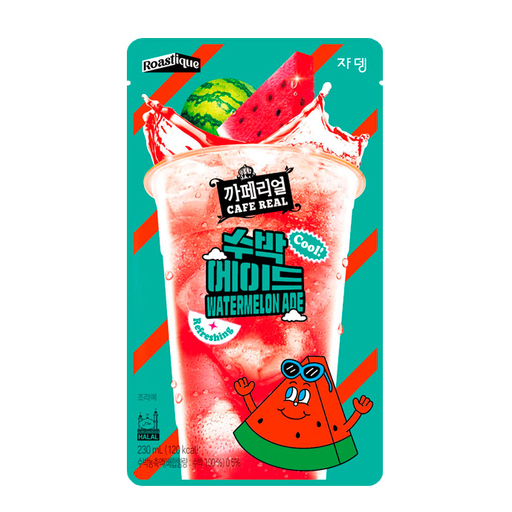
Why it suits this profile: The 230 ml can is a manageable portion for enjoying at home, taking in a lunchbox or trying as part of a small tasting.
The product information mentions concentrated watermelon juice and a volume of 230 ml, making the size and type of drink clearer than with an unspecified soft drink.
230 ml per can, carbonation and approximately 24 kcal per 100 ml according to the product information.
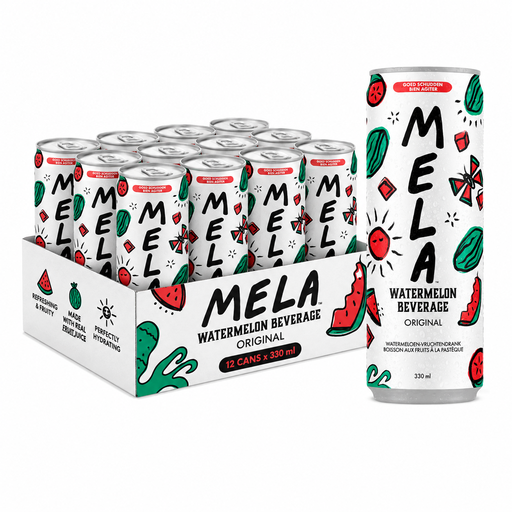
Why it suits this profile: This box is aimed at shoppers who want to stock up on a fruit-focused drink for home, entertaining or several drinking occasions.
The product description states 99% watermelon juice and 12 packs of 330 ml. This makes the juice percentage verifiable rather than based solely on the image.
12 × 330 ml, 30 kcal per 100 ml and a recipe containing 99% watermelon juice according to the product information.
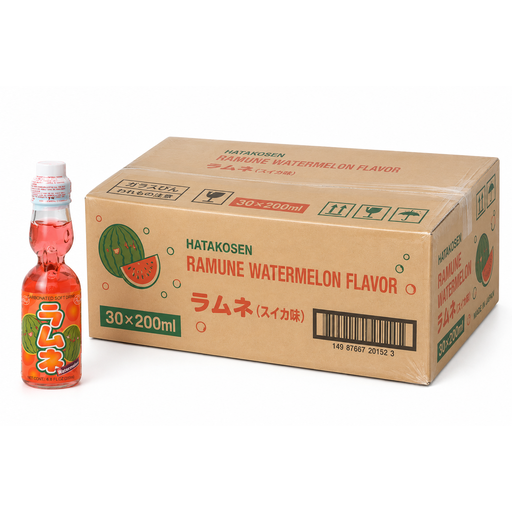
Why it suits this profile: The large box is ideal for party organisers, hospitality-style stock or fans of Japanese soft drinks.
The packaging clearly states that it contains 30 bottles of 200 ml. This lets you assess the total stock and individual size in advance.
Japanese Ramune bottle with marble seal, 200 ml per bottle and 41 kcal per 100 ml according to the product information.
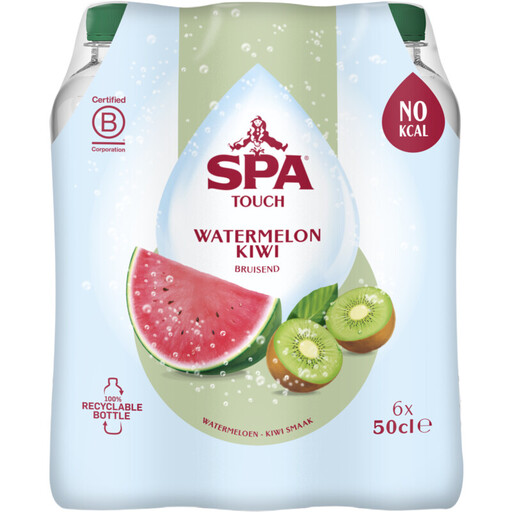
Why it suits this profile: This option is suitable for anyone looking for sparkling water with fruit flavour and no sugar or sweeteners, according to the product information.
The nutritional values list 0 grams of sugar and 0 kcal per 100 ml. This makes the difference from standard watermelon soda clear in advance.
6 bottles of 50 cl, carbonated mineral water and watermelon–kiwi flavouring.
We have put together a complete, up-to-date list of products that fully meet these strict selection criteria and the applicable European safety regulations.
Choose a small can or bottle when you want to compare several flavours. A multipack is more practical for a birthday, barbecue or cupboard stock-up. Serve carbonated drinks chilled and open glass Ramune bottles carefully, as the marble seal works differently from a standard crown cap.
When your order arrives, check the packaging, seal and best-before date. Store unopened drinks in a cool, dry place away from direct sunlight and excessive heat. Once opened, many products should be refrigerated and consumed within the period stated on the label.
No. Watermelon juice or a watermelon fruit drink contains juice or concentrate. A watermelon soft drink may consist mainly of carbonated water, sugar and flavouring. Check the juice percentage and ingredients list to tell the difference.
According to the product information, Spa Touch Watermelon Kiwi contains 0 grams of sugar and 0 kcal per 100 ml. It is sparkling mineral water with watermelon and kiwi flavour, not a sweet fruit drink. Check the label again when buying, as product formulations can change.
This varies by product. Store an opened bottle or can in the fridge and follow the instructions on the packaging. With carbonated drinks, the fizz usually decreases after opening. Store an unopened product according to the stated best-before date and storage conditions.
