
Vandaag of morgen in huis

Kwaliteit gegarandeerd

Welkomstaanbiedingen ontgrendelen: GRATIS bezorging | Tot 80% korting | Gratis 30 dagen JoyPlus-proefperiode
Download de app
A watermelon drink may seem easy to choose at first glance. However, watermelon juice, sparkling watermelon drinks and Asian soft drinks can differ considerably in composition, size and drinking experience. For example, a small can may contain mainly flavouring and sugar, while a nata de coco drink adds pieces of coconut jelly.
If you want to order online with confidence, it is worth looking beyond the image and the word “fruity”. Below, you’ll find the main pitfalls to watch out for, key product specifications and popular choices for different occasions.
“Watermelon”, “melon” or “watermelon” on the label does not automatically mean that the product is mostly fruit juice. Always check the ingredients list. For example, Jardin Cafe Real Watermelon Ade lists concentrated watermelon juice. KATO Watermelon Juice with Nata de Coco contains 25% watermelon juice, along with 15% nata de coco.
A product with a prominent fruit flavour may also consist mainly of water, sugar, carbon dioxide and flavouring. That is not necessarily a problem, but it does create a different drinking experience from watermelon juice.
Marketing copy often uses words such as light, fresh or summery. For a fair comparison, check the nutritional information, preferably per 100 ml. For example, according to the product information provided, LOTTE Milkis Melon contains 12 grams of sugar per 100 ml, while the figure may be lower or higher for other drinks.
Also compare the pack size. A 320 ml bottle naturally contains more drink than a 190 or 230 ml can, even if the values per 100 ml are the same.
A Japanese soft drink such as ramune is often supplied in a glass bottle sealed with a marble. This makes opening it part of the experience, but glass is heavier and more fragile than a can or pouch. It may be ideal for a party, anime event or gift, but a pouch or can is often more convenient for a school bag or picnic.
Also check the shipping packaging, best-before date and storage instructions. According to the product information, the actual packaging may contain more or different information than the online product page.
Pay attention to the difference between:
If you are looking for an energy drink, pay extra attention to the caffeine content. According to the product information, Red Bull The Red Edition contains 32 mg of caffeine per 100 ml. The seller states that this drink is not recommended for children or pregnant or breastfeeding women.
The most popular small sizes range from around 190 to 250 ml. This is suitable for one serving and helps limit waste after opening. A 320 to 370 ml bottle is more appealing when you want a larger serving or are serving a drink with a meal.
For families, catering, offices or parties, a multipack may offer better value and be more practical. Check the total volume, the number of bottles or cans and the storage space required. A 12-pack of watermelon drinks is not automatically cheaper per litre; calculate the price per 100 ml or per litre.
Always check the label, even when the online information states that a product contains none of the 14 major EU allergens. For example, LOTTE Milkis Melon lists milk and soya as allergens. With products containing nata de coco, the ingredients and precautionary allergen information may also vary between packs.
Claims about vitamins, hydration or sports use should not be confused with a medical effect. Use the nutritional information and ingredients list as your starting point, and follow the information on the packaging.
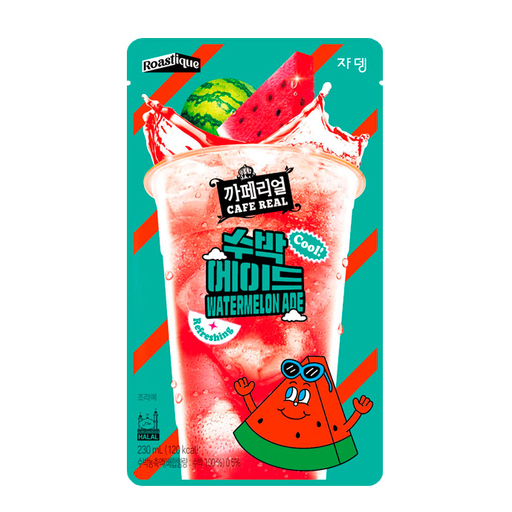
Why it suits this profile: The 230 ml can is a manageable size for anyone who wants to try a watermelon ade without immediately buying a multipack.
The product information lists watermelon juice from concentrate and nutritional values. This makes it easier to assess what is inside than by relying on the flavour name alone.
230 ml, carbonated and with an ingredients list that includes concentrated watermelon juice. Suitable for drinking chilled.
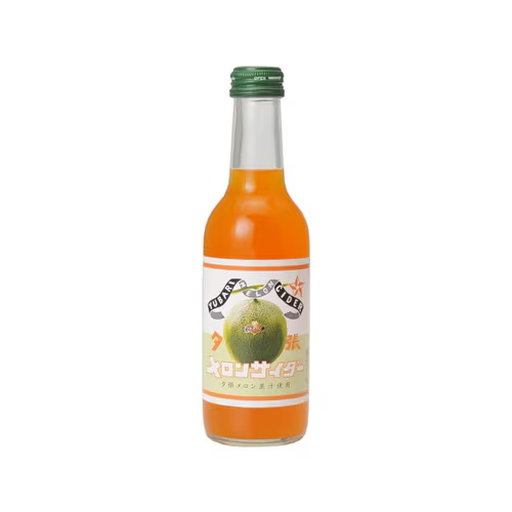
Why it suits this profile: This Japanese soft drink is aimed at those who appreciate a distinctive Yubari melon flavour and a thoughtfully sized individual serving.
The product details specify 1% Yubari melon juice and carbonation. This makes it clear that a distinctive flavour does not necessarily mean a high fruit content.
245 ml, 0.0% alcohol according to the product information, and a sparkling cider-style drink with melon flavour.
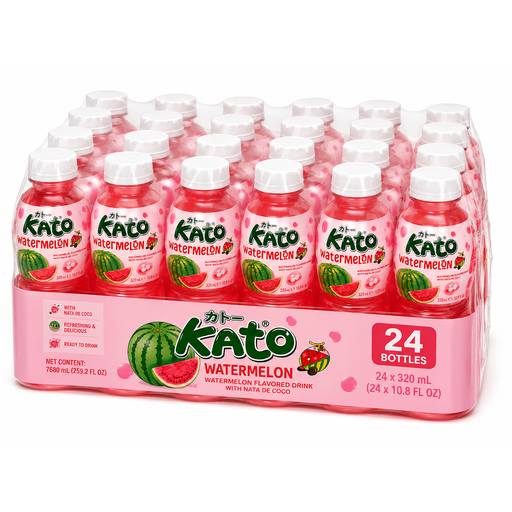
Why it suits this profile: The box of 24 320 ml bottles is intended for stocking up, business purchases, parties or nata de coco enthusiasts.
The packaging specifies the number of bottles, the volume and the inclusion of nata de coco. This makes the quantity you are buying clear in advance.
24 bottles, 320 ml per bottle, watermelon juice and nata de coco. The product information lists 24 kcal and 13 grams of sugar per 100 ml.
We have put together a complete, up-to-date list of products that fully meet these strict selection criteria and the applicable European safety regulations.
Check the following before completing your purchase:
No. Watermelon juice or a fruit drink may contain juice or juice concentrate, while a watermelon soft drink often also contains carbon dioxide, sugar, acidity regulators and flavouring. Check the juice percentage and ingredients list to see the difference.
For a party, you could choose individual ramune bottles, small cans or a multipack. Hatakosen Ramune comes in a 200 ml bottle with a marble seal. For larger quantities, KATO with 24 320 ml bottles is more practical, but make sure you have enough storage space.
Place an opened drink in the fridge and seal the bottle or packaging securely. Carbonation will gradually decrease over time. Always follow the best-before and storage advice on the current packaging.
