
Vandaag of morgen in huis

Kwaliteit gegarandeerd

Welkomstaanbiedingen ontgrendelen: GRATIS bezorging | Tot 80% korting | Gratis 30 dagen JoyPlus-proefperiode
Download de app
Choosing a watermelon drink might seem straightforward, but the options vary widely. Whether you're after a sweet watermelon fizzy drink, a Japanese ramune, a Korean soft drink, or a watermelon juice, factors like flavour, sugar content, packaging and alcohol percentage matter far more than flashy labels or terms like “real fruit”.
For British shoppers, there are three common pitfalls to watch out for:
First, look at the order of ingredients. Ingredients are typically listed from largest to smallest quantity. If water comes first and only a small percentage of fruit juice follows, you’re looking at a fruit-flavoured soft drink, not pure watermelon juice.
Also look out for:
With a drink containing nata de coco, such as Mogu Mogu or KATO, you’re also buying a different drinking experience: alongside the liquid, there are soft chewy pieces in the bottle.
A fizzy watermelon drink contains carbon dioxide and is often a good fit for parties, barbecues or Asian meals. Ramune usually has a sweet, refreshing taste and comes in a distinctive glass bottle. Hatakosen Melon Ramune is available in 200 ml bottles, and the ingredients include carbonated water, sugar and glucose-fructose syrup.
An ade can also be lightly sparkling. Jardin Cafe Real Watermelon Ade is made with concentrated watermelon juice and carbon dioxide, according to the product information. If you prefer a still drink, look for a non-carbonated fruit drink like Tymbark Apple Watermelon Drink.
A serving of 190 to 250 ml is practical for individual use. Larger bottles or multipacks are more convenient for a birthday, picnic or stocking up the cupboard. Always compare the volume before looking at the price per pack.
For an alcohol-free watermelon drink, check that the alcohol percentage is clearly stated on the label. Tomomasu Yubari Melon Cider states an alcohol percentage of 0.0%. For Bacardi Breezer Watermelon, the product information says it’s a flavoured alcoholic drink, but the exact alcohol percentage isn’t listed there. So always check the actual packaging and be mindful of age restrictions and responsible drinking.
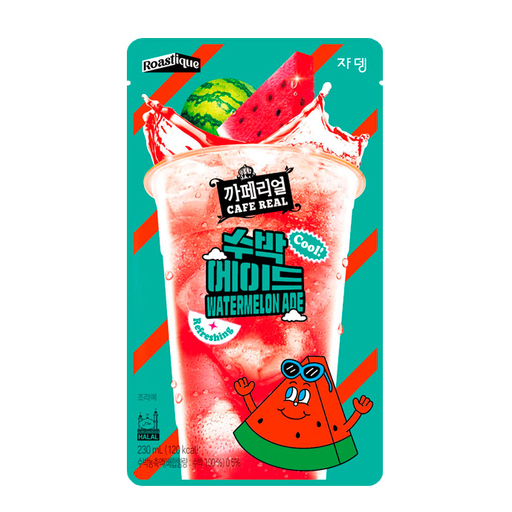
Why this fits the profile: The 230 ml can is a straightforward introduction to watermelon ade. According to the product information, the drink contains around 24 kcal per 100 ml.
The product information lists fruit juice, carbon dioxide and nutritional values, so you don’t have to rely solely on the front of the can.
230 ml, ready to drink, lightly sparkling and with no listed allergens from the 14 major EU allergens.
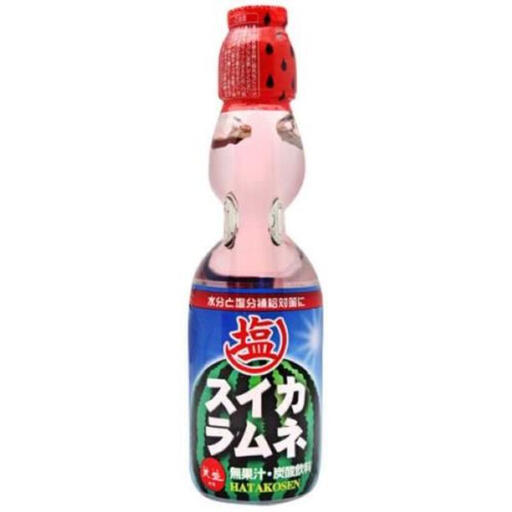
Why this fits the profile: This Japanese ramune combines a recognisable bottle with a sweet watermelon flavour and fizz. It’s ideal if presentation and the drinking experience matter most to you.
The volume is clearly 200 ml, and the product information mentions the traditional glass bottle with a marble closure, so you know exactly what you’re ordering.
Japanese style, 200 ml per bottle, carbonated and, according to the product information, free from artificial colourings.
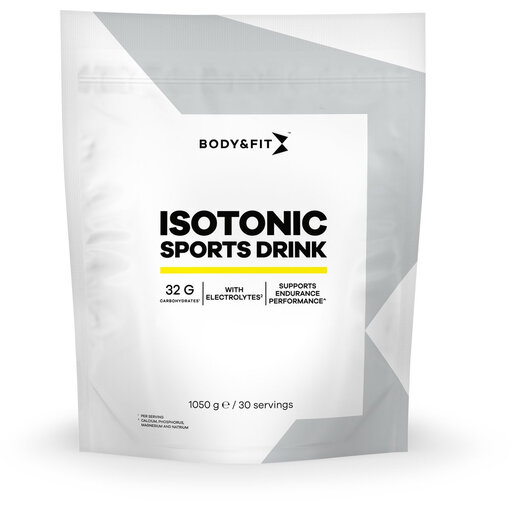
Why this fits the profile: This isn’t a ready-to-drink soft drink, but a powder for sports drinks. The 1.05 kg pack is designed for users who want to mix a drink regularly.
The mixing ratio is stated: one 35 g scoop with 500 ml of water. This lets you control the preparation and portion size yourself.
Large pack, watermelon flavour and clear preparation instructions for use during sport or on the go.
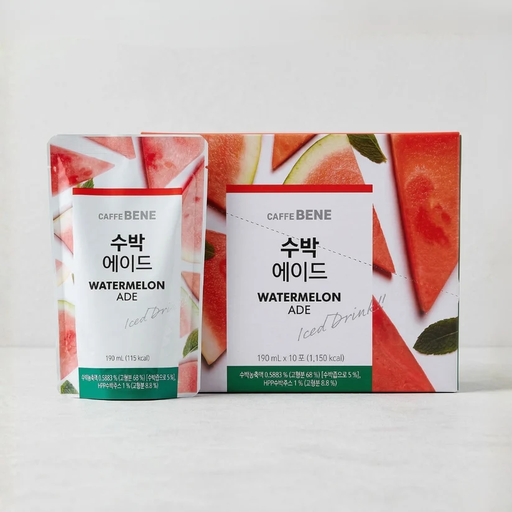
Why this fits the profile: The multipack contains ten 190 ml servings. That’s practical for a party, lunchboxes or keeping a stock of chilled drinks.
The packaging and portion size are clear upfront. Just compare the stated 13.7 g of sugar per 100 ml with your own preference.
Ten individual bottles, Korean origin and a sweet watermelon flavour for multiple drinking occasions.
We’ve put together a full, up-to-date list of products that fully meet these strict selection criteria and current European safety regulations.
No. Watermelon juice contains a certain proportion of fruit juice, whereas a watermelon soft drink is often mostly water, sugar, carbon dioxide and flavourings. Always check the juice percentage on the label. KATO Watermelon Juice with Nata de Coco, for example, states 25% watermelon juice and 15% nata de coco.
Choose a drink clearly labelled as alcohol-free and check the ingredients, sugar content and allergens. A small pack size, such as 190, 200 or 230 ml, also prevents an opened bottle from sitting around for too long. With Milkis Melon, be aware that it contains milk and soya; this drink is not suitable for anyone with an allergy to those ingredients.
Store an opened drink in the fridge and consume it according to the instructions on the packaging. Seal a bottle or can tightly where possible. Always check the current best-before date, storage instructions and ingredients on the packaging with every order, as product information online may differ from the physical label.
