
Vandaag of morgen in huis

Kwaliteit gegarandeerd

Welkomstaanbiedingen ontgrendelen: GRATIS bezorging | Tot 80% korting | Gratis 30 dagen JoyPlus-proefperiode
Download de app
A watermelon drink may seem simple to choose at first glance. However, these drinks can vary considerably in ingredients, sweetness, fizz, packaging and volume. A Japanese watermelon soda is a very different experience from a Korean fruit drink or watermelon juice with nata de coco pieces.
Most disappointing purchases usually come down to three common pitfalls:
Watermelon soft drink, ade and juice are not the same. An ade is generally a sweet fruit drink, often made with watermelon juice, acidity regulators and sometimes carbonation. With watermelon juice or a fruit drink, it is important to check how much juice has actually been added.
The products available show clear differences:
A higher juice percentage may provide a more pronounced fruit flavour, but on its own it says nothing about personal preference. If you are looking for a soft, sweet melon flavour, a melon soda or cream soda may be more appealing.
If you want a refreshing fizz, choose a carbonated drink such as watermelon ramune, Jarritos Watermelon or a cider. If you prefer a smoother drink, look for a still fruit drink such as Tymbark.
Nata de coco is another point to consider. This soft coconut jelly is found in some Asian soft drinks and creates pieces that you can taste as you drink. This makes the drink different from a standard melon soft drink. For children, check that the texture is suitable and drink slowly, as the bottle may contain solid pieces.
A can of 190 to 250 ml is suitable for one serving. For a party or food cupboard, a multipack may be better value and more practical. In addition to the volume, look out for:
For consumers with an allergy, the physical packaging remains the definitive source of information. According to the supplier, online product information may be less comprehensive than the current label.
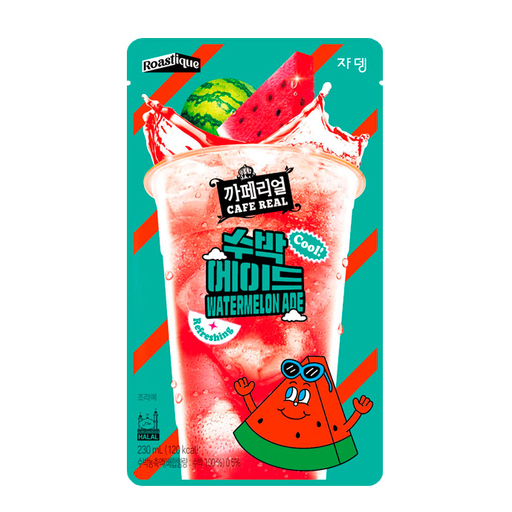
Why it suits this profile: The 230 ml can is a manageable serving for anyone trying a watermelon drink for the first time. It is ready to drink and, according to the product information, lightly carbonated.
The nutritional information states approximately 24 kcal per 100 ml. However, check the current packaging before ordering.
230 ml can, watermelon juice from concentrate and carbonation. Suitable for enjoying at home, on the go or at a picnic.
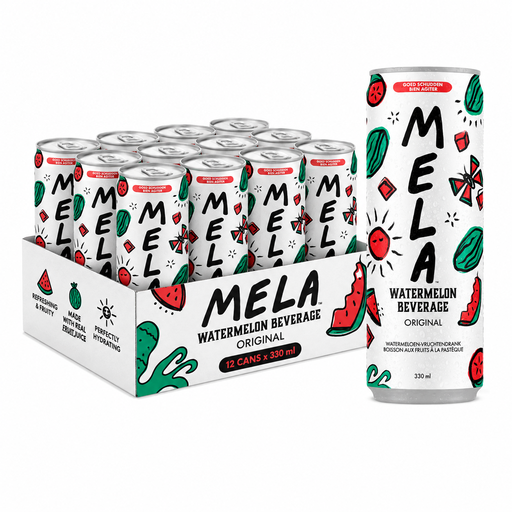
Why it suits this profile: This multipack is aimed at enthusiasts who want a pronounced watermelon flavour and a supply for home. According to the product description, the drink contains 99% watermelon juice.
The stated juice percentage makes the ingredients easier to compare than simply relying on a fruit image on the packaging.
12 cans of 330 ml, 30 kcal per 100 ml according to the product information, and suitable for serving chilled.
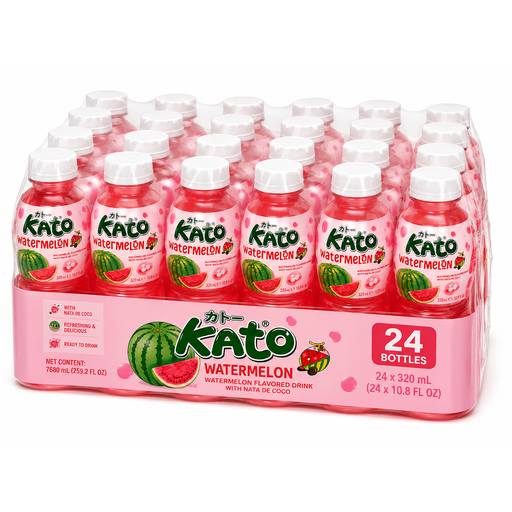
Why it suits this profile: The box of 24 bottles is practical for parties, hospitality-style stock or families looking for a tropical fruit drink with extra texture.
The volume and pack size are clearly stated. Bear in mind that it contains solid nata de coco pieces, and check the allergen information.
24 bottles of 320 ml, watermelon juice combined with nata de coco, and suitable for drinking chilled.
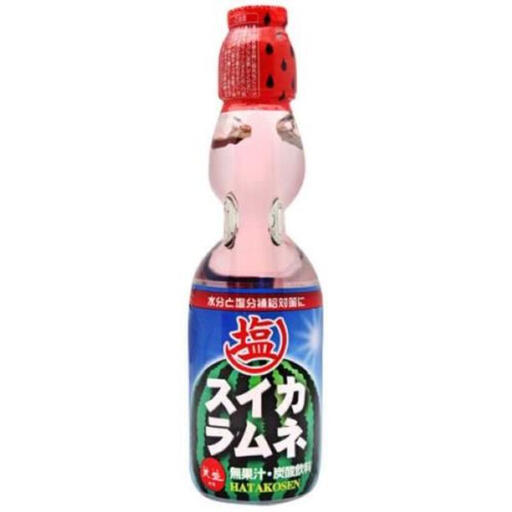
Why it suits this profile: The glass bottle with its marble stopper creates an unmistakable Japanese ramune experience. It is ideal for anime nights, gift hampers and celebratory tables.
This bottle is not chosen for maximum volume, but for its distinctive opening method and drinking experience. You therefore know exactly what you are buying in advance.
200 ml, carbonated and with a sweet watermelon flavour. According to the product information, the drink contains none of the 14 major EU allergens.
We have put together a complete, up-to-date list of products that fully meet these strict selection criteria and the applicable European safety regulations.
An ade is usually a sweet fruit drink made with water, sugar, acidity regulators and watermelon juice. Watermelon soft drink often contains carbonation and is therefore fizzier. Always check the ingredients and nutritional values, as the name alone does not give you the full picture.
For a party, you could choose small cans such as Jardin Cafe Real Watermelon Ade, or eye-catching bottles such as Hatakosen Ramune Watermelon. If you want to serve several guests, multipacks such as Mela or KATO are more practical. Keep carbonated drinks chilled and open them carefully.
First compare the juice percentage, sugars per 100 ml, volume per pack and the presence of carbonation, caffeine, milk, soya or nata de coco. Before drinking, always check the current label, best-before date and storage instructions.
