
Making a single serving
You want to blend straight into a drinking cup in a small kitchen and keep washing-up to a minimum. Philips lists a Blend & Go cup for the HR2670/01; nutribullet lists a 475 ml cup for the Portable NBP003NBL.


If you’re making one glass near a plug socket, a compact blender with a drinking cup is an obvious choice. If you want to blend without being plugged in, a model that you can charge in advance is more practical. For several glasses or if you want to use ice, check the capacity and ice-processing instructions for the exact model. Wattage alone won’t tell you how well a blender handles ice.
You want to blend straight into a drinking cup in a small kitchen and keep washing-up to a minimum. Philips lists a Blend & Go cup for the HR2670/01; nutribullet lists a 475 ml cup for the Portable NBP003NBL.
You want an extra-cold drink and want to check in advance whether the exact model can handle ice. The Consumers' Association describes differences in how the blenders it tested process ice.
You’re making several glasses and comparing successive cupfuls with pouring from a jug. Tefal lists two cups, with capacities of 700 and 400 ml; Braun gives the JB1051BK a liquid working capacity of 1.25 l.
First, decide where you’ll use the blender and how much drink you want to make at a time. Then check how the specific model handles ice and how easy it is to clean.
| What to consider | What should you check? | Who is this important for? |
|---|---|---|
| Compact, single-serving blending | Check whether you can blend in the cup supplied and whether you need a plug socket to use it. | In a small kitchen, I want to make one drink without extra washing-up. Around 37% of consumers mainly want a compact blender for a single serving. |
| Ice and texture | Look for a specific ice function and check the instructions for the permitted quantity. | For a cooler with ice, I want to know what the exact model can handle. For around 29% of consumers, processing ice and achieving the right texture come first. |
| Servings per batch | Compare the capacity of the cups supplied with the stated liquid working capacity of a jug. | If I’m making several glasses, I don’t want to keep refilling. Around 20% of consumers prioritise making more servings at a time. |
| Cleaning | Check which removable parts are dishwasher-safe. | After using it in a shared kitchen, I want to know which parts are easy to clean. Cleaning is the main concern for around 14% of consumers. |
The Consumers' Association says some of the blenders it tested only shaved the ice, while in others the ice melted due to heat from the motor. So the wattage alone won’t predict how the exact model handles ice.
Check the ice function and the instructions for your specific model. Otherwise, use chilled watermelon rather than assuming that every model can handle ice.
A personal cup may mean you have to refill it for several guests; a jug has a different capacity. nutribullet lists a capacity of 475 ml for the Portable NBP003NBL, while Braun gives the JB1051BK a liquid working capacity of 1.25 l.
Decide how many glasses you want to make at a time, then compare the capacity of the exact model.
According to nutribullet, the Portable NBP003NBL has a rechargeable base. To use it without a plug socket, you’ll need to charge the battery beforehand.
Choose a rechargeable model if you want to blend without a plug socket, and remember to charge it in advance. Choose a mains-powered model if you’ll always blend near a plug socket.
The HR2670/01 is a compact, mains-powered option with a Blend & Go cup, suited to anyone who’ll mainly be making individual drinks in a holiday cottage.
The Portable NBP003NBL is designed for a personal serving when you don’t want to use a plug socket while blending.
The Blend Up Essential BL1EHB is a mains-powered model with two cups, suited to anyone making different servings one after another.
The PowerBlend 1 JB1051BK is an option with a jug and a to-go bottle included, if you want to make several glasses.
This selection includes compact blenders with cups and rechargeable models for personal servings, including options for mains use and blending on the go.
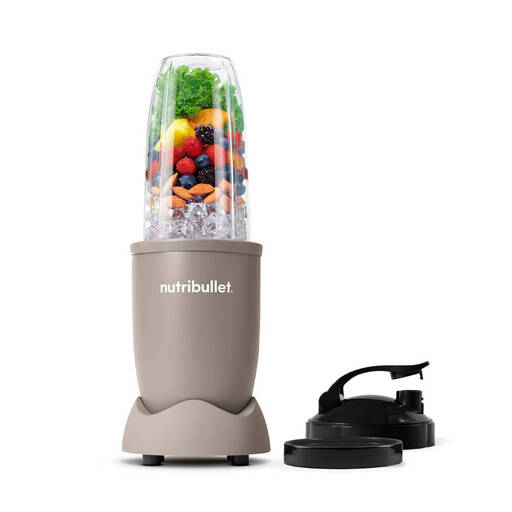 No image available
A 700 ml cup with a to-go lid is an option for a personal serving you want to take with you.
The product name lists 900 W and accessories. The description mentions ice cubes as an ingredient; check this model’s instructions before adding ice.
 No image available
This rechargeable model is designed for blending without a plug socket while you use it; charge the battery beforehand.
The cup holds 475 ml and has a drinking lid. The description mentions USB-C charging; you’ll need to make successive batches for larger quantities.
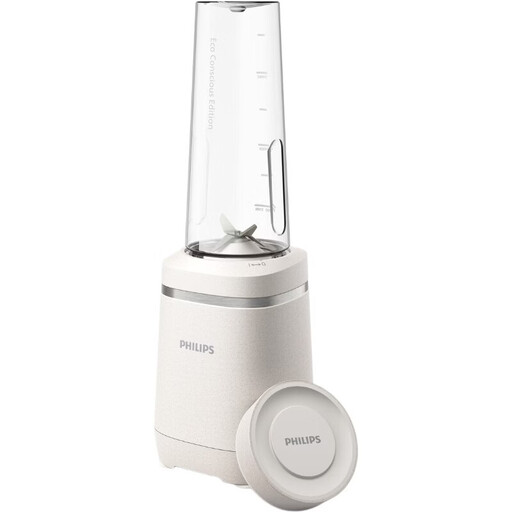 No image available
The 600 ml tumbler is designed for personal servings; this model runs on mains power.
The product name lists 350 W. The description mentions an ice-crush function and dishwasher-safe removable parts; check the instructions for permitted ice preparation and to see which parts can go in the dishwasher.
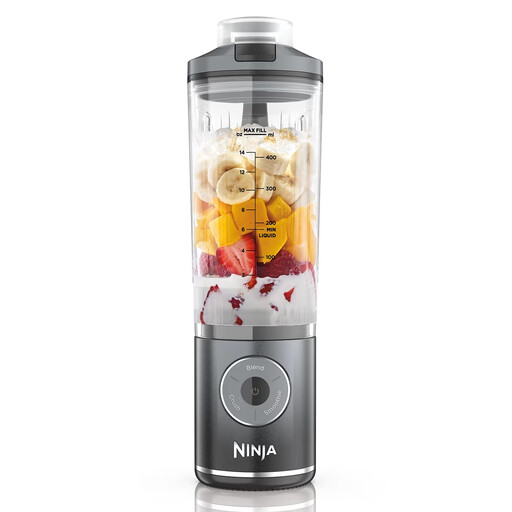 No image available
This rechargeable blender is designed for blending without a plug socket while you use it; the description mentions USB charging.
Two 530 ml cups are listed. The product description doesn’t mention a specific ice function, so check the instructions before adding ice.
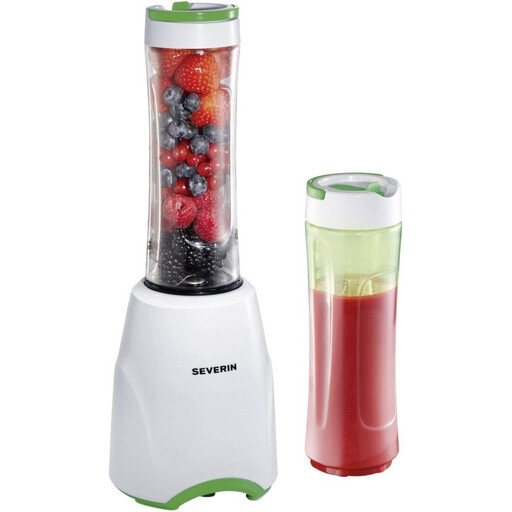 No image available
Two removable drinking cups are handy if you want to make servings one after another.
The product specifications list a capacity of 0.60 l, two speeds and a pulse function. The description mentions dishwasher-safe parts; check which parts these are.
It depends on the exact model and the amount it can handle. nutribullet says the Portable NBP003NBL can process a small amount of ice; Braun lists an ice-crushing function for the JB1051BK. The Consumers' Association says that ice processing varies between the blenders it tested. Follow the instructions for your model.
Cover cut watermelon and store it in the fridge. According to the Netherlands Nutrition Centre, cut watermelon will keep for two days in the fridge.
Check the manual to see which removable parts of your model can go in the dishwasher. Philips lists dishwasher-safe parts for the HR2670/01; for the BL1EHB, Tefal lists dishwasher-safe bottles, removable blades and a cleaning programme. This doesn’t automatically apply to the electrical base or other models.
According to the Dutch government, the seller must provide a solution if there’s a problem with the product. The Netherlands has no fixed statutory guarantee period; a manufacturer’s guarantee is separate from your legal rights.