
Vandaag of morgen in huis

Kwaliteit gegarandeerd

Welkomstaanbiedingen ontgrendelen: GRATIS bezorging | Tot 80% korting | Gratis 30 dagen JoyPlus-proefperiode
Download de app
A water flosser can be useful if you find it difficult to clean between your teeth, wear braces or would rather not use traditional dental floss. However, many models look similar. A large water tank, a high PSI rating or long battery life may sound appealing, but they don’t tell you everything about everyday use.
As a Joybuy Product Recommendation Officer, I cut through the marketing to focus on the product specifications that matter most. This helps you see which features make a practical difference and which pitfalls to avoid when buying an electric water flosser.
A high pressure rating won’t automatically suit everyone. If you’re new to using an oral irrigator or have sensitive gums, a gentle setting and the option to increase the intensity gradually may be more helpful. Always check the number of pressure settings, not just the maximum PSI.
It’s also worth considering how the pressure is measured. A 140 PSI model may feel different from one with a lower rating, depending on the water pulses, nozzle and how the stream is delivered.
A cordless water flosser with a battery life of 30, 50 or even 90 days sounds convenient. In practice, the charging time, charging port and charging method matter too. USB-C is handy when travelling, while a dedicated charging station is less universal.
Also check whether you can use the device while it’s charging. On waterproof models, the charging port must be dry before you connect a cable.
A portable water flosser is compact, but a 150 or 180 ml tank may run out sooner than you expect. That’s often enough for a quick clean, but if you wear braces or have several hard-to-reach areas, you may prefer to refill less often.
Consider the tank capacity, filling opening and whether the tank can be removed. A removable tank is generally easier to clean and dry.
A water flosser with multiple settings gives you more control. A gentle mode can be a good way to start. A standard or normal setting is practical for everyday use. A pulsing mode can deliver the water stream in short bursts.
For a water flosser for sensitive gums, a low starting setting is particularly important. Don’t use the stream at the highest setting straight away, and stop if you experience ongoing discomfort or bleeding. If you have existing oral health problems, have recently had treatment or have implants, it’s best to consult your dentist.
For home use, a tank of around 250 to 360 ml is usually more practical than a very small reservoir. However, a water flosser for home and travel involves a trade-off: a larger tank gives you more time between refills, but takes up more space.
For travelling, models with a removable or collapsible tank are worth considering. Check whether the tank can be emptied completely and whether it has any hard-to-reach corners.
A water flosser with interchangeable nozzles can suit different needs. Options might include standard nozzles, a tongue cleaner, a nozzle for braces or one designed for the gumline. Always check that the nozzles listed are actually included in the box.
An IPX rating tells you about water resistance. IPX6, IPX7 and IPX8 are not the same; follow the manufacturer’s instructions for use in the shower and for cleaning. Waterproof does not mean that a charging cable or charging station can get wet.

Why it suits this user: The five settings let you start gently and choose a different intensity later. The 350 ml tank is useful if you’d rather not keep stopping to refill.
You don’t have to rely on the highest pressure setting: the product description lists five modes, including Soft, Medium, Normal, Strong and Pulse.
350 ml tank, 1500 mAh battery, USB-C and IPX7, according to the product information.
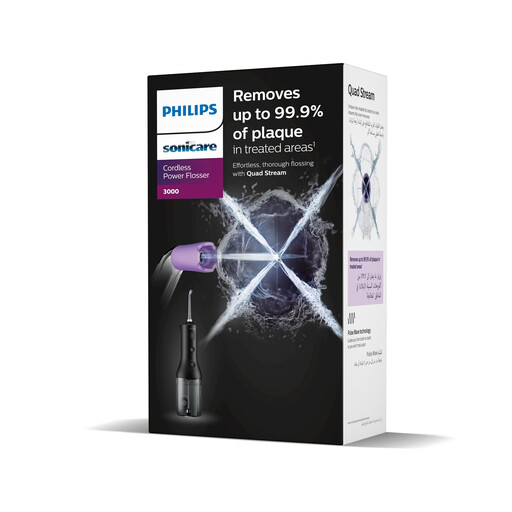
Why it suits this user: This model combines a familiar product range with a 250 ml tank, two modes and three intensity levels for everyday use.
Your choice isn’t based on a single high pressure rating: you get Clean, Deep Clean and three intensity settings.
250 ml tank, Quad Stream nozzle, rechargeable battery and a two-year warranty, according to the product information.
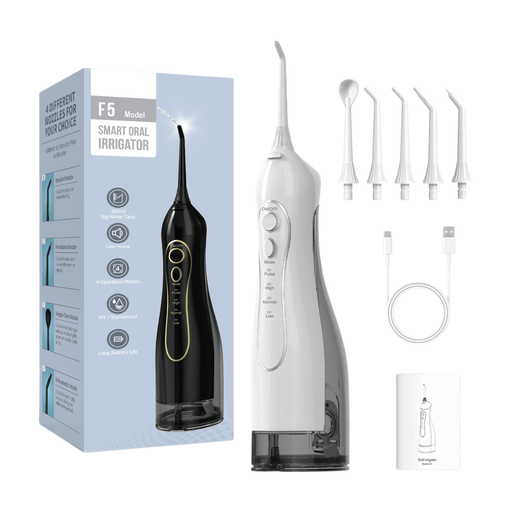
Why it suits this user: The F5 is designed for users who want several settings and different nozzles, for example for everyday use or cleaning around braces.
As well as a maximum pressure of 140 PSI, the product description lists five settings, including a gentler one.
300 ml removable tank, 2000 mAh battery, five nozzles, 360° rotating nozzle and IPX7, according to the product information.
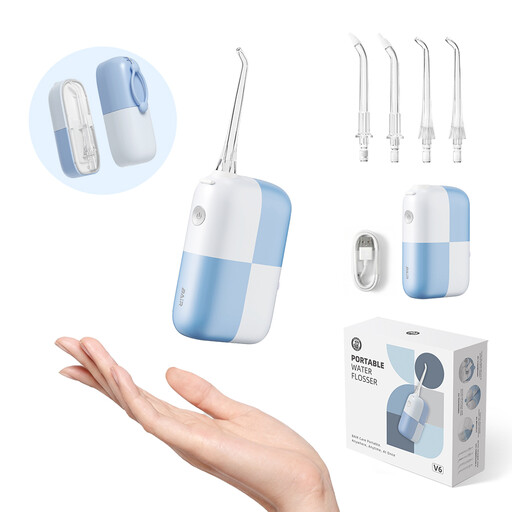
Why it suits this user: According to the product description, the foldable design is around 10 cm long and weighs approximately 145 grams without accessories.
The tank detaches magnetically, and the nozzles can be stored inside the device, making loose parts less likely to go missing.
USB-C, IPX7, 75–80 PSI, approximately 30 days of battery life, and standard, orthodontic and periodontal nozzles, according to the product information.
We’ve put together a complete, up-to-date list of products that meet these strict selection criteria and the applicable European safety regulations.
A water flosser can be useful around brackets and wires, especially if it comes with an orthodontic nozzle. Check what’s included and start on a low setting. Suitability varies from person to person; if you’re unsure, follow your dentist’s or orthodontist’s advice.
Its lifespan depends on the battery, pump, seals and how well it’s maintained. Empty the tank after each use, prevent limescale build-up and store the device somewhere dry. A battery life of, for example, 30 or 50 days refers to a single charge, not the total lifespan of the device.
As well as the purchase price, your main costs are electricity, water and any replacement nozzles. USB-C models are easy to charge with a suitable adapter. Check the price and availability of compatible nozzles in advance, as these can add to the ongoing cost.
