
Vandaag of morgen in huis

Kwaliteit gegarandeerd

Welkomstaanbiedingen ontgrendelen: GRATIS bezorging | Tot 80% korting | Gratis 30 dagen JoyPlus-proefperiode
Download de app
A water flosser can be useful when food particles get stuck between your teeth, around braces or along the gumline. However, not every model is equally practical. For example, a high pressure rating on the packaging tells you little if the reservoir runs out quickly, the jet feels uncomfortable or the device is difficult to clean.
The Joybuy Product Recommendation Officer selects products based on verifiable specifications, ease of use and the situation in which you want to use a device. This helps you avoid paying mainly for marketing terms.
A water flosser with a high maximum pressure is not automatically suitable for everyday use. If you have sensitive gums or are using a water flosser for the first time, you will usually benefit more from a gentle setting and an adjustable water jet. Always check the full pressure range, not just the highest value.
Manufacturers usually state battery life based on a particular frequency of use. Actual battery life may depend on the selected pressure, cleaning mode and charging conditions. Also check the charging time and connection type. A USB-rechargeable water flosser is practical when travelling, but the charging port must be dry before you connect the cable.
A water flosser is only comfortable to use when you have the right attachments and maintain the device properly. An orthodontic nozzle can be useful with braces, while a soft or periodontal tip may be better suited to a sensitive oral care routine. Empty the reservoir after use, rinse the nozzle and allow loose parts to dry.
Look at:
When using a new electric flosser, start with the lowest setting. Direct the jet between your teeth and along the gumline, but never towards your eyes, ears or nose. Persistent pain or noticeably bleeding gums is a reason to stop using the device and consult a dentist.
A tank of around 250 to 260 ml may be designed for one cleaning session according to the product information, but your usage pattern will determine whether you need to refill it. A larger reservoir provides longer use, but also makes the device less compact.
For a water flosser for travel, dimensions, weight and storage space are often more important than extra-high pressure. A portable water flosser should also be easy to fill and clean. A removable tank with a wide opening is practical for this purpose.
Check whether the included attachments are suitable for your needs. For a water flosser for braces, an orthodontic nozzle is relevant. For everyday interdental cleaning, a standard tip is usually sufficient.
Also pay attention to the stated IP rating. IPX6 and IPX7 are different classifications, so check the product page and manual. Never use a charging cable when the connection is wet. CE marking may form part of the product information, but always check the current specifications and safety instructions on the sales page.
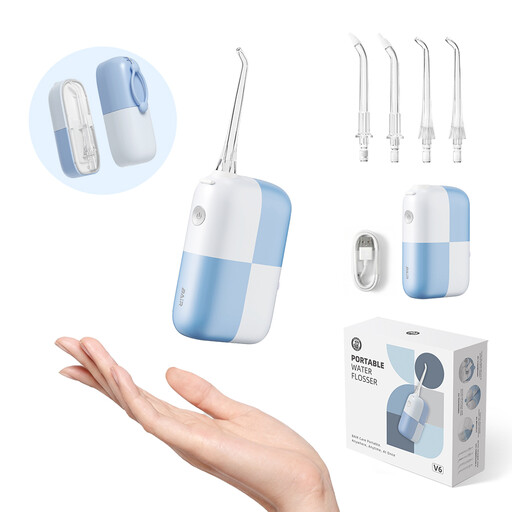
Why it suits this profile: According to the product specifications, this compact model weighs 145 grams and folds down to around 10 cm. The press-and-spray mode can be useful for beginners who want control over each water pulse.
The magnetic removable tank is designed to make filling and cleaning easier. However, always check that the tank can dry completely after use.
75–80 PSI, IPX7 according to the product information, USB-C charging and storage space for standard, orthodontic and periodontal tips.
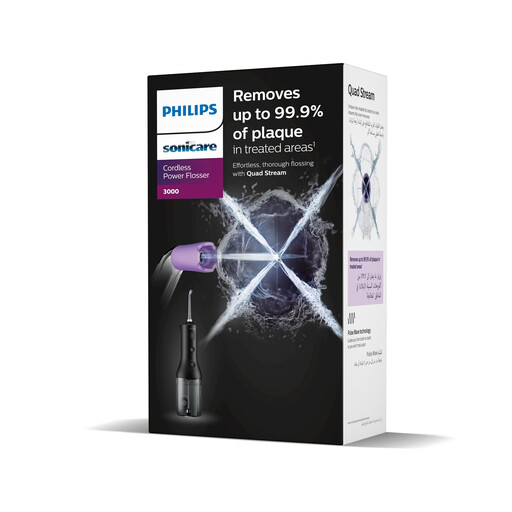
Why it suits this profile: If you value a well-known brand, straightforward controls and a consistent daily routine, this model offers two modes, three intensity levels and a 250 ml reservoir.
The three intensity levels mean you are not limited to a single fixed jet that may be too powerful. The included Quad Stream tip is designed to distribute water over a wider area.
Two modes, three intensities, a 250 ml reservoir and a two-year warranty according to the product information. According to Philips’ own product information, the device removes up to 99.9% of plaque from treated areas.
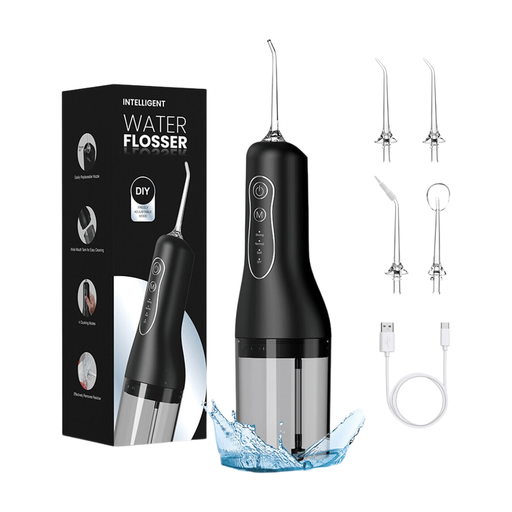
Why it suits this profile: This model is aimed at users who want several modes and different nozzles for everyday cleaning, tongue care or specific oral care needs.
The four modes, including DIY, offer more adjustment options than a model with a single fixed pressure. Before buying, check the current IP rating: the description states IPX6, while the safety information elsewhere mentions IPX7.
Pressure range of 60–140 PSI, 260 ml removable tank, USB-C charging, 1,500 mAh battery and memory function according to the product description.
We have put together a complete, up-to-date list of products that fully meet these strict selection criteria and the applicable European safety regulations.
A water flosser is not a universal replacement for every form of interdental cleaning. The space between your teeth, the position of your braces and your personal preference will determine what works best. You can combine a water flosser with dental floss, interdental brushes or an interdental toothbrush.
It is best to use the device over the sink and partially close your lips to reduce splashing. Start at a low intensity and move systematically along the dental arches. A portable water flosser is useful for holidays or business trips, but take only the attachments you need and allow the tank and nozzle to dry properly.
It can be, depending on the model and selected setting. Choose a water flosser for sensitive gums with a gentle setting or several intensity levels. Start slowly and stop if you experience persistent irritation or discomfort. If you already have complaints, it is sensible to consult a dentist.
Its lifespan depends on the battery, motor, seals and maintenance. Empty the tank after every use, descale the device according to the manual and replace attachments when they become worn or difficult to clean. Also check the warranty terms, such as the one- or two-year periods mentioned for some models.
In addition to the purchase price, replacement nozzles and electricity are the main ongoing costs. A USB-rechargeable model uses little power per charge, while attachments can have a greater impact on recurring costs. Before ordering, compare what is included in the box and whether suitable replacement tips are available.
