
Vandaag of morgen in huis

Kwaliteit gegarandeerd

Welkomstaanbiedingen ontgrendelen: GRATIS bezorging | Tot 80% korting | Gratis 30 dagen JoyPlus-proefperiode
Download de app
A water flosser, also known as an oral irrigator, has become a popular tool for anyone serious about their oral hygiene. It promises an effective way to remove plaque and is often more pleasant than traditional flossing, especially for people with braces, implants, or sensitive gums. But the market is flooded with models that promise the world. As a Product Recommendation Officer at Joybuy, I see the challenges consumers face every day. Before you buy a water flosser, it's crucial to see through the marketing hype.
Many models look similar, but the differences in performance and lifespan are significant. Here are the three most common pitfalls to watch out for to avoid a bad purchase.
To make a smart choice, it's better to focus on a few concrete specifications that truly matter. These determine the effectiveness and ease of use of your oral irrigator.
The water pressure, measured in PSI (Pounds per Square Inch), determines the strength of the water jet. Pressure that's too low won't clean effectively, while pressure that's too high can be painful for sensitive gums. A good device has multiple, distinctly different settings:
The choice depends on your usage.
The most important thing is that the reservoir is fully detachable and easy to clean. A wide opening ensures you can properly dry the inside to prevent mold and bacteria growth.
A cordless water flosser offers the most freedom. Pay attention to the combination of battery capacity (in mAh) and the charging method. A model with a USB-C connection is practical, as you can use the same cable as for your phone or laptop. A battery life of 30 days with normal use is a realistic and good standard.
Based on these objective criteria, we have selected a number of models that suit different user profiles.
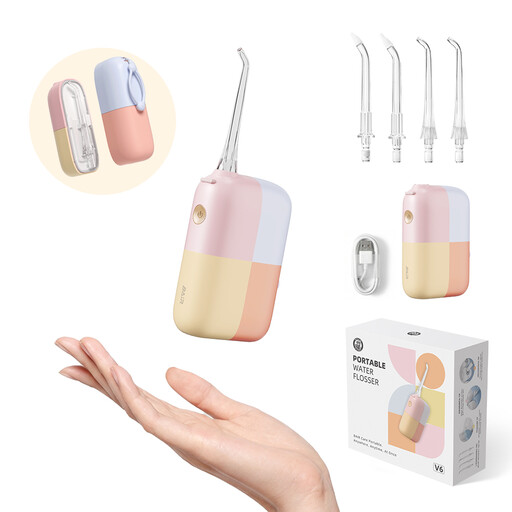
Why This Fits Their Persona: This model is designed for those who are always on the go. It's collapsible to the size of a smartphone, and the nozzles can be stored inside the device itself. Ideal for your carry-on or gym bag.
The patented magnetic water reservoir is fully detachable, allowing you to clean and dry it thoroughly. This solves the hygiene problem of traditional travel flossers.
Ultra-compact and lightweight (145g). The battery lasts up to 30 days and charges via USB-C.
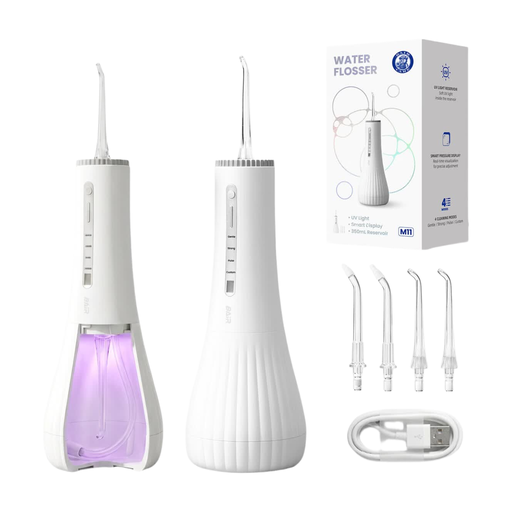
Why This Fits Their Persona: For those who put hygiene first. This model is ideal for daily home use, with a large water reservoir so you don't have to refill and a focus on keeping the device itself clean.
This model tackles the hygiene pitfall head-on with a built-in UV lamp in the nozzle storage compartment. According to the manufacturer BAIR CARE, this kills 99.9% of bacteria.
UV sanitization for the nozzles and an extra-large 360 ml water reservoir. The IPX8 waterproof rating is higher than the standard.

Why This Fits Their Persona: Ideal for anyone trying a water flosser for the first time or who has sensitive gums. This device focuses on ease of use with clear, functional modes without unnecessary extras.
This model avoids the pitfall of too many options. With three modes (soft, standard, powerful), it offers exactly what's needed. The 'soft mode' is specifically designed for beginners and prevents discomfort.
Dedicated mode for beginners and sensitive gums. The detachable 230 ml reservoir is a good balance between size and capacity.
We have compiled a complete, up-to-date list of products that fully meet these strict selection criteria and safety regulations.
Yes, a water flosser is often a great solution for people with braces, crowns, or implants. The water jet can reach places that are difficult to access with a toothbrush or floss. Look for a model with a special orthodontic tip and adjustable water pressure, so you can start with a gentle setting.
For most people, once a day, as a supplement to brushing, is sufficient to significantly improve oral hygiene. The best time is in the evening, before bed, to remove all food debris and plaque from the day.
A water flosser is very effective at removing food debris and loose plaque from between the teeth and along the gumline. However, some dentists believe that traditional floss may still be necessary to remove very stubborn, sticky plaque. It's a powerful tool, but consult with your dentist or dental hygienist to determine the recommended routine for your teeth.
