
Vandaag of morgen in huis

Kwaliteit gegarandeerd
Download de app
Categorieën

A water flosser, also known as an oral irrigator, can be a valuable addition to your daily oral care routine. However, the market is vast, and specifications can be confusing. The wrong choice can lead to a device that doesn't meet your needs and ends up collecting dust in a cabinet.
This guide is designed to help you make an informed decision. We focus on the key product parameters that matter, ensuring you find a model that fits your specific needs—whether you have braces, travel frequently, or are simply looking for a more effective alternative to traditional floss.
Before purchasing a water flosser, it's essential to understand the key features. These criteria will help you objectively compare different models.
The reservoir's capacity, measured in millilitres (ml), determines how long you can floss before needing a refill. A typical session lasts between 60 and 90 seconds.
Water pressure is measured in bars or PSI. Higher pressure can be more effective for plaque removal but may be uncomfortable for those with sensitive gums. Models with multiple settings offer the flexibility to start at a low pressure and adjust it to your comfort level.
Standard tips are suitable for general cleaning. However, many models come with specialised tips:
Based on the criteria above, we have curated a selection of models with diverse features. These recommendations are based on the manufacturers' product specifications.
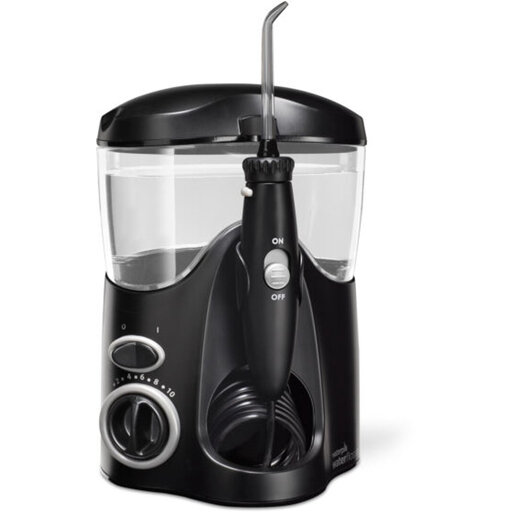
Why We Chose It: The Waterpik WF-112 is a countertop model focused on comprehensive functionality. With ten pressure settings, it offers a high degree of control, from a gentle clean to a powerful jet. According to the manufacturer, the device is effective at removing plaque and contributes to healthier gums. The included set of six different tips makes it a versatile choice for various oral care needs.
Key Features:
Who It's For: Users looking for a complete and powerful system for home use. It is particularly suitable for families or individuals with specific needs like braces, implants, or crowns, thanks to its comprehensive set of tips.
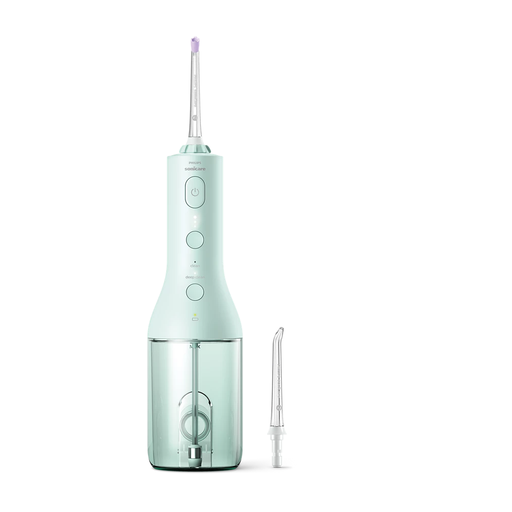
Why We Chose It: This cordless water flosser from Philips combines portability with advanced technology. Its QuadStream technology, as described by Philips, splits the water stream into four jets to clean a wider area between teeth and along the gumline. The device offers two modes and three intensity levels for a personalised experience.
Key Features:
Who It's For: Individuals who prefer the convenience of a cordless device. Suitable for travellers and users seeking an efficient, easy-to-use solution for daily cleaning.
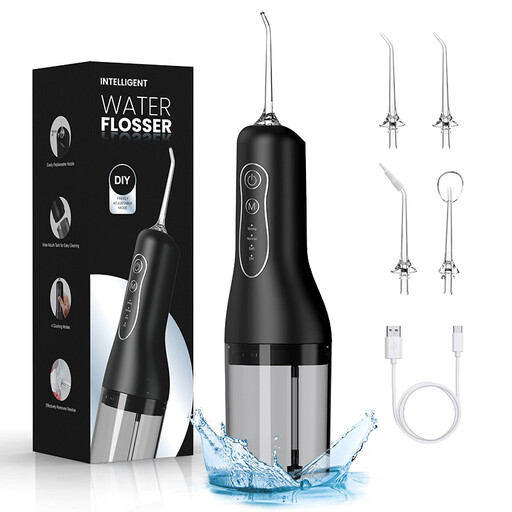
Why We Chose It: The Sunluxy L5 is designed with maximum portability in mind. This compact model boasts an impressive battery life of up to 50 days on a single charge. With four cleaning modes, including a customisable DIY mode, it offers surprising flexibility for its size. The high pulse frequency and water pressure ensure a thorough clean.
Key Features:
Who It's For: The frequent traveller or anyone seeking an ultra-portable yet powerful water flosser. Its long battery life and compact design make it a practical choice for life on the go.
The models above provide a good overview of the different types of water flossers available. If your ideal device isn't listed here—perhaps because you're looking for a different brand, a specific price point, or other technical specifications—more options are available.
Explore our full range of Electric Flossers for a wider selection.
1. Is a water flosser a replacement for traditional floss? A water flosser and traditional floss work differently. Floss physically scrapes plaque from the tooth surface. A water flosser uses a pulsating stream of water to flush away food debris and plaque, especially in hard-to-reach areas and below the gumline. For people with braces, implants, or sensitive gums, a water flosser can be a more effective and comfortable alternative. Consult your dentist or dental hygienist for advice tailored to your specific dental needs.
2. Can I use mouthwash in a water flosser? With many models, like the Waterpik WF-112, it is possible to add a small amount of mouthwash to the water for a fresher sensation. However, it is crucial to always check the manufacturer's instructions. Certain chemicals in mouthwash can damage the device's materials over time. Always rinse the unit thoroughly with plain water after using it with mouthwash.
3. How often should I use a water flosser? For optimal oral hygiene, it is generally recommended to perform interdental cleaning at least once a day. Using a water flosser can become a regular part of this routine, for instance, in the evening before brushing your teeth.