
Vandaag of morgen in huis

Kwaliteit gegarandeerd

Welkomstaanbiedingen ontgrendelen: GRATIS bezorging | Tot 80% korting | Gratis 30 dagen JoyPlus-proefperiode
Download de app
Does this sound familiar? That stubborn, white film in your kettle. The taste of your coffee or tea that isn't quite right. Or the constant lugging of plastic water bottles. For many households, especially in areas with hard water, these are daily inconveniences. A water filter pitcher can offer a practical solution.
This article is intended as a clear guide. We'll explain what to look for when purchasing a water filter pitcher and highlight several popular choices. This will help you make an informed decision that suits your household.
The market offers many different models. To make the right choice, it's helpful to pay attention to a few key specifications.
Not every filter does the same thing. The core of a water pitcher with a filter is its cartridge. Most filters use a combination of activated carbon and ion exchange resins.
Therefore, look closely at what a manufacturer claims to filter and whether this aligns with your primary goal, such as filtering tap water for taste or specifically for limescale.
A water filter pitcher should be practical for daily use. Consider the following points:
Safety and durability are important. A BPA-free water filter pitcher is the standard nowadays. BPA (Bisphenol A) is a chemical used in some plastics that you'll want to avoid.
Also, pay attention to the lifespan of the filter cartridge. Most manufacturers recommend replacing the filter every four weeks or after 100-150 litres of water. Some newer models offer filters with a longer lifespan, which can save costs in the long run.
Based on product specifications and features, we have listed some interesting models for you.
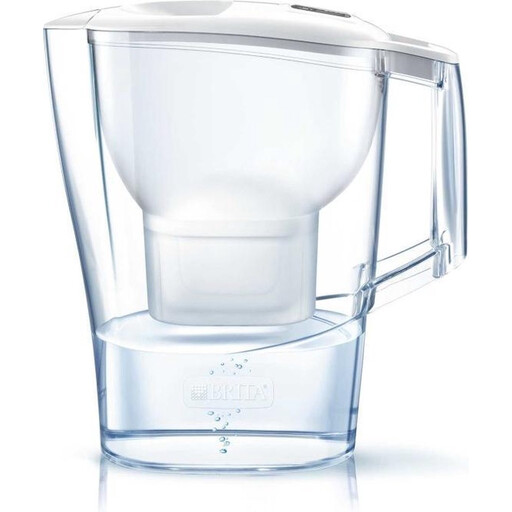
Why this model stands out This is a functional and compact entry-level model. The Aluna focuses on the core function: delivering filtered water with proven technology, without any extra frills.
Pros
Who is it for? For small households or individuals looking for a reliable, no-frills BRITA water filter pitcher that fits perfectly in the fridge.
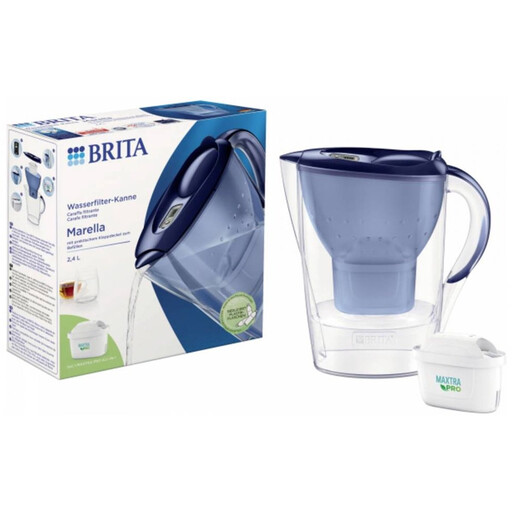
Why this model stands out The Marella offers extra user convenience compared to the Aluna, particularly with its handy flip-top lid and the MAXTRA PRO filter.
Pros
Who is it for? For households looking for that little bit of extra convenience and a clear reminder for filter replacement.
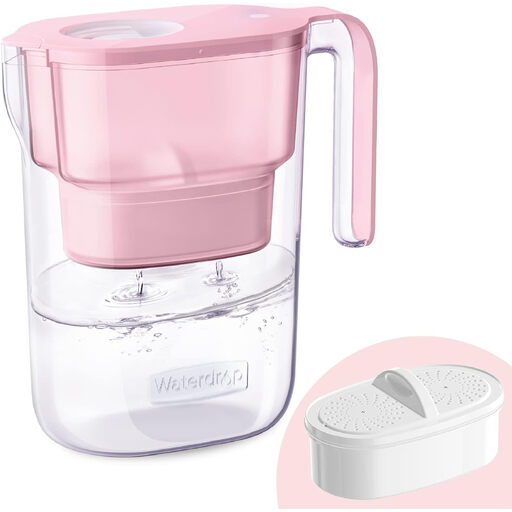
Why this model stands out This model from Waterdrop distinguishes itself with its long filter life and NSF certifications, which substantiate the manufacturer's claims.
Pros
Who is it for? For the cost-conscious and health-conscious consumer who values independent certifications and a filter that requires less frequent replacement.
A water filter pitcher is only as good as its filter. It's important to replace your cartridge on time to ensure optimal performance. Are you looking for replacement filters or want to explore other types of cartridges?
Check out our full range of Water Filter Cartridges to find the right refill for your pitcher.
1. How often should I replace a water filter? Most manufacturers, like BRITA, recommend a replacement every 4 weeks. Brands like Waterdrop offer filters with a longer lifespan of up to 3 months. The exact lifespan depends on the brand, the type of filter, and the hardness of your local water. Always consult the product manual.
2. Do water filter pitchers really help against limescale? Yes, water filter pitchers equipped with ion exchange resins are specifically designed to reduce the minerals (calcium and magnesium) that cause limescale. This results in softer water, which you'll notice in your kettle and coffee machine and taste in your hot drinks.
3. Is filtered water healthier than tap water? In many countries, tap water is of very high quality and safe to drink. A water filter pitcher is not primarily intended to make water 'healthier', but to improve its quality based on personal preference. Filtering tap water can enhance its taste and smell by reducing chlorine and extend the life of your appliances by reducing limescale. Additionally, it can further minimise the intake of any traces of metals or pesticides.
