
Vandaag of morgen in huis

Kwaliteit gegarandeerd

Welkomstaanbiedingen ontgrendelen: GRATIS bezorging | Tot 80% korting | Gratis 30 dagen JoyPlus-proefperiode
Download de app
Dutch tap water is high quality, but that doesn't mean it tastes the same everywhere. Depending on where you live, hard water (limescale) can affect the taste of your coffee and tea and damage your appliances. A water filter pitcher seems like a simple solution, but the market is flooded with models that over-promise and under-deliver. Before making a purchase, it's wise to know what to look for.
Many consumers fall into a few common pitfalls:
A good choice depends on objective specifications, not marketing claims.
To avoid a bad purchase, focus on a few key factors. These specifications determine the performance and ease of use of your water pitcher with filter.
The core of any water filter pitcher is the filter itself. Most filters use a combination of:
water filter for limescale. It reduces the concentration of calcium and magnesium ions, resulting in softer water.Look for independent certifications. An NSF/ANSI 42 certification, for example, indicates that the filter has been verified for the reduction of chlorine, taste, and odour. An NSF/ANSI 372 certification guarantees that the materials are lead-free. These labels provide an objective measure of performance.
Water filter pitchers are typically made of plastic or glass.
The capacity (usually between 2 and 3.5 litres) is also important. A larger pitcher is convenient for families, while a smaller, slim model is better suited for a crowded fridge or a single-person household.
Not every pitcher is right for everyone. Below are a few options tailored to different needs and budgets.
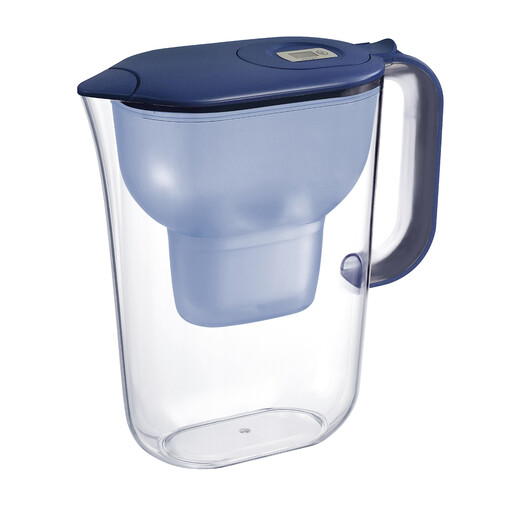
Why This Fits Their Persona: Ideal for students or small households who want a functional and affordable start to water filtration. Its compatibility with common filters makes it an economical long-term choice.
This pitcher bypasses the pitfall of expensive, proprietary filters. Because it's compatible with Brita cartridges, you have the freedom to choose the most affordable and widely available option.
Universal filter compatibility offers flexibility and cost savings. The built-in electronic timer helps remind you when it's time to replace the filter.
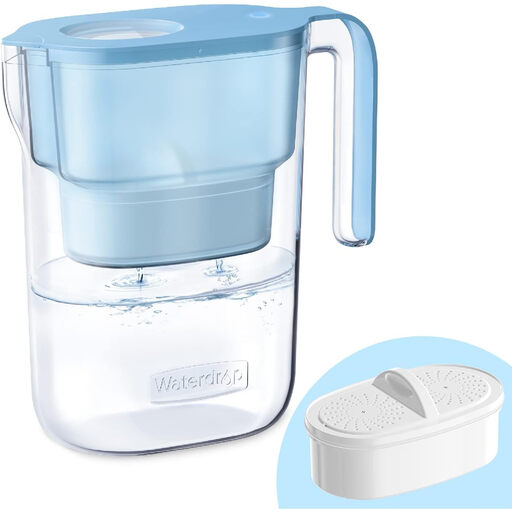
Why This Fits Their Persona: For families who want assurance about their water quality. The NSF certifications provide an objective guarantee that the water is genuinely cleaner and safer, while the BPA-free material offers peace of mind.
This pitcher tackles the pitfall of vague claims. Its NSF 42 and 372 certifications aren't just marketing; they are third-party verified proof that the filter reduces chlorine and is made from lead-free materials.
NSF-certified for reduction of chlorine and taste-distorting impurities. The slim design is made to fit in most fridge doors, and the indicator shows the filter status.
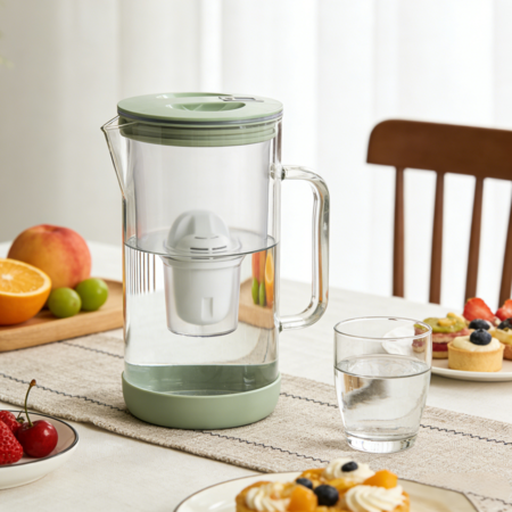
Why This Fits Their Persona: For those who value aesthetics and material quality. This glass pitcher looks elegant on the table and provides the assurance that water does not come into contact with plastic. A durable and stylish choice.
This pitcher eliminates any concerns about plastic composition. By choosing a `glass water filter pitcher`, you completely sidestep the debate over BPA or other chemicals.
Made from high-quality glass, which ensures a pure taste with no aftertaste. The sleek, minimalist design fits into a modern kitchen.
We have compiled a complete, up-to-date list of products that meet these strict selection criteria and Dutch safety regulations.
This depends on the brand, the hardness of your water, and your usage. Most manufacturers recommend a replacement every 1 to 3 months. In areas with very hard water, it may be necessary to replace the filter more often to continue reducing limescale effectively. Watch for signs like slower filtration or a change in the water's taste.
Yes, many water filter pitchers contain ion exchange resin specifically designed to reduce the minerals that cause limescale buildup (calcium and magnesium). This not only improves the taste of beverages like tea and coffee but also helps protect appliances like kettles. Look for a drinking water filter that explicitly mentions limescale reduction.
Yes, a BPA-free water filter pitcher is made from plastic without Bisphenol A, a chemical some people prefer to avoid. These materials are safe for contact with food and drinks according to EU regulations. If you prefer to avoid plastic altogether, a glass water filter pitcher is an excellent alternative.
