
Vandaag of morgen in huis

Kwaliteit gegarandeerd

Welkomstaanbiedingen ontgrendelen: GRATIS bezorging | Tot 80% korting | Gratis 30 dagen JoyPlus-proefperiode
Download de app
As a Joybuy Product Recommendation Officer, I see consumers struggle daily with choosing a water filter. While tap water in many regions is of high quality, many people still look for ways to improve its taste, reduce limescale, or simply gain extra peace of mind. However, the market is flooded with marketing claims that make the choice unnecessarily complex.
This guide is designed to help you make the right decision. We're not looking at the hype; we're looking at the facts. Let's start with the most common pitfalls.
Before you make a purchase, it's important to be aware of a few common missteps that can lead to disappointment and unnecessary costs.
water filter pitcher might seem like a great deal until you discover the price of the replacement cartridges. Sometimes, these filters are expensive or hard to find, causing the total long-term costs to add up significantly.To avoid a bad purchase, focus on the following three concrete specifications. These determine the performance and suitability of a water purifier for your situation.
Not every water filter is the same. The technology determines which substances are removed.
A manufacturer can claim a lot, but certifications provide an independent guarantee. Look for the following standards:
The choice of filter type depends on your usage.
Philips water filter or Siemens water filter is crucial to prevent limescale in your expensive appliance and to optimise the taste of your coffee.Based on these criteria, we have selected a number of products that suit different needs and budgets.
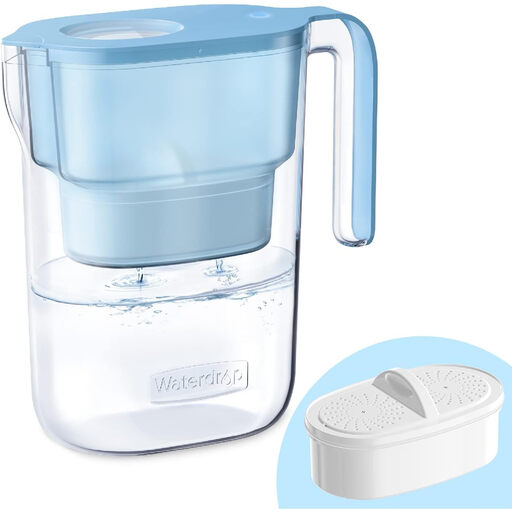
Why This Fits Their Persona: Ideal for those seeking a simple, affordable solution. Its compact footprint fits in most fridge doors, perfect for dorm rooms, small kitchens, or as an introduction to water filtration.
This product is NSF 42 and 372 certified, which avoids vague claims. The 3-month replacement cycle is clearly stated, so you won't face any surprises.
Independently certified for reducing chlorine and improving taste. Made from BPA-free material for extra peace of mind.
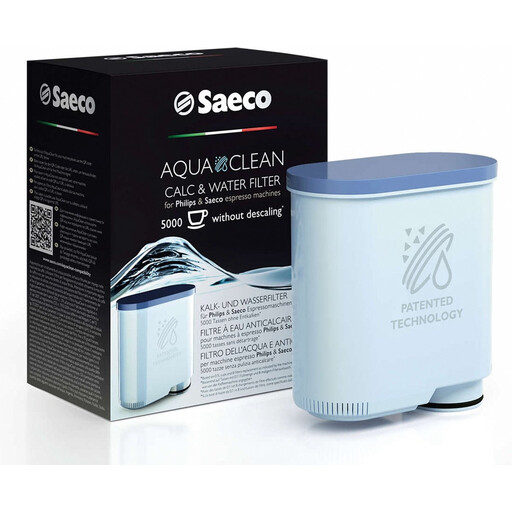
Why This Fits Their Persona: Specifically designed for Philips and Saeco fully automatic machines. The goal is clear: protect the machine from limescale and optimise the coffee's flavour. A targeted solution for a specific need.
This is a genuine filter, which prevents compatibility issues. According to Philips, you only need to descale after 5,000 cups, which is a clear, manufacturer-specified performance indicator.
Extends the life of your coffee machine by preventing limescale buildup. Ensures a more consistent and better coffee taste.
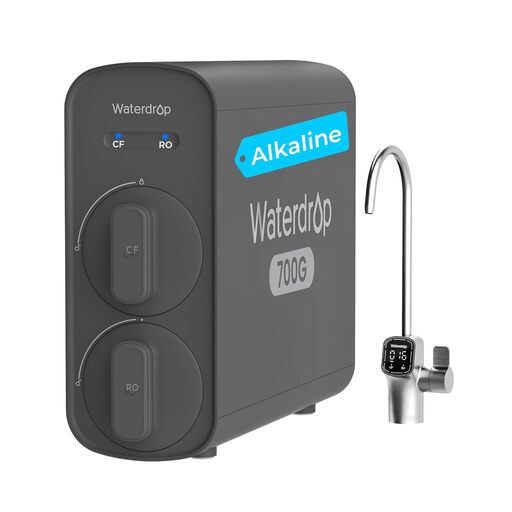
Why This Fits Their Persona: For households that demand the highest level of purification. This under-sink water filter with reverse osmosis technology is a serious kitchen upgrade, intended for daily use by the whole family.
The reverse osmosis technology is a proven method, not a vague claim. The system is NSF/ANSI 372 certified for lead-free materials, which substantiates the product's quality.
Comprehensive 8-stage filtration that reduces a wide range of impurities. The tankless design saves significant space under the sink.
We have compiled a complete, up-to-date list of products that meet these strict selection criteria and local regulations.
Below you'll find answers to a few questions we often receive.
The replacement frequency depends on the filter type, its capacity, and the local water hardness. A water filter pitcher typically needs a new filter every 1 to 3 months. An under-sink water filter can last 6 to 12 months or longer. Always consult the manufacturer's specifications and be aware that the lifespan may be shorter with hard water.
A water filter pitcher is a standalone jug that you fill with water, which then slowly passes through the filter. This is flexible, and you can keep the pitcher in the fridge. A faucet water filter is an attachment that you mount directly onto your kitchen tap. It provides an instant choice between filtered and unfiltered water with the flip of a switch, no waiting required.
Yes, but only if the filter is specifically designed for softening water. Filters with ion-exchange resin, such as a dedicated limescale filter or a coffee machine water filter from brands like Waterdrop, Philips, or Siemens, are effective at reducing limescale. A standard activated carbon filter will do little to combat this. Therefore, always check if the filter is suitable for reducing water hardness.
