
Vandaag of morgen in huis

Kwaliteit gegarandeerd

Welkomstaanbiedingen ontgrendelen: GRATIS bezorging | Tot 80% korting | Gratis 30 dagen JoyPlus-proefperiode
Download de app
Published on: 11-07-2026 | By: Joybuy Product Recommendation Officer
The desire for cleaner, better-tasting tap water is why many people in the Netherlands consider buying a water filter. However, the market is filled with promises that don't always hold up. Before you make a decision, it's important to know what to look for. Here, we'll discuss a few common pitfalls and provide objective guidance for your choice.
Many products seem like a good deal at first glance, but the reality is often different. Pay attention to the following points to avoid a bad purchase.
filter limescale from water, a filter can become saturated significantly faster.To make an informed choice, look past the marketing and focus on the technical specifications. These are the three most important points.
Not every water filter is the same. The technology determines its effectiveness.
filter limescale from water and reduce water hardness, this is an essential component. It protects your appliances like kettles and coffee makers from limescale buildup.purify water. Systems with reverse osmosis (RO) use a very fine membrane (often 0.0001 micron) to remove not only limescale and chlorine but also heavy metals, bacteria, viruses, and other contaminants.Certificates from independent bodies provide assurance about a filter's performance. Look for the following standards:
Don't just compare the purchase price; calculate the long-term costs. A filter with a high capacity (e.g., 30,000 litres) may be more expensive initially than a water filter pitcher (which might handle 200 litres per filter), but the cost per litre of water is often much lower on an annual basis.
To help you find the right match, we have matched some products to specific user profiles.
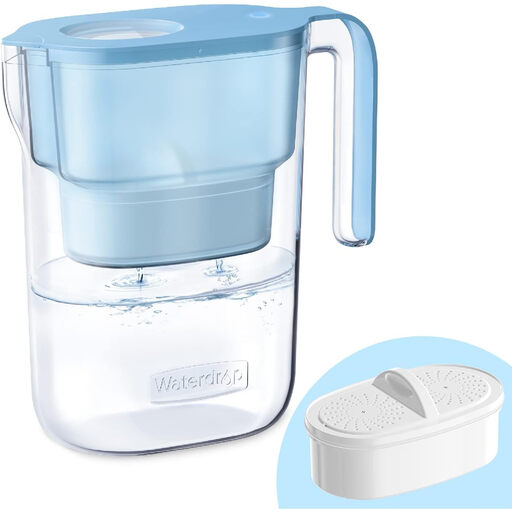
Why This Fits Their Persona: Ideal for those seeking a simple and affordable solution with no installation required. Perfect for one or two-person households, student rooms, or as a starting point. The slim design fits in most refrigerator doors.
This product avoids the pitfall of vague claims. According to the manufacturer, it is NSF 42 and 372 certified, which objectively proves it reduces chlorine, taste, odour, and lead.
The combination of activated carbon and ion-exchange resin tackles both taste and limescale. The gravity-based indicator signals when the filter needs replacing.
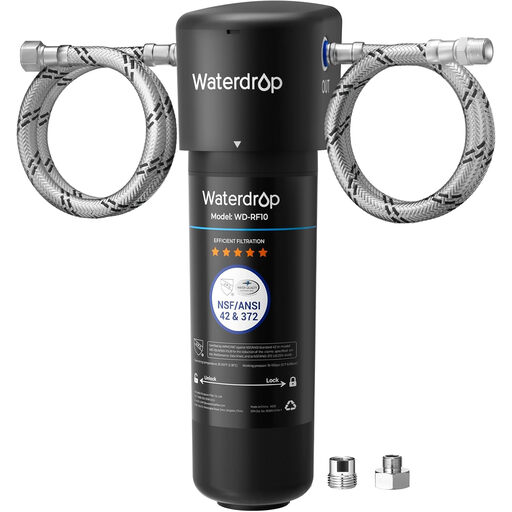
Why This Fits Their Persona: For families or heavy users who want a constant stream of filtered water directly from the tap. This under-sink system saves counter space and eliminates the wait for a pitcher to filter.
This system tackles the pitfall of high replacement costs. With a stated lifespan of up to 30,000 litres (or 12 months), the cost per litre is extremely low, making it a cost-effective choice in the long run.
Installation is relatively simple and connects directly to the cold water line. The filter can be replaced with a simple twist, no tools required.
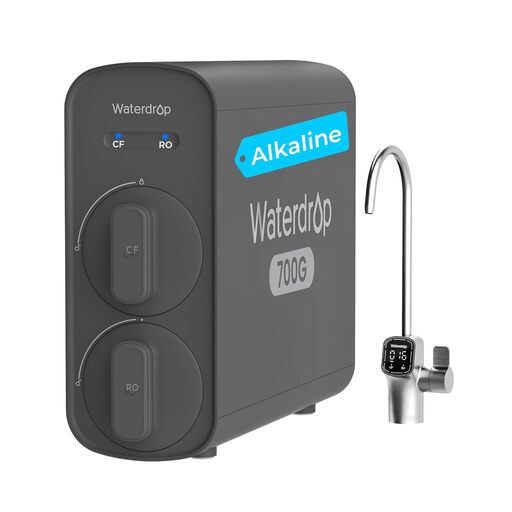
Why This Fits Their Persona: For those seeking the most thorough form of water purification. This reverse osmosis system is an investment in water quality, ideal for health-conscious users who want to leave nothing to chance.
This system makes no vague promises. The 8-stage filtration with a 0.0001μm RO membrane offers a specific and verifiable method to reduce a wide range of impurities, from heavy metals to PFOA/PFOS.
The tankless design saves significant space under the sink. Additionally, the system adds minerals back after purification, which benefits the taste. The efficient 2:1 pure-to-waste water ratio is better than many older RO systems.
We have compiled a complete, up-to-date list of products that meet these selection criteria and current regulations.
The replacement frequency depends heavily on your water consumption and the hardness of your local tap water. The manufacturer's recommendation (e.g., 3 months or 200 litres) is a guideline. In an area with high limescale content, a filter can become saturated more quickly. Monitor the taste of the water or use a calendar reminder. Some pitchers, like the Freco by Bluetech, have a convenient timer on the lid.
Yes, but only if the filter is specifically designed for limescale reduction. This requires an ion-exchange resin. A standard activated carbon filter, which mainly improves taste and odour, will not or will barely reduce water hardness. Always check the product description for terms like "limescale reduction," "water softening," or "ion-exchanger."
A water filter pitcher is flexible, affordable to purchase, and requires no installation. The downside is that you have to wait for the water to filter, and the capacity is limited. A tap-mounted water filter or an under-sink system delivers filtered water instantly with a higher capacity. This is more convenient for families or if you frequently use large amounts of filtered water, for example, for cooking. The choice depends on your budget, patience, and water consumption.
