
Vandaag of morgen in huis

Kwaliteit gegarandeerd

Welkomstaanbiedingen ontgrendelen: GRATIS bezorging | Tot 80% korting | Gratis 30 dagen JoyPlus-proefperiode
Download de app
As a Product Recommendation Officer at Joybuy, I see a lot of products come and go. My job is to help you make a practical choice, without the marketing jargon. A water filter might seem like a simple purchase, but a few common pitfalls can lead to unnecessary spending or leave you with an impractical product.
Dutch tap water is high-quality, but its taste and hardness (limescale) vary by region. Many people look for a water filter to improve the taste of their coffee and tea, reduce limescale buildup in appliances, or simply because they prefer filtered water. Before you make a choice, it's wise to consider the following points.
The 2 most common pitfalls when buying a water filter:
To avoid a bad purchase, it's smart to look beyond just the price. These two specifications are crucial for your long-term satisfaction.
Not every water filter does the same thing. The technology determines the result.
The form factor is just as important as the technology.
Below is a selection of products that suit different user profiles, based on their objective specifications.
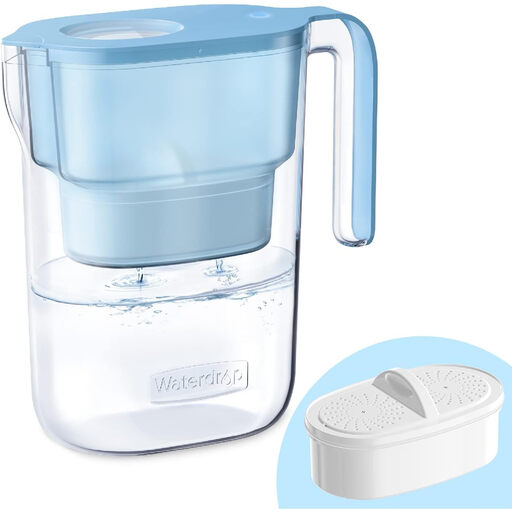
Why This Fits Their Persona: Ideal for those starting out with water filtration without a large investment. Its compact 2.5-litre size fits easily in the fridge door, perfect for a one or two-person household.
This model bypasses the hidden cost pitfall. The replacement filters (WD-PF-01A Plus) are widely available, and the pitcher comes with a 3-month filter, so you don't have to make another purchase right away.
According to the manufacturer, the filter is NSF 42 certified for the reduction of chlorine, taste, and odour. The gravity-fed indicator shows the filter status while pouring, which helps with timely replacement.
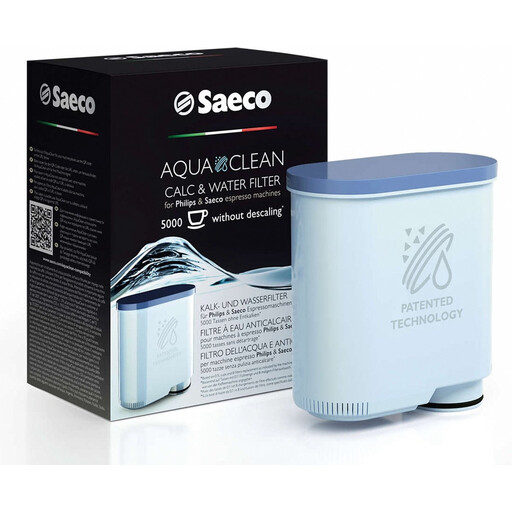
Why This Fits Their Persona: Specifically designed for owners of a Philips or Saeco fully automatic machine. The goal is twofold: improve the coffee's taste and, more importantly, protect the machine from limescale buildup.
This genuine filter prevents compatibility issues. The AquaClean system is recognised by the machine, correctly delaying the descaling cycle. This avoids the pitfall of a "one-size-fits-all" filter that doesn't integrate properly with the appliance's software.
According to Philips, this filter allows you to go up to 5,000 cups before descaling. This significantly reduces maintenance and the risk of limescale damage, which benefits the lifespan of an expensive machine.
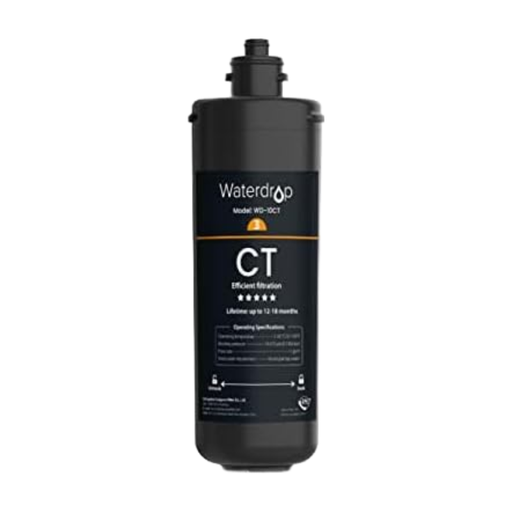
Why This Fits Their Persona: For households that use a lot of filtered water daily for drinking and cooking. This under-sink water filter provides a constant stream of filtered water directly from the tap, without the hassle of refilling a pitcher.
This system addresses the "long lifespan" pitfall with clear replacement cycles. The filters last from 6 to 18 months, depending on the type. This is a more realistic and longer term than most pitchers, reducing maintenance frequency.
The system is WQA certified against NSF/ANSI 42 standards for chlorine reduction. The installation is designed for DIY, and the filters can be replaced in seconds without tools using a twist-and-lock mechanism.
We have compiled a complete, up-to-date list of products that meet these selection criteria and local regulations.
This depends heavily on the filter type, your local water hardness, and your usage.
It's not essential; Dutch tap water is safe to drink. A water filter is primarily a choice for comfort and taste. It can reduce the taste of chlorine and significantly limit limescale buildup in your appliances, which can extend the lifespan of your coffee machine or kettle, for example.
A water filter pitcher is a portable, entry-level solution. You fill the pitcher manually, and the water is filtered slowly. An under-sink water filter is permanently installed under the sink and provides instantly filtered water via a tap. This is more convenient for larger quantities and continuous use but requires installation.
