First, measure the distance between your eyes and the TV position, then watch one of your own lecture videos from there, with slides and subtitles. A 32-inch TV may suit a smaller space; if you’ll be watching from further away or find text difficult to read, try a size around 40–43 inches too. Also check how easy speech is to understand, and whether your lecture source works through a suitable app or connection. A 4K or smart TV label alone won’t tell you that.
Who might find this TV advice useful?
Watching lectures from bed
You want to be able to read slides and subtitles from your usual viewing position. Your actual viewing distance and the text in one of your own lecture videos can help you decide which screen size will feel comfortable. The Consumers’ Association highlights viewing distance as something to consider, while YouTube Help explains how to adjust subtitle display.
Following speech clearly
You mainly follow the speaker’s explanations, so you’ll want to judge how clear the speech sounds rather than infer it from the stated speaker power alone. The Consumers’ Association points out that TV sound quality varies.
Using a specific video source
Your lectures are on a particular platform or device, and you want to check in advance whether the required app is available or whether you can connect an external source. The Consumers’ Association discusses differences between TV apps; YouTube Help explains how to watch using a TV app or cast from another device.
What should you look for in a TV for watching lectures from bed?
Start with your viewing distance and how easy it is to read text in your own video. Use the Consumers’ Association’s general guideline of around 2.4 times the screen’s diagonal measurement only as a starting point, not a firm rule for reading text on lecture slides.
| What to consider |
What to look for when buying |
Who should pay closer attention? |
| Readability from bed |
Measure your viewing distance and watch one of your own lecture videos, including its slides and subtitles. If needed, compare nearby screen sizes; how much difference 4K makes also depends on the video source. |
If you mainly want to read text on slides and subtitles, check how they look from your usual viewing position in bed. Around 28% of consumers prioritise readability. |
| Speech clarity |
Listen to spoken content at a normal volume. Check that the TV has the audio output you need if you want to use headphones or an external speaker. |
If you mainly follow the speaker’s explanations, judge how easy they are to understand rather than relying on the stated power alone. Around 22% of consumers prioritise speech clarity. |
| Access to lectures |
Check whether the required app is available on the exact model, or whether it has a suitable connection for a laptop or media player. Subtitle settings only work if the video service and video support them. |
If your lecture is on a specific platform or device, you’ll want to know in advance how to play the video. Around 22% of consumers give access to their lecture source top priority. |
| Positioning and energy use |
Check the TV’s overall dimensions, including the stand, and follow the manual for the exact model if you’re wall-mounting it. Compare the energy information for the specific TVs you’re considering. |
If space is limited in your bedroom, you’ll want to know whether the TV will fit and can be positioned safely. Around 17% of consumers prioritise positioning and energy use. |
| Overall set-up and long-term use |
Check the connections you need, the accessories included and current app support. Also read the seller’s warranty terms. |
If you want a TV that will continue to work with your video source, look beyond the model year or purchase price. Around 11% of consumers focus mainly on the overall set-up and long-term usability. |
What to avoid when buying a TV for watching lectures
-
Assuming 4K means you don’t need to test readability
According to the Consumers’ Association, the difference between 4K and Full HD isn’t always clear; the quality of the video source also matters.
Measure your viewing distance and watch one of your own lecture videos from the spot where you plan to sit or lie. Pay attention to small text on slides and subtitles.
-
Assuming every smart TV has the same lecture apps
Apps vary between TVs and may later be removed, so the video service you rely on might not remain available.
Check the app for the exact model and see whether a suitable connection for a laptop or media player could offer an alternative.
-
Assuming speaker power means speech will be clear
The stated power doesn’t tell you how clearly spoken explanations will sound. The Consumers’ Association points out that TV sound quality varies.
Listen to speech and check that the TV has the audio output you need for headphones or an external speaker.
-
Measuring only the screen diagonal
The diagonal measurement doesn’t tell you how much width and height the TV takes up with its stand. If you’re wall-mounting it, the wall and installation position matter too.
Check the overall dimensions and the installation manual for the exact model before deciding where to put it.
Brands to compare
Samsung
Samsung’s F6000F range includes the 32-inch Full HD smart TV UE32F6000FUXXN.
- This compact model gives you a 32-inch Full HD option to assess from your own viewing distance.
- The model name alone won’t tell you whether slide text is easy to read from bed or which apps will remain available.
Philips
Philips describes the 32PFS6900/12 as a 32-inch Full HD TV with Ambilight.
- Ambilight is a feature to consider if you’d also like to compare ambient lighting.
- This feature doesn’t prove that lecture text will be easier to read or the speaker easier to understand. Check the required app and settings for the exact model.
TCL
The 32S5K is a 32-inch Full HD model. TCL presents the S5K range as QLED with HDR support.
- The Consumers’ Association lists two HDMI inputs and several audio outputs for the 32S5K. Check these if you want to connect an external source or headphones.
- TCL’s claims about colour and HDR come from the manufacturer; on their own, they don’t tell you how well lecture video or speech will work for you.
LG
LG describes the 32LQ63006LA as a compact webOS TV and lists Full HD among its key features.
- It’s a compact option to compare if its overall dimensions and video source suit your bedroom.
- LG’s product page includes ‘UHD’ in the title, but lists Full HD in the features and description. So don’t treat this model as a confirmed 4K TV; check the specifications for the exact variant.
TVs on Joybuy for watching lectures from bed
This selection on Joybuy includes compact 32-inch TVs and larger 43-inch models. Compare the size with your viewing distance from bed, and check that each model’s listed video sources and connections suit your set-up.
 No image available
LG 43NU800B6LC 43-inch 4K Smart TV
A 43-inch option to compare if you’d like to try a larger picture from bed.
The product information lists 4K, webOS, Google Cast and three HDMI connections. Check with one of your own videos whether text is easy to read from your intended viewing distance.
View on Joybuy
 No image available
Hisense 43A6S 43-inch 4K UHD Smart TV
This 43-inch model is a larger option to compare with a compact TV from your viewing distance.
The product information lists 4K, VIDAA Smart OS, AirPlay 2 and three HDMI connections. Check that your preferred lecture source works on your device with the playback method you choose.
View on Joybuy
 No image available
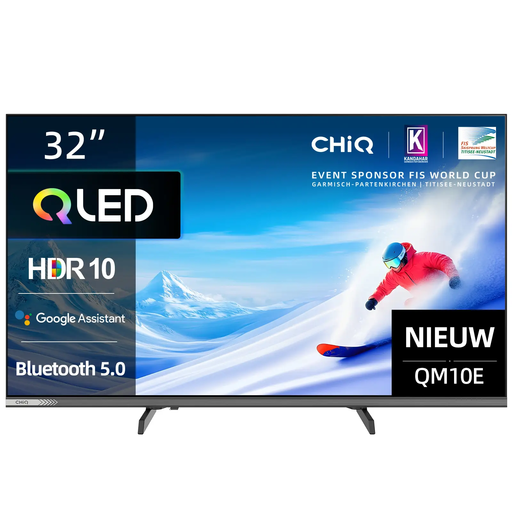
CHiQ L32QM10E 32-inch QLED Smart TV
A compact 32-inch option to compare if you have less space for a TV.
The product information lists Full HD, Google TV, wireless screen sharing, HDMI, USB and Bluetooth. Check which connection or playback method suits your lecture source.
View on Joybuy
 No image available
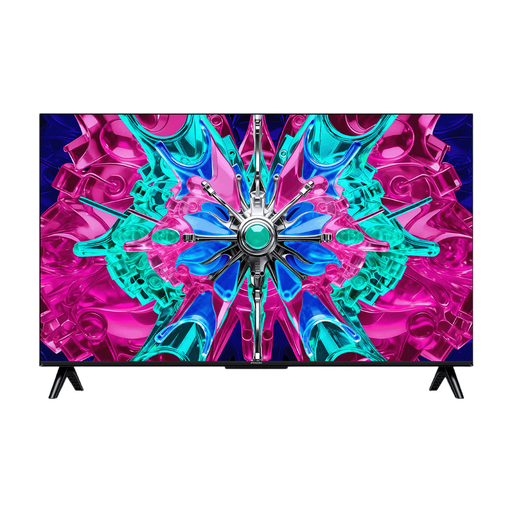
iFFALCON U65A 43-inch 4K LED Smart TV
A 43-inch model to compare if you’d like to try a larger screen from bed.
The product name lists 4K LED and 50 Hz. The product information lists Google TV, Google Cast and three HDMI connections. Check how one of your own lecture videos looks and whether it has the connection you need.
View on Joybuy
 No image available
Hisense 43E7S 43-inch 4K QLED Smart TV
Compare this 43-inch option with a compact model to see which size is most comfortable to watch from your bed.
The product information lists 4K, VIDAA, YouTube, three HDMI 2.1 connections and a headphone output. Check that the video service and audio connection you want suit the way you’ll use it.
View on Joybuy
Frequently asked questions
Is 32 inches big enough to read lecture text from bed?
It depends on your viewing distance, the text size in the video and what you find comfortable to read. Use your viewing distance as a starting point and watch one of your own lecture videos from where you plan to sit or lie. If needed, try a slightly larger size too.
Can you make subtitles bigger or clearer on your TV?
On supported TVs, you can adjust the subtitle style and display in YouTube. This only helps if the video has subtitles, so also check the settings of the service hosting your lecture.
Can you play a lecture from your laptop or phone on your TV?
You can do this using a suitable connection or a supported wireless playback method. YouTube explains how to watch using the TV app or cast from a device; check that your device and lecture service support the method you choose.
What should you consider when wall-mounting a TV in your bedroom?
Check the manual and make sure the TV, bracket, wall and mounting position are suitable for one another. LG points out that wall type and installation environment matter, and recommends professional installation to prevent damage. This is the manufacturer’s advice, not a general legal requirement for installation.
Which Dutch rules and rights are relevant when buying?
Televisions in the EU are subject to energy-labelling rules, which help you compare specific models. For an online purchase in the Netherlands, you generally have a statutory 14-day cooling-off period from delivery, subject to legal exceptions. You’re also entitled to a statutory guarantee if a product, under normal use, doesn’t do what you could reasonably expect. This isn’t a fixed two-year guarantee period.
Do you have to share your viewing habits to use a smart TV?
The Dutch Data Protection Authority says consent is required to collect and store data about online viewing habits. Read the privacy statement before connecting your TV to the internet, and consider which terms you’re willing to accept.


