
Vandaag of morgen in huis

Kwaliteit gegarandeerd

Welkomstaanbiedingen ontgrendelen: GRATIS bezorging | Tot 80% korting | Gratis 30 dagen JoyPlus-proefperiode
Download de app
A washing-up brush may seem simple, but the wrong model can quickly disappoint. A handle that is too short, soft bristles that flatten or a brush head that will not fit inside a bottle are all common reasons for having to buy another one. If you only look at the price or an appealing product photo, you can easily overlook the features that affect everyday use.
Pay particular attention to three points: the shape of the brush, the material of the bristles and the intended use. A washing-up brush for plates is not automatically suitable as a pot brush, bottle brush or grout brush.
A washing-up brush with a long handle keeps your hands further away from water and dirt. This can be useful when cleaning a deep pan or a full sink. At the same time, a short handle often gives you more control when scrubbing a pan or a baked-on edge.
So consider the task at hand. For everyday washing-up, a compact kitchen brush is often sufficient. For deep pans, tall glasses or a sink, a longer handle may be more practical.
A firm washing-up brush can tackle stubborn dirt, but hard bristles are not suitable for every surface. Extra care is needed with pans that have a non-stick coating. The product information for some brushes includes a warning not to use them on surfaces that may scratch.
Use a firm brush with suitable materials and, if in doubt, test it first on a small, inconspicuous area. A softer kitchen brush may be a better choice for delicate surfaces.
A kitchen cleaning brush can also be used for a sink or bathroom fittings, but for better hygiene it is best to keep brushes designated for different rooms. A grout brush used in the bathroom should preferably not then be used for washing-up.
Also consider the shape. A wide brush head works efficiently on pans and plates, while a narrow bottle brush is needed for a bottle with a small opening. For hard-to-reach areas, a thin head, flexible handle or curved design is more important than simply having a high level of firmness.
Many household brushes are made from plastic such as PP (polypropylene), combined with nylon, PET or rubber. PP is lightweight and easy to rinse. Nylon bristles can be suitable for scrubbing, but the firmness and density of the bristles determine how the brush feels in use.
A bamboo handle may appeal to anyone looking to reduce the amount of plastic in the handle. However, check the care instructions: a wooden or bamboo component needs to be able to dry properly and should not remain wet for long periods. An FSC statement, as indicated for certain products, is a verifiable certification claim; only use this information when it appears in the product description.
A length of around 22 to 28 cm is common for a washing-up brush intended for everyday use. A longer brush, such as a 35 cm model, provides extra reach for bottles, tall glasses and deep containers.
Do not just check the length, but also:
A thin brush for hard-to-reach areas is suitable for joints, taps and crevices. For grout, a narrow, firm head may be more practical than a round washing-up brush.
Rinse a washing-up brush after every use and remove food residue from between the bristles. Stand the brush upright or hang it in a well-ventilated place. A brush that is constantly left in standing water will dry less effectively and may start to smell unpleasant more quickly.
Some models are dishwasher-safe, as is stated in the product description for the 5five Rubber Bottle Brush. Check this for each product. Replace a brush as soon as the bristles come loose, bend or become damaged. Do not use boiling water or harsh chemicals when the manufacturer warns against them.
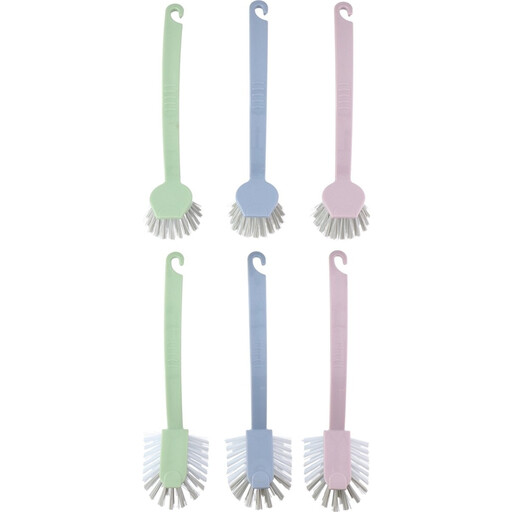
Why it suits this profile: A simple 26 cm plastic brush for everyday washing-up, with no installation or complicated additional features.
The length and plastic material are clearly stated, so you do not have to rely solely on a general claim about convenience.
Plastic construction, 1 piece per pack and a length of 28 cm according to the product specifications.
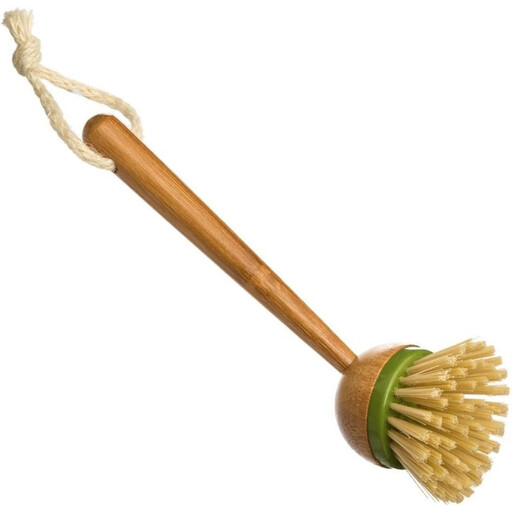
Why it suits this profile: Suitable for anyone looking for a bamboo handle, a compact design and a hanging cord.
The product description specifies the material, dimensions and care instructions. Allow the bamboo brush to dry thoroughly after use.
Bamboo handle, hard bristles, 22 cm length and FSC statement in the product information.
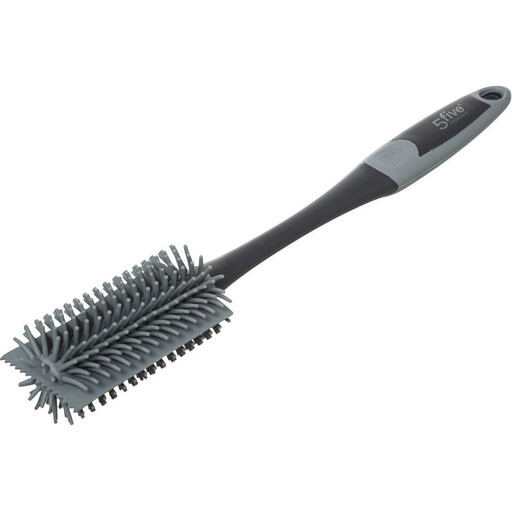
Why it suits this profile: A bottle brush for narrow bottles, tall glasses, thermos flasks and other deep containers.
The 35 cm length and narrow application make it clear that this is not a general-purpose brush for every pan.
Rubber bristles, a scraper at the front, non-slip handle and dishwasher-safe design according to the product description.

Why it suits this profile: Useful for baby bottles, water bottles, thermos flasks, vases and other narrow openings.
The flexible bristles and included stand are designed for narrow containers and allow the brush to dry between uses.
Lightweight 0.04 kg design, flexible bristles and a flat stand for storage and drying.
We have put together a complete, up-to-date list of products that fully meet these strict selection criteria and the applicable European safety regulations.
Rinse the brush with warm water immediately after use and remove any food residue. Then leave it to dry upright or hanging. Check the product information before putting a brush in the dishwasher. It is best to replace a brush with loose or misshapen bristles.
This depends on how often it is used, the type of dirt and the material. Bristles wear out more quickly when scrubbing pans every day than during light washing-up. Look out for loose bristles, a permanently misshapen head or cracks in the handle. There is no fixed replacement interval that applies to every model.
Choose a pot brush or firm washing-up brush with a suitable brush head. Soak baked-on dirt first, so you do not need to apply as much force. Do not use hard bristles on a non-stick coating without checking first; always follow the manufacturer’s warnings and usage advice.
