
Vandaag of morgen in huis

Kwaliteit gegarandeerd

Welkomstaanbiedingen ontgrendelen: GRATIS bezorging | Tot 80% korting | Gratis 30 dagen JoyPlus-proefperiode
Download de app
Choosing washing powder might seem straightforward, but the differences between standard detergent, colour detergent and white detergent really matter for your clothes and your budget. A large box isn’t automatically better value, and a strong scent says little about cleaning performance. What’s more, laundry capsules and liquid detergent may appear more convenient, yet the cost per wash can actually be higher.
In this guide, you’ll discover what to look for in washing powder, how to check marketing claims, and which type best suits your household.
A 9 kg pack looks tempting, but the price per wash depends on the recommended amount. Bingo Matic, for example, states 215 g for moderately soiled laundry and 430 g for heavily soiled laundry. At that dosage, a large pack can run out sooner than you’d expect.
So don’t just compare the weight – also compare:
A colour detergent is designed for coloured fabrics and typically doesn’t contain traditional whiteners. A white detergent, on the other hand, may include oxygen bleach or optical brighteners. That doesn’t automatically make it suitable for dark or brightly coloured clothing.
Always check whether the packaging states the product is suitable for:
Words like mild, natural and eco-friendly can mean different things. Look for verifiable information, such as phosphate-free, an ingredients list, fragrance details and packaging materials. According to the product description, Bingo Matic’s formula is phosphate-free. However, that doesn’t mean it’s suitable for every skin type or every fabric.
For sensitive skin, a hypoallergenic detergent without perfume and dyes may be a more sensible choice. Such a label doesn’t replace personal medical advice, though.
Washing powder for automatic washing machines is designed for the detergent drawer and can be practical for households that regularly run large loads. Powder is often chosen for white laundry and stubborn stains.
Other forms have their own characteristics:
Biotex Hand Wash & Soak, for instance, is intended for hand washing and soaking. According to the product description, it contains active enzymes, but it’s not suitable for wool and silk.
For white laundry, the formulation may include oxygen bleaches, enzymes and optical brighteners. OMO Washing Powder White lists sodium percarbonate, enzymes and optical brighteners among its ingredients. That fits the aim of “cleaning and brightening” white clothes, but not every coloured or delicate fabric.
For colour detergent, look specifically for a colour-protection claim. OMO Color Powder, according to the product information, is intended for coloured laundry and not for wool and silk. Wash dark clothes inside out where possible, and always follow the care label.
A rose or spring-garden fragrance may be pleasant, but perfume ingredients can be a concern for some users. Check the ingredients for fragrance allergens such as citronellol, linalool or hexyl cinnamal.
Neutral Waspoeder White and Neutral Waspoeder Color state 0% perfume and 0% dyes, plus the claims hypoallergenic and dermatologically tested. According to the brand’s product description, these variants are intended for sensitive skin. Still, always check the label, as formulations and warnings can change.
Washing powder is a chemical household product. Store it sealed, in a dry place and out of reach of children. Follow the dosage and safety instructions on the packaging.
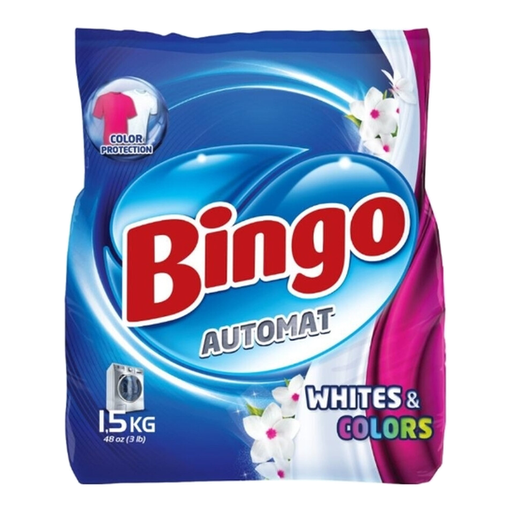
Why this fits the profile: A compact pack for households that want to wash both white and coloured laundry with one product.
The weight and intended use are clearly stated, making it easier to compare with larger packs.
1.35 kg net content, suitable for automatic washing machines and intended for white and coloured laundry.
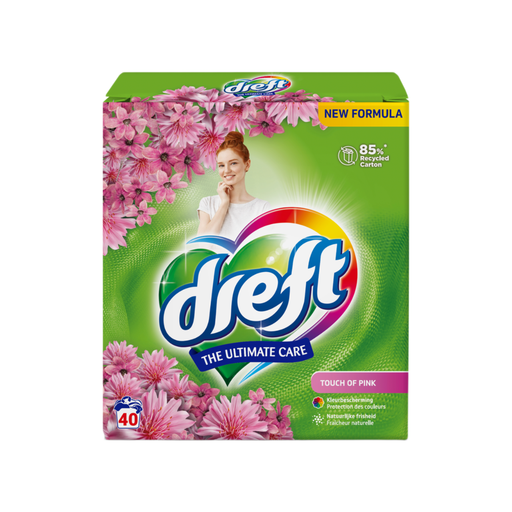
Why this fits the profile: Ideal if colour protection, fibre care and a fixed number of washes matter to you.
The product information states 40 washes, so you’re not relying on weight alone.
2.6 kg net content, 40 washes stated, and according to the product description suitable for white and coloured laundry.
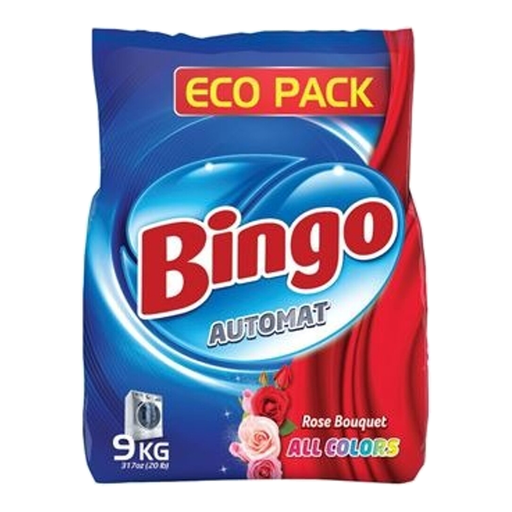
Why this fits the profile: A bulk pack for households that wash frequently and want a scented option for coloured or mixed fabrics.
The dosage for moderately and heavily soiled laundry is stated, so you can estimate usage in advance.
9 kg net content, powder form and according to the product description a phosphate-free formula for automatic washing machines.
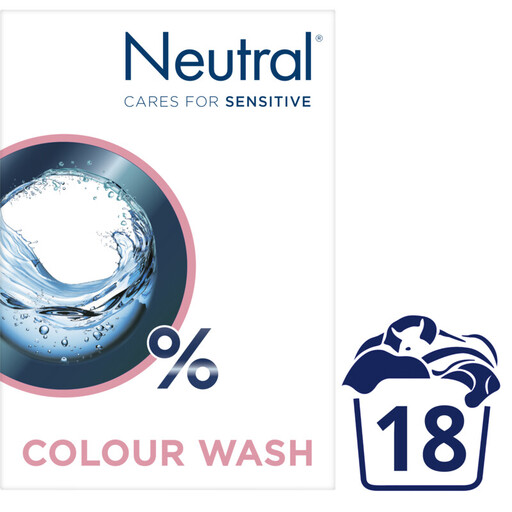
Why this fits the profile: For those who prefer to avoid perfume and dyes when washing coloured clothes.
The product description states 0% perfume and 0% dyes, rather than just a general claim about mildness.
1.188 kg net content, fragrance-free, dye-free and according to the product information hypoallergenic and dermatologically tested.
We’ve put together a full, up-to-date list of products that fully meet these strict selection criteria and comply with current European safety regulations.
That depends on the dosage and the number of washes. Compare the price per wash, not just the price per kilogram. A concentrated liquid detergent or capsule may use less product per wash, while a large pack of washing powder can have a lower purchase price per kilogram.
Choose a white detergent when you mainly wash white cotton, linen or synthetic fabrics. Check whether the formulation contains oxygen bleach or optical brighteners. For coloured clothing, a colour detergent is usually more appropriate. Always follow the care label and temperature instructions.
Use the dosage on the packaging and adjust it according to the load size, level of soiling and water hardness. Too much washing powder can leave residue and increases consumption. Too little may mean stains aren’t tackled properly. For stubborn stains, pre-treating or soaking may be more effective than simply adding extra detergent.
