
Vandaag of morgen in huis

Kwaliteit gegarandeerd

Welkomstaanbiedingen ontgrendelen: GRATIS bezorging | Tot 80% korting | Gratis 30 dagen JoyPlus-proefperiode
Download de app
A pile of laundry that doesn't smell quite fresh, a white T-shirt that comes out of the machine looking grey, or a favourite sweater that's faded after just a few washes. Choosing the right washing powder seems simple—until you're standing in the aisle. The promises on the packaging are often grand, but the results don't always live up to expectations.
As a Joybuy Product Recommendation Officer, I see the challenges consumers face every day. A lot of frustration can be avoided by looking beyond the marketing claims. Let's discuss a few common pitfalls that can cost you money and your clothes.
To avoid a bad buy, it's helpful to pay attention to a few key specifications. This will help you choose a product that suits your laundry and your needs.
The foundation of a good choice is distinguishing between powder for white and coloured laundry.
Witte Reus waspoeder and Omo waspoeder for whites are specifically developed for this.stain remover powder to your wash. These often contain a higher concentration of active ingredients like enzymes or oxygen bleach.The ingredients list tells you a lot about a washing powder's performance and suitability.
washing powder with a mix of enzymes is generally more effective against a wide range of stains.sensitive skin to washing powder, this can be a problem. In that case, opt for a fragrance-free washing powder. Products that are dermatologically tested and hypoallergenic, such as those from Persil waspoeder Non Bio or Neutral, offer a solution here.A washing powder deal might seem like a bargain, but the real cost lies in the price per wash. A bulk pack of washing powder is often cheaper in the long run, provided you use the correct dosage. Check the recommended number of washes on the packaging and divide the price by that number to make a fair comparison.
Based on product specifications, we have selected a few options that cater to different UK households.
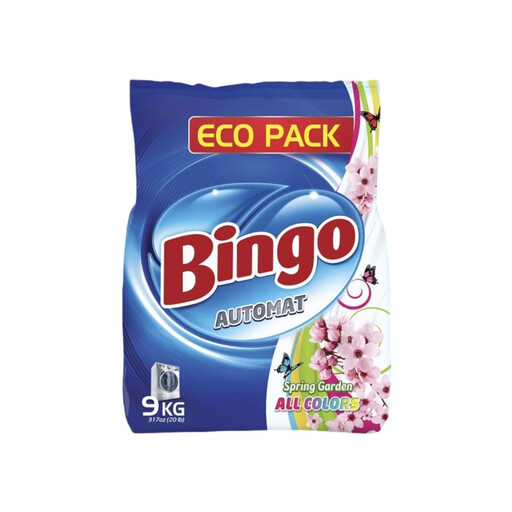
Why This Fits Their Persona: For families with large laundry loads, a bulk pack of washing powder is a smart choice. This 9kg pack is designed for colored laundry and offers a low cost per wash without compromising on cleaning power for everyday dirt.
This product bypasses the "concentration myth" by providing clear dosage instructions for a large, affordable package. You know exactly what you're getting for a large volume of laundry.
9kg bulk pack, ideal for long-term use. The formula is phosphate-free and specifically developed for colored clothing.
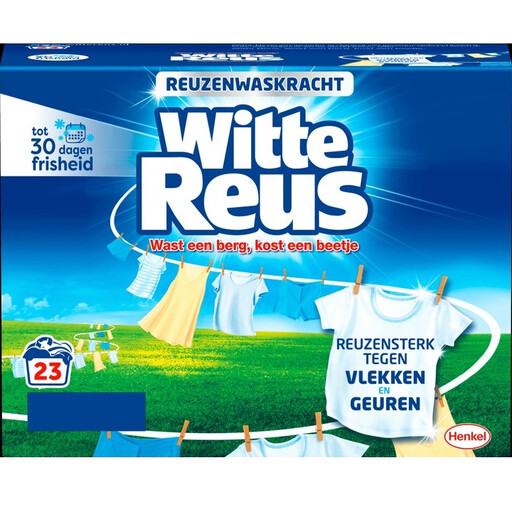
Why This Fits Their Persona: For those who value bright white bedding, shirts, and towels, a specialised washing powder is essential. Witte Reus is a well-known brand that focuses specifically on maintaining and enhancing the whiteness of fabrics.
This product avoids the "universal" pitfall. It's specifically formulated for white laundry and contains ingredients that a universal detergent lacks, preventing your whites from turning grey.
The formula contains anionic surfactants and zeolites, which help remove dirt and prevent limescale buildup, contributing to a whiter result.
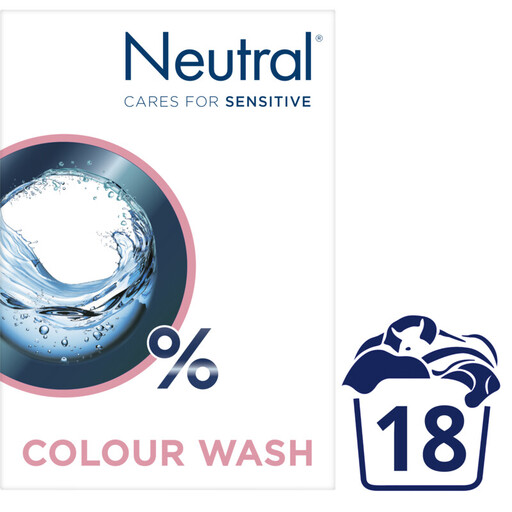
Why This Fits Their Persona: A mild formula is crucial for anyone with sensitive skin, allergies, or for washing baby clothes. This washing powder is specially designed to reduce the risk of skin irritation.
This product tackles the pitfall of harsh ingredients. The formula contains 0% perfume and 0% colorants, significantly reducing the risk of allergic reactions.
The product is hypoallergenic and dermatologically tested. Despite its mild formula, it still contains enzymes to effectively tackle dirt and stains.
We have compiled a complete, up-to-date list of products that meet these selection criteria and current regulations.
The correct amount depends on three factors: the hardness of the water in your area, the size of the laundry load, and how soiled it is. Always consult the dosage chart on the packaging. As a guideline, for an average 4-5 kg load in an area with medium water hardness, about 50-75 grams of powder is often sufficient. Too much powder can leave soap residue, while too little won't get your laundry properly clean.
Both have their advantages. Washing powder is generally more effective on stubborn stains like mud and grass, and is often more economical per wash. It's also a great choice for whites due to the bleaching agents that can be incorporated. Liquid detergent dissolves better at low temperatures and is often gentler on coloured and delicate fabrics. It's a matter of personal preference and the type of laundry you're washing.
It is not recommended to do this regularly. Washing powder for whites often contains bleaching agents that can attack the colours of your laundry over time, causing them to fade. It's not a disaster for a one-off wash, but to preserve your coloured clothing, it's better to use a powder specifically designed for colours.
