Start with a drum capacity that suits your usual laundry, then check whether the programme is right for the material your socks are made from. Load detection can be useful if small washes are often unavoidable, but it doesn’t prove that muddy socks will come out clean. Treat the mud beforehand if needed, and follow the care label.
Who is this choice for?
Hikers who often wash small loads
You regularly do a wash after a walk, but don’t always have enough laundry with the same care instructions to fill the drum. Consumentenbond and Milieu Centraal offer useful guidance on choosing a capacity that suits your usual load.
Hikers with heavily soiled socks
You want to know how to get mud out of your socks without relying on a quick programme or a larger drum. Pre-treating them and choosing a programme that suits the material are important. Bosch recommends using cold water and detergent to tackle mud, then washing the socks.
Hikers with wool socks
You want to remove mud without going against the care instructions for wool or a fibre blend. Check the label on your own socks; Bridgedale’s advice applies to socks from that brand.
What should you look for when washing small loads of muddy walking socks?
Weigh a typical laundry load, read the care label on your socks, then compare suitable programmes and energy labels. On 14 November 2024, Consumentenbond reported that eight out of ten large washing machines it tested failed to clean a cotton wash with a 40% load adequately. That test result doesn’t automatically tell you how every smaller model or sock programme will perform.
| What to consider |
What should you check? |
Which consumers is this for? |
| Removing mud |
Check the programme’s load limit and, if needed, pre-treat mud with cold water and detergent, while following the care label. |
When I wash muddy socks, I want to choose a programme that suits both the level of soiling and the material. Around 31% of consumers put mud removal first. |
| Small loads |
Weigh a typical laundry load and check the maximum load for the programme you want to use. |
When I often wash just a few socks at a time, I want to know whether the drum and programme load are suitable. Around 31% of consumers put small loads first. |
| Care for sock materials |
Read the care label on your socks and check that the machine offers the required temperature and a suitable programme. |
If my socks contain wool, I want to follow the care instructions rather than focusing only on the stain. Around 19% of consumers give textile care top priority. |
| Consumption from repeated washes |
Compare energy labels on a like-for-like basis and dose detergent according to the load, level of soiling and water hardness. |
When I wash regularly, I want to take consumption into account without treating the label as a prediction for every small load. Around 19% of consumers put ongoing consumption first. |
Things to watch out for when buying
-
Don’t choose a machine based on drum size alone
In a Consumentenbond test, eight out of ten large machines tested failed to clean a cotton wash with a 40% load adequately. That result doesn’t automatically apply to every model, programme or type of sock.
Weigh a typical laundry load and, where available, look at test results for smaller loads.
-
Don’t treat the energy label as the consumption for every sock wash
The label information relates to the eco programme. It doesn’t show the consumption of a different programme or load.
Use the label to compare models on a like-for-like basis, but don’t treat it as a consumption promise for a specific small wash.
-
Don’t apply wool-care advice to every sock
Bridgedale’s washing advice applies to socks from that brand. A particular machine function or steam claim doesn’t replace the care label for other socks.
Check the care label first, then choose a temperature and programme within the stated limits.
-
Don’t confuse installation with taking away your old machine
The Dutch government describes the free take-back of a similar old appliance for private use when you buy a new one. This doesn’t automatically mean the new machine will also be installed.
Before buying, check which installation tasks are included and how the seller will take away your old machine.
Brands to compare
AEG
The 6000 ProSense LF628400 is an 8 kg front-loader to consider if you often wash small loads.
- AEG says this model weighs the load and adjusts the washing time, water and energy consumption. It also has a stain treatment option.
- This isn’t independent proof that the model will clean a very small load of muddy socks.
Bosch
The Serie 4 WAN2827GNL is an 8 kg front-loader with features the manufacturer describes as suitable for smaller loads and quicker washes.
- Bosch highlights water savings for smaller loads and its Speed Perfect function.
- The savings and cleaning claims are made by the manufacturer, not based on an independent test of muddy socks.
Miele
The WEA135 WCS 8 kg Active is an 8 kg front-loader with features including CapDosing and AddLoad.
- Miele lists a SoftCare drum, CapDosing and AddLoad for this model.
- A general description of fabric care doesn’t tell you how the model will treat your specific socks or mud stains.
Inventum
The VWM8010W is an 8 kg model to compare if programmes, controls and maintenance are important to you.
- Inventum lists 14 programmes, a favourite setting and drum cleaning.
- Steam-cleaning claims on the product page are made by the manufacturer, not based on an independent test of walking socks.
Joybuy products for small and larger loads
This selection ranges from compact mini washing machines for small sock washes to freestanding washing machines with different capacities and programmes. Check that each machine’s load size and programme are suitable for your socks and their care instructions.
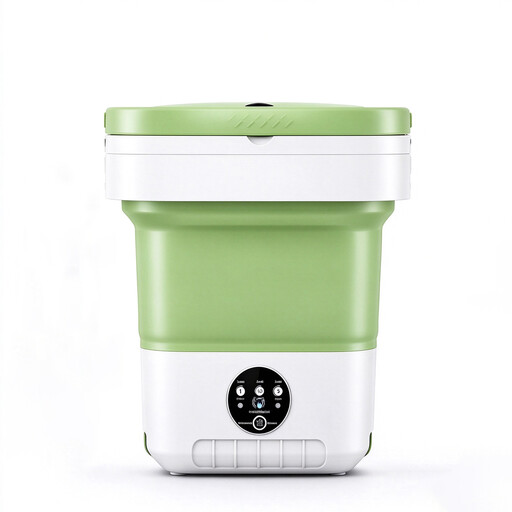 Image unavailable
Foldable mini washing machine, 12 litres, green
Designed for small loads of socks; check that the programme’s load limit is suitable for what you want to wash.
The product title lists a 12-litre capacity and a spin-drying basket.
View at Joybuy
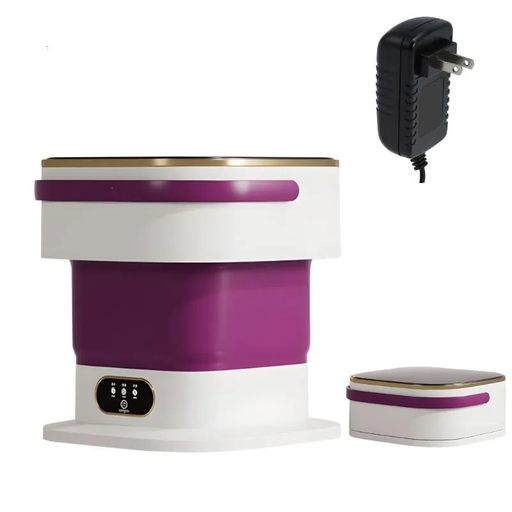 Image unavailable
Foldable mini washing machine, 15 litres, purple
Designed for small loads of socks; before use, check that the load is suitable for your laundry and the programme you’ve chosen.
The product title lists a 15-litre capacity and a spin-drying basket.
View at Joybuy
 Image unavailable
Midea MF110W80BA10/W-NL, 8 kg
A freestanding washing machine for comparing programme options; check that the load and programme you choose are suitable for the care label.
The product title lists an 8 kg capacity, 1400 RPM and 16 washing programmes.
View at Joybuy
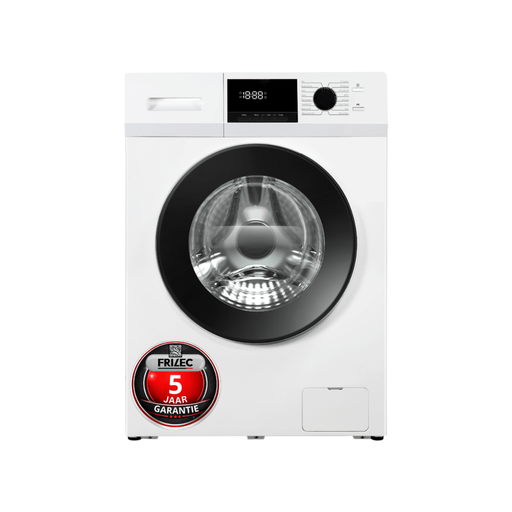 Image unavailable
Frilec KOBLENZ8314WA-342, 8 kg
The product information lists a wool programme. Use it only if your socks’ care label allows machine-washing on a wool programme.
The product title lists an 8 kg capacity.
View at Joybuy
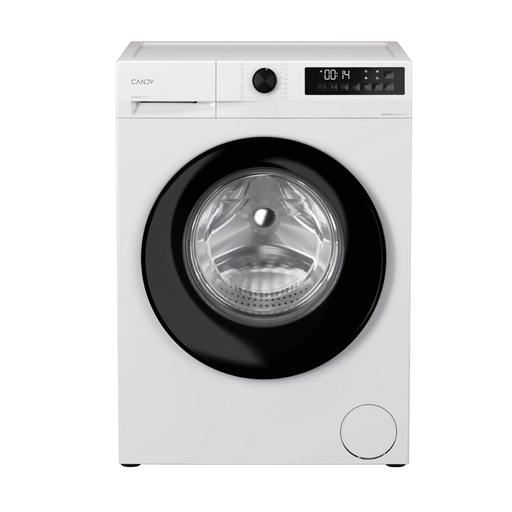 Image unavailable
Candy GD 49B8-S, 9 kg
A freestanding machine with several programmes to compare; check that the programme and load are suitable for your socks.
The product title lists a 9 kg capacity, 16 washing programmes and a spin speed of 1351 RPM.
View at Joybuy
Frequently asked questions
Is a quick programme enough for muddy walking socks?
Not necessarily. Pre-treat the mud if needed and choose a programme that suits both the level of soiling and the care label on your socks. Also check the programme’s permitted load.
Can I wash wool walking socks at 40 °C?
It depends on the care label on your socks. Bridgedale recommends a 40 °C wool programme for its own socks, but this advice doesn’t automatically apply to other brands or fibre blends.
How do you choose the right drum capacity for small loads?
Weigh a typical laundry load and compare it with the machine’s capacity and programme load limit. Consumentenbond found that eight out of ten large machines it tested didn’t clean a cotton wash with a 40% load adequately. This test result isn’t a verdict on every smaller model or sock programme.
How can you avoid using too much detergent for a small load?
Adjust the dose according to the load, how soiled it is and the water hardness in your area. More detergent isn’t automatically better.
What does the EU energy label tell you about a small wash?
The label helps you compare machines on a standardised basis, but it doesn’t predict the consumption of every small wash. The European Commission describes energy classes A to G for household washing machines as applying from 1 March 2021. Milieu Centraal points out that the consumption information on the label relates to the eco programme.


