
Housemates with small loads of laundry
You often wash a few flannels at a time and want to choose a drum that also suits your usual shared laundry. Milieu Centraal recommends choosing a drum capacity that fits your household.


Choose a washing machine based on the amount of laundry you usually wash together, not just the number of flannels: a larger drum is useful only if it suits your usual shared load. Also check the care labels, available programmes and spin noise. A steam programme for freshening clothes is not a substitute for a regular wash with water and detergent, as Consumentenbond explains.
You often wash a few flannels at a time and want to choose a drum that also suits your usual shared laundry. Milieu Centraal recommends choosing a drum capacity that fits your household.
You want to choose a programme that suits the care labels and the circumstances, without treating steam or the eco 40–60 programme name as a hygiene guarantee. Consumentenbond distinguishes between freshening with steam and actually washing clothes.
You consider spin noise, controls and agreements about detergent and maintenance, because several people use the same machine. Consumentenbond points out that noise measurements are not always carried out on the same basis.
Weigh a typical shared load and compare it with the stated capacity. Milieu Centraal and Consumentenbond emphasise that the drum should suit the loads you actually wash.
| What to consider | What should you look for? | Who is this important for? |
|---|---|---|
| Capacity | Weigh a typical shared load and compare its weight with the stated capacity in kilograms. | If we usually wash only a small load, we don’t want to choose a drum that is mainly useful for larger loads. Around 33% of consumers say finding a suitable load size is their main concern. |
| Programme and care label | Check which temperatures and cotton programmes are available and compare them with the care labels. | If I want to know how to wash used flannels according to their care label, I look at the actual programme rather than just a feature name. Around 27% of consumers say choosing a suitable programme is their main concern. |
| Noise and planning | Compare spin noise on the same measurement basis and check the programme duration. | If the washing machine is close to a living or sleeping area, I want to know when it makes noise and how long a wash takes. Around 20% of consumers say noise or machine availability is their main concern. |
| Controls and maintenance | Compare energy-label figures on the same basis and, for automatic dosing, check which settings and maintenance are required. | If several housemates use the machine, I want clear agreements on dosing, refilling and maintenance. Around 20% of consumers say consumption or shared management is their main concern. |
The stated capacity is only useful if it suits the shared loads you usually wash.
Weigh a typical shared load before comparing 7, 8 or 9 kg machines.
A steam programme for freshening clothes is not the same as washing them with water and detergent, as Consumentenbond explains.
Choose a programme that suits the care label. In a specific situation involving an infection, such as scabies, follow the advice from Thuisarts.
Settings, including those for dosage and water hardness, affect how the dosing system works.
Agree who will refill the reservoir and check the settings, or choose manual dosing if that better suits the way you use the machine.
The maximum spin speed alone doesn’t tell you how noisy a machine is during the spin cycle.
Compare noise figures measured on the same basis and agree on suitable times for doing the washing.
The Dutch Serie 2 front-loading range includes the 7 kg WGE02406NL and the 8 kg WGE03408NL. These are separate models for different typical load sizes.
The Dutch 7000 ProSteam L73FR86N4V is an 8kg model with PreciseWash and UniversalDose.
The WW80CGC04AAEEN is a Dutch 8 kg model with Ecobubble.
The Dutch WEG888 WCS PWash&TDos&Steam has a stated capacity of 9 kg and automatic dosing.
This selection ranges from a compact mini washing machine for small items to front-loaders with a stated capacity of 7 to 9 kg. Compare the capacity with your usual shared load. A mini washing machine is not automatically a replacement for a regular washing machine.
 No image available
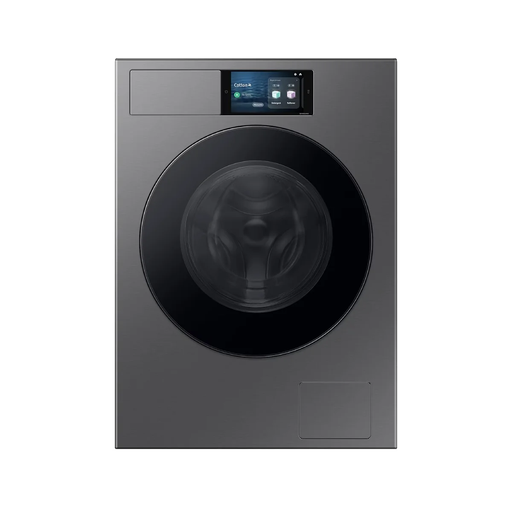
This model is worth comparing if you and your housemates regularly wash larger shared loads.
Stated capacity: 9 kg.
The product name lists 1400 rpm, automatic dosing and a steam function.
The product information mentions automatic load detection and a 15-minute programme.
 No image available
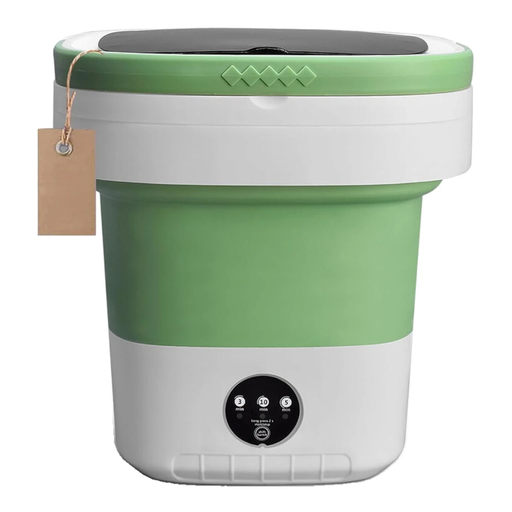
This compact model is worth comparing for small items when you don’t need to use a regular shared washing machine.
Stated capacity: 12 L.
The product description mentions a foldable design and a separate spin basket.
 No image available
This front-loader is worth comparing if you regularly wash shared loads of this size.
Stated capacity: 8 kg; the product information lists 1400 rpm and a spin noise level of 72 dB.
The product description mentions 16 programmes, including cotton, and a 15-minute wash option.
Extra rinsing and a delayed end time are also listed.
 No image available
This front-loader is worth comparing if your usual shared load fits in a smaller drum.
Stated capacity: 7 kg; the product information lists 1400 rpm and energy rating C.
The description mentions 15 programmes, a half-load option and a spin noise level of 76 dB(A).
 No image available
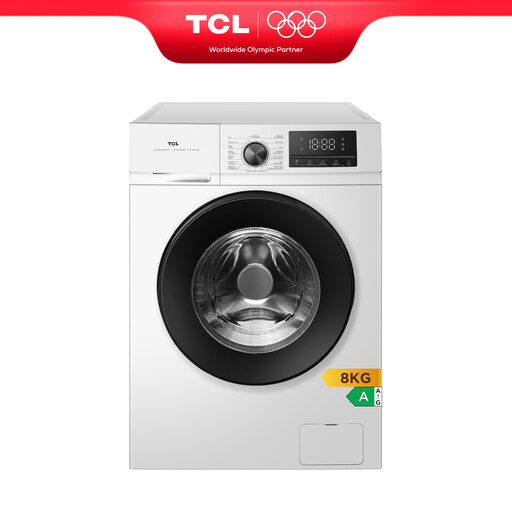
This front-loader is worth comparing if you regularly wash shared loads of 8 kg.
Stated capacity: 8 kg; the product information lists a BLDC motor and 1400 rpm.
The description mentions a Quick 15 programme and a drum-cleaning programme.
The product information also lists a steam wash function. Check what it is designed for and don’t treat it as a replacement for a regular wash.
No, 60 °C isn’t a general requirement for every flannel: check the care label first. Milieu Centraal gives examples of situations where washing at 60 °C may be advisable. Thuisarts’ specific advice about used towels when dealing with scabies applies to that particular situation, not as a general buying requirement.
No. The European Commission describes eco 40–60 as a programme name for normally soiled cotton laundry that can be washed at 40 or 60 °C according to its care label. The name alone does not prove that a specific hygiene instruction has been followed.
Since 1 March 2021, the EU energy label for household washing machines has used a scale from A to G. The European Commission lists energy consumption, programme duration and noise among the information provided. Compare current labels for the exact models on the same basis.
Follow the instructions for your chosen model and check that the available space and connections are suitable. Bosch recommends removing the transit bolts when connecting the machine and checking the water supply for leaks afterwards.
For a consumer purchase, the retailer must provide a solution. According to the Dutch government, the Netherlands does not have a fixed statutory two-year guarantee period; what you can reasonably expect depends on factors including the product and the information provided. A paid extended warranty does not replace your statutory rights.
Agree who will measure out the detergent and carry out maintenance, and follow the model’s maintenance instructions. Milieu Centraal recommends, among other things, running a wash at 60 °C once a month to help prevent residue and unpleasant smells in the machine.