Start with the care label and work instructions: you shouldn’t simply wash protective clothing or workwear that may be contaminated using a domestic hygiene or steam programme. If domestic washing is permitted, compare the drum capacity with your usual load and check the dimensions, positioning and spin noise in the shared space. A larger drum isn’t automatically more efficient for small loads; the energy label describes the eco 40-60 programme, not every wash programme.
Who is this buying guide for?
People who wear protective workwear
Check the garment’s cleaning instructions first; choosing a machine programme comes afterwards. Arboportaal explains that protective clothing can be personal protective equipment and must be treated in accordance with its use and care instructions.
People using a shared laundry room
You need a machine that fits the available space and stands securely, without causing unnecessary disturbance through vibration or spin noise. Consumentenbond discusses noise levels when comparing washing machines, while Bosch Nederland recommends placing the machine on a stable surface.
People who wash workwear regularly
Choose the drum capacity and programmes to suit the loads you actually wash. Consumentenbond lists capacity and suitable programmes as factors to consider; Milieu Centraal points out that a larger machine only uses less energy per kilo when the drum is properly filled.
What should you look for when buying?
| What to consider |
What to look for |
Who is this important for? |
| Permitted cleaning method |
Check the care label and the relevant garment and work instructions before choosing a domestic wash programme. |
If you wear protective clothing, you’ll first need to know which cleaning method is permitted. Around 36% of consumers say cleaning instructions are their main purchase priority. |
| Space, vibration and noise |
Measure the space for the machine and the access route; compare spin noise and make sure the machine is placed securely and level. |
Sharing a laundry room means considering the space available and other people who may be disturbed by vibration or noise. Around 29% of consumers put shared space first. |
| Capacity for your load |
Match the load capacity to your usual washing loads and check the maximum load for the programme you choose. |
If you wash workwear regularly, you’ll want a drum that suits the amount you usually wash together. Around 21% of consumers prioritise load size. |
| Energy use and aftercare |
Compare energy use on the same eco 40-60 basis; consult the manual for other programmes and check the service terms. |
If you do regular washes, you’ll want to consider energy use and who to contact if something goes wrong. Around 14% of consumers focus first on running costs and aftercare. |
Common pitfalls
-
Assuming a hygiene or steam programme means you can wash any workwear
For protective clothing, the permitted cleaning method and the preservation of its protective properties depend on the applicable instructions. A programme name alone doesn’t prove that the treatment is suitable.
First check which washing method is specified on the garment’s care label and in the relevant work and care instructions.
-
Measuring only the width of the machine
The delivery route, space for the door and hoses, and the connections also determine whether the appliance can be installed where you want it. Incorrect or unstable installation can cause vibration.
Measure the route and the full space available, and check the model’s installation instructions before you order.
Depending on the space, adjustments may be needed; if the machine doesn’t fit, the location you chose may not be usable.
-
Assuming a larger drum and an A energy rating automatically mean lower costs per workwear wash
A larger machine isn’t automatically more efficient for a small load. What’s more, the energy label is based on eco 40-60 and doesn’t give energy-use figures for other programmes.
Choose a capacity that suits your usual load and compare label figures on the same programme basis.
Brands to consider
Bosch
The Serie 6 front-loader WGG244ZONL is a 9 kg model you can use to compare capacity and installation dimensions.
- Bosch lists dimensions of 845 × 598 × 588 mm and a 9 kg capacity for this model.
- Check that these dimensions work with your available space, connections and delivery route.
LG
The F4X1009NWB is a 9 kg front-loader you can compare for programmes and features for everyday washable clothing.
- LG lists Steam and an Allergy Care programme for this model.
- A programme name or manufacturer claim doesn’t prove that the machine is suitable for protective clothing or workwear contaminated through occupational use.
Beko
The B3WM4841W2 is an 8 kg alternative to consider if you usually wash smaller loads or need to keep an eye on depth.
- Beko lists an 8 kg capacity, a depth of 55 cm and a spin noise level of 76 dBA for this model.
- The Hygiene+ programme alone doesn’t prove that the machine is suitable for protective workwear or workwear that may be contaminated.
Samsung
The WW90CGC04AAEEN is a 9 kg model you can compare for dimensions and programme use alongside its energy label.
- Samsung lists dimensions of 600 × 850 × 550 mm and an A energy rating for this model.
- The energy label doesn’t give a general energy-use rating for every other programme.
Miele
The WEB375 WPS PWash&8kg is an 8 kg model you can compare for programmes and maintenance options.
- Miele lists an 8 kg capacity, 1400 revolutions per minute and QuickPowerWash.
- A programme’s name alone doesn’t tell you how it will perform on every type of workwear; check the relevant washing instructions.
Washing machines at Joybuy
This selection includes domestic front-loaders for everyday workwear that can be machine-washed according to its care label. For protective clothing or workwear that may be contaminated, always follow the relevant garment and work instructions first.
 Image unavailable
Bosch WGB2440BFG Serie 8, 9 kg
A 9 kg model to consider if you wash larger or regular loads and also want to be able to wash smaller loads using a separate programme.
Front-loader with 1400 rpm and an A energy rating. The product information lists Mini Load and programmes for items including wool and delicates.
Only use this machine for protective clothing or workwear that may be contaminated if the relevant garment and work instructions permit domestic washing.
View at Joybuy
 Image unavailable
Midea MF110W80BA10/W-NL, 8 kg
An 8 kg front-loader to compare if you want the available wash programmes to suit the loads you usually wash.
The product name lists 1400 rpm and 16 wash programmes; the product information also mentions an extra rinse and prewash.
Only use this machine for protective clothing or workwear that may be contaminated if the relevant garment and work instructions permit domestic washing.
View at Joybuy
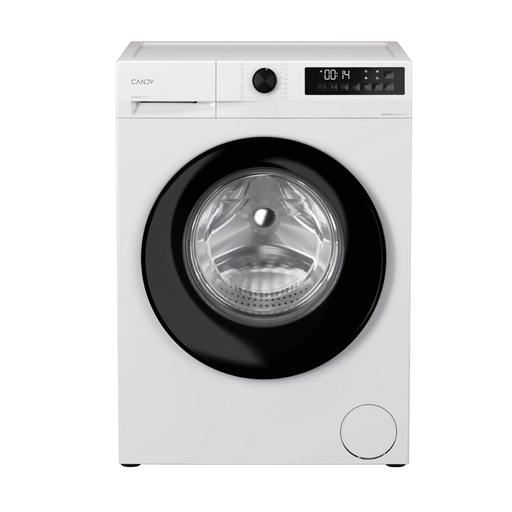 Image unavailable
Candy GD 49B8-S, 9 kg
A 9 kg model to compare if you regularly wash larger loads and want the option to set a delayed start or finish time.
The product information lists 1351 rpm, 16 programmes and a delayed start or finish time of up to 24 hours.
Only use this machine for protective clothing or workwear that may be contaminated if the relevant garment and work instructions permit domestic washing.
View at Joybuy
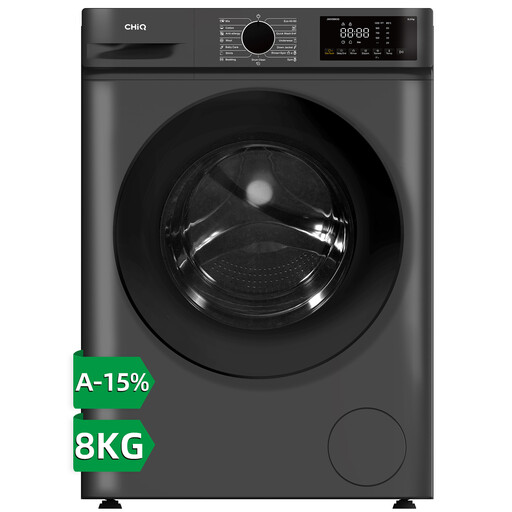 Image unavailable
CHiQ JW85883G, 8 kg
An 8 kg front-loader to compare if the available depth and programmes for different fabric types are important to you.
The product information lists 1400 rpm, 16 programmes and a cabinet depth of 52 cm.
Only use this machine for protective clothing or workwear that may be contaminated if the relevant garment and work instructions permit domestic washing.
View at Joybuy
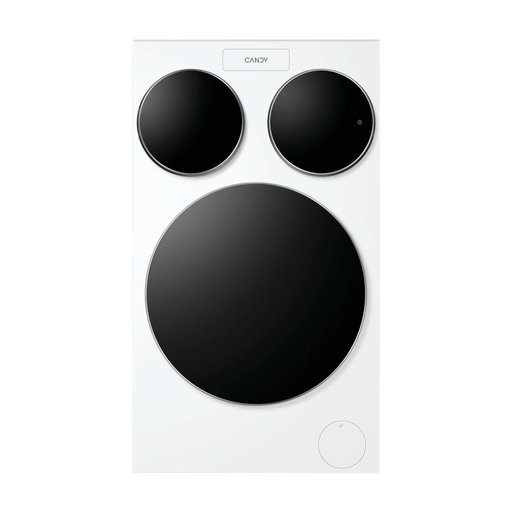 Image unavailable
Candy MQD 410CBL9-S, three drums, 10+1+1 kg
This model is worth comparing if you want to wash different loads separately or at the same time; check that its dimensions fit in your shared space.
The product information lists three drums with a capacity of 10+1+1 kg and separate programmes for items including sportswear and delicates.
Only use this machine for protective clothing or workwear that may be contaminated if the relevant garment and work instructions permit domestic washing.
View at Joybuy
Frequently asked questions
Can I simply wash protective clothing or workwear that may be contaminated in a shared washing machine?
No. Don’t rely solely on the word ‘washable’ or on a hygiene programme. Protective clothing may be personal protective equipment with specific use and care instructions. If there’s a possibility of exposure to biological agents, check the relevant work and garment instructions to find out which cleaning method to follow before using a shared domestic machine.
What should I check before installing a machine in a shared space?
Measure the access route and the space for the machine, door and hoses, and check the connections and the stability of the floor. Before using the machine, remove the transit bolts and level the appliance in accordance with the installation instructions.
Does an A energy rating mean a short or intensive workwear programme is just as efficient?
No. The washing machine label is based on eco 40-60 and doesn’t give energy-use figures for other programmes. Consult the manual if you want to assess the energy use of another programme.
What are my rights in the Netherlands if a washing machine I’ve bought breaks down too soon?
If you’ve used the product normally and it doesn’t meet what you could reasonably expect, the retailer is responsible under the statutory guarantee for providing an appropriate solution free of charge. This doesn’t mean every washing machine has a fixed statutory guarantee period of two years; ACM ConsuWijzer explains that the assessment depends on what you could reasonably expect from the product.
Does the retailer have to take away my old washing machine?
When you buy a new, similar appliance as a private consumer, the retailer must take back your old appliance free of charge. According to the Dutch government, the old-for-new scheme also applies to online purchases, but not to equipment owned by businesses.


