
Someone who regularly has dirty workwear
You wash workwear often and are looking for a programme that follows the garment care label. The care instructions provided with personal protective equipment are also important, as Arboportaal explains.


Choose a drum capacity that suits the loads your housemates actually wash each time, and only use programmes that follow the garment care label and any workplace instructions. Then compare factors such as spin noise, dimensions, leak protection and energy and water consumption. A larger drum is not automatically useful if you usually wash small, separate loads. Energielabel.nl explains that the label values apply to eco 40-60 and do not predict the consumption of other programmes.
You wash workwear often and are looking for a programme that follows the garment care label. The care instructions provided with personal protective equipment are also important, as Arboportaal explains.
You agree whether to wash clothes together or separately, and choose a drum capacity to suit each load. Milieu Centraal offers guidance on capacity for households; when a machine is shared, the actual amount of laundry is still what matters.
You want to take account of noise during the spin cycle and the risk of leaks affecting other rooms. The Consumentenbond recommends placing the machine on a firm, level and stable surface.
| What to consider | What should you check? | Who is this important for? |
|---|---|---|
| Washing workwear appropriately | Check the garment care label and workplace or care instructions; compare the permitted programmes and temperatures. | If I want to know which programme suits my workwear, I first follow the care label and workplace instructions. Around 25% of consumers put choosing an appropriate wash first. |
| Capacity per wash | Compare the drum capacity with the loads your housemates actually wash together, and allow for clothes that need to be kept separate. | If we combine our laundry, I want enough room without choosing an unnecessarily large drum. Around 25% of consumers prioritise shared capacity. |
| Noise at home | Compare the stated spin noise and measure the available space; make sure the machine is placed firmly and level. | If the utility room is close to bedrooms, I want to keep noise to a minimum. Around 20% of consumers make peace and quiet for their housemates a priority. |
| Energy and water use | Compare kWh per 100 cycles and water use on the same label basis; check the programmes you use often separately. | If we share the running costs, I want to be able to compare consumption on a like-for-like basis. Around 20% of consumers prioritise shared energy and water costs. |
| Space and leak protection | Measure the machine, the clearance around it and the access route; check what type of leak protection it has. | If the machine is in a shared building, I want to make sure it fits and take potential water damage into account. Around 10% of consumers make placement and leak protection their main consideration. |
The number of people living together does not tell you how much laundry goes in each time. The size of the loads and whether you agree to wash together or separately determine whether extra capacity is useful.
Make a note of the usual individual and shared loads before choosing a drum capacity.
Energielabel.nl explains that the label is based on eco 40-60; those values do not show the consumption of other programmes.
Compare label values on the same basis, and check the manual for programmes you use often.
A programme name does not tell you whether a domestic washing machine is suitable for personal protective equipment or clothes that may be contaminated with hazardous substances.
Always follow the garment, workplace and care instructions first. Arboportaal explains that personal protective equipment is supplied with instructions for use, storage and care.
Leak protection varies from one machine to another, and a leak can affect other rooms in the home.
Compare the specific system and consider where the machine will be placed. Also check what delivery and installation include.
A leak can cause damage beyond the utility room.
Bosch Netherlands lists a 9 kg capacity and a maximum spin speed of 1400 rpm for the Serie 6 WGG244FNNL.
Beko lists a 9 kg capacity, 1400 rpm and spin noise of 72 dBA for the B5WFU69436, as well as a hygiene programme.
Siemens lists a 9 kg capacity, aquaStop and dimensions of 845 × 598 × 590 mm for the iQ500 WG44J209NL.
Samsung lists a 9 kg capacity, an A energy rating and SmartThings AI Energy Mode for the WW90CGC04AAEEN.
Miele lists a 9 kg capacity, automatic dosing and QuickPowerWash for the WER875WPS.
These models are intended for domestic washing of workwear that can be machine-washed at home according to its care label and any workplace instructions. For personal protective equipment and clothes that may be contaminated with hazardous substances, always follow the relevant instructions first.
 No image available
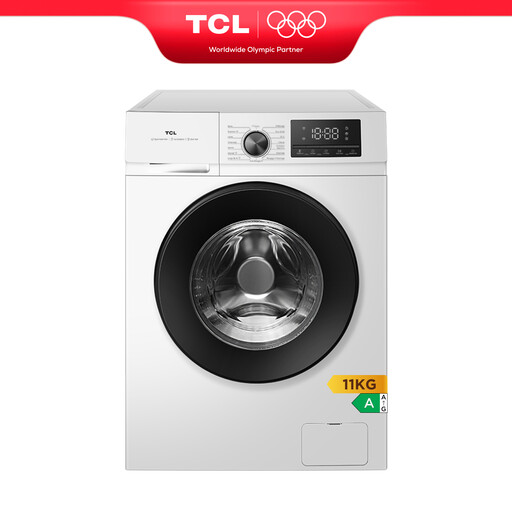
The stated capacity may suit you if your housemates regularly combine larger loads.
The Joybuy product listing mentions a BLDC inverter motor, Quick 15' and a feature that lets you add laundry during a cycle. The product name states energy class A.
 No image available
The capacity may suit shared washes if 8 kg is right for your usual loads.
The Joybuy product listing mentions 1400 rpm, 16 programmes, Quick 15', a delay end function, AquaStop, 42 kWh per 100 cycles and spin noise of 72 dB; the product name states energy class A. The product instructions say not to put hot, flammable items such as oil-soiled workwear in the drum.
 No image available
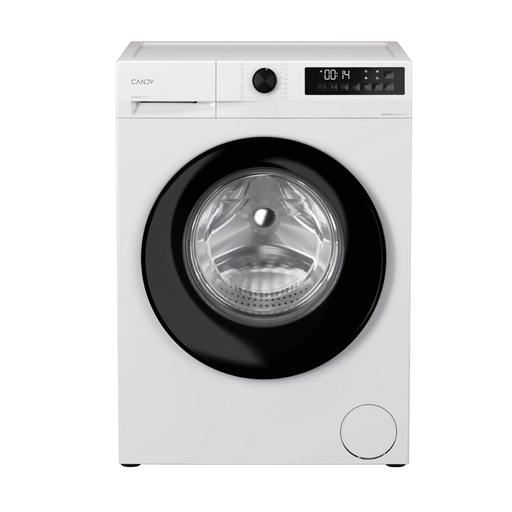
The capacity may suit housemates who regularly wash larger loads together.
The Joybuy product listing mentions 16 programmes, short cycles from 14 minutes, 40 kWh per 100 eco 40-60 cycles and spin noise of 69 dB(A). The product name states 1351 rpm and energy class A.
 No image available
This capacity may suit you if 8 kg matches the loads your housemates wash together.
The Joybuy product listing mentions 16 programmes, short cycles from 14 minutes, 33 kWh per 100 eco 40-60 cycles and spin noise of 69 dB(A). The product name states 1351 rpm and energy class A.
 No image available
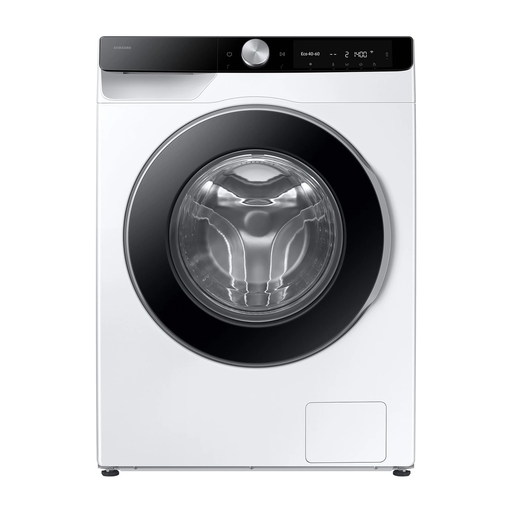
The capacity may suit you if your housemates combine larger loads and the selected programme is suitable for the clothes.
The Joybuy product listing mentions SuperSpeed for 5 kg in 39 minutes, along with programmes for cotton, synthetics and wool. The product name states 1400 rpm and energy class A.
No. ‘Washable’ does not automatically mean that washing at home is suitable for every work situation. Follow the care instructions supplied with personal protective equipment, as well as your employer’s instructions. If the clothes may be contaminated with hazardous substances, first follow workplace procedures to determine how they should be treated; a domestic hygiene programme is not blanket permission to wash them at home.
No. According to Energielabel.nl, the temperature in this programme does not exceed 40 °C, and the label says nothing about the consumption of other programmes. Choose a programme that follows the garment care label and any workplace instructions.
Measure the space and delivery route, check the connections, and make sure the machine is placed firmly and level. Ask in advance whether delivery, connection and removal of the old machine are included.
If you make a claim under the Dutch statutory guarantee, the retailer is your point of contact. The Rijksoverheid explains that the Netherlands does not have a fixed statutory guarantee period of two years; what you can expect from a product depends, among other things, on the product and normal use.
Yes. The Rijksoverheid describes the energy label for household appliances as a compulsory information label. For washing machines, it also includes information about water use.