First, measure the available width and depth, as well as the space needed to open the machine. Then choose a drum capacity that suits the towels and other laundry you usually wash together. The Consumers’ Association describes a top-loader as a narrower option, while a shallower front-loader may work if depth is the main constraint. Compare spin noise levels too, and bear in mind that the energy label does not show the consumption of every individual programme.
Who is this choice relevant to?
Someone with a narrow laundry space
You have limited width or not much room in front of an outward-opening door, so you’re comparing top-loaders and front-loaders based on the dimensions that matter in your space. The Consumers’ Association points out that you should also allow room for hoses, the door and ventilation.
Someone who washes small loads of towels
You want to wash towels without choosing an unnecessarily large drum for your usual load. Milieu Centraal recommends choosing a machine to suit your household and filling the drum properly.
Someone living in a noisy flat
You’re mindful of spin noise and vibrations, and want to be able to position the machine securely and level. Energielabel.nl’s information shows the noise level during the spin cycle; the Dutch Government advises discussing neighbour noise issues with, for example, a landlord or residents’ association.
What should you look for when choosing?
Narrow top-loader
Best suited to: spaces where width or clearance in front of the machine is limited, as long as you can open the lid freely from above. Whirlpool Netherlands lists the TDLR 6261BS BE as 40 cm wide, with a 6 kg capacity.
Bear in mind: you’ll need to keep the top accessible, so it can’t be used as a work surface.
Shallower front-loader
Best suited to: spaces with around 60 cm of available width but limited depth. Candy lists the CO4474TWM6/1-S as 454 mm deep, with a 7 kg capacity; Beko lists the BM3WFU3741W as 49.6 cm deep, also with a 7 kg capacity.
Bear in mind: the stated appliance depth doesn’t automatically include the extra installation space needed for connections and the door.
Standard front-loader
Best suited to: spaces and doorways that are large enough, especially if you regularly wash larger loads as well as towels. The Consumers’ Association gives around 60 cm as the usual width of a front-loader.
Bear in mind: larger external dimensions or a bigger drum may be impractical if you usually wash small loads. Milieu Centraal notes that a larger machine’s environmental benefit per kilo is lost if you don’t fill it properly.
| What to consider |
What should you check? |
Who is this important for? |
| Will the machine fit, and can you open it? |
Measure the exact model’s width, height and depth. Leave room for hoses and to open the door or lid. The Consumers’ Association also recommends allowing space for ventilation. |
If the alcove is tight, I want to be sure the machine will fit and that I can open the door or lid. Around 33% of consumers give placement the highest priority. |
| Is the capacity right for your towel washing? |
Compare the capacity with your usual loads, and check the care labels if you wash towels with other laundry. |
I want a drum that suits the towels and other laundry I usually wash together. Around 27% of consumers prioritise having the right capacity. |
| How much noise and vibration does it produce? |
Compare the stated spin noise level on the energy label and check that you can position the machine securely and level, as instructed in the manual. |
In a noisy flat, I want to take noise and vibration into account before choosing where to put the machine. Around 20% of consumers give peace and quiet at home the highest priority. |
| What do energy use and aftercare involve? |
Compare kWh per 100 washes and water consumption on the same labelling basis. Check the manual for programmes you use often, and read the retailer’s warranty information. |
I want to compare energy use on a like-for-like basis and know where to turn if something goes wrong later. Around 20% of consumers prioritise running costs and aftercare. |
Common buying mistakes
-
Looking for ‘narrow’ without checking which dimension is smaller
A top-loader may be narrower, while a compact front-loader may be shallower. So the word ‘narrow’ alone doesn’t tell you whether a model will fit your space.
Compare the exact model’s width, height and depth, and leave room for connections and to open the door or lid.
-
Assuming a bigger drum is automatically more efficient
According to Milieu Centraal, a larger machine’s environmental benefit per kilo is lost if you don’t fill it properly. So a larger capacity won’t necessarily suit your usual small loads of towels.
Choose a capacity based on the loads you can actually wash together, not just the maximum capacity.
-
Using the energy label as a guide to consumption for every programme
The label information is based on the eco 40-60 programme and doesn’t automatically show the consumption of a shorter or hotter programme.
Compare labels on the same basis and check the manual for programmes you use often.
Brands and models to consider
The dimensions and specifications listed are manufacturer figures for the models named; they are not an independent comparison of every product from each brand.
Whirlpool
The TDLR 6261BS BE is a top-loader for a narrow laundry space.
- Whirlpool Netherlands lists this model as 40 cm wide, with a 6 kg capacity and a spin speed of 1200 rpm.
- You’ll need to keep the top clear to open the lid. The Consumers’ Association reports on the top-loaders it tested in general; this isn’t an assessment of this specific model.
Candy
The Smart Pro Inverter CO4474TWM6/1-S is a front-loader for anyone looking for a shallower machine.
- Candy lists this model’s dimensions as 600 × 454 × 850 mm (width × depth × height), with a 7 kg capacity and energy rating A.
- The stated depth doesn’t automatically include the extra installation space needed for connections. The manufacturer’s claims about programmes and speed are not an independent comparison.
Beko
The BM3WFU3741W is a 7 kg front-loader for a space with around 60 cm of available width.
- Beko lists this model as 60 cm wide and 49.6 cm deep, with a spin noise level of 76 dBA.
- Beko’s EnergySpin claims are based on a comparison described by Beko; they are not an independent comparison with other brands.
Bosch
The Serie 6 WGJ234A9NL is a larger front-loader for anyone who also regularly washes bigger loads.
- Bosch Netherlands lists an 8 kg capacity and dimensions of 845 × 598 × 590 mm (height × width × depth).
- Its capacity and external dimensions may be impractical if space is limited or you usually wash small loads. Bosch’s statements about additional features are manufacturer claims.
Washing machines at Joybuy
This selection includes front-loaders for standard installations and a shallower option, with a range of capacities. Measure the space available and choose a capacity that suits your usual laundry loads.
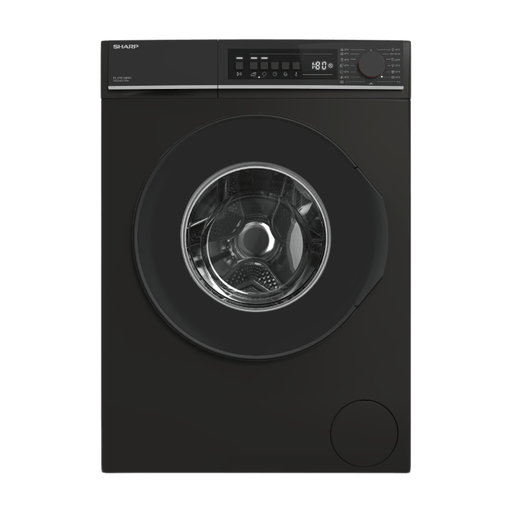 Image unavailable
SHARP ESNFB714BBNACB, 7 kg, 1400 rpm, energy rating A
A front-loader to consider if you wash towels with other laundry and are looking for a 7 kg capacity.
The product name lists 1400 rpm, energy rating A, an inverter motor and a black finish.
View at Joybuy
 Image unavailable
Beko BM3WFU3741S, 7 kg, 1400 rpm, energy rating C
A front-loader to compare if you’re looking for a 7 kg capacity for towels and other laundry.
The product name lists 1400 rpm, energy rating C, 15 wash programmes and a silver finish.
View at Joybuy
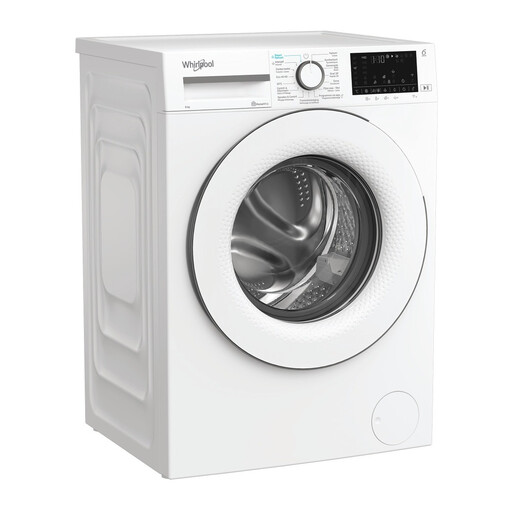 Image unavailable
Whirlpool WAM 87W BE, 7 kg, 1200 rpm
An option to compare if you’re looking for a 7 kg capacity for towels washed together with other laundry.
The product name lists 1200 rpm and a white finish.
View at Joybuy
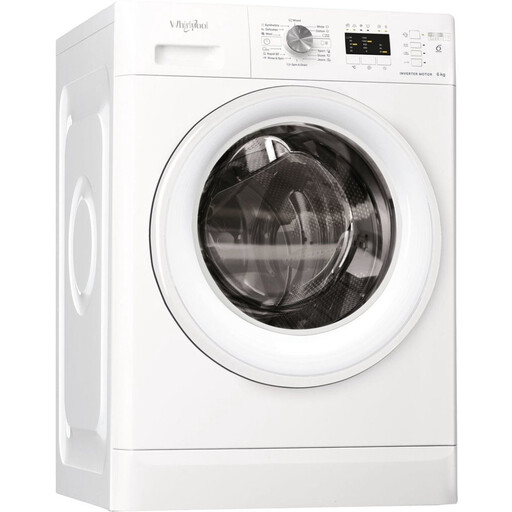 Image unavailable
Whirlpool FFL 6238 W EE, 6 kg, 1200 rpm
A front-loader to consider if a 6 kg capacity better suits your usual towel loads.
The product name lists 1200 rpm and a white finish.
View at Joybuy
 Image unavailable
TCL FF1006WB0, 6 kg, 45 cm deep
A shallower front-loader to compare if depth is limited and a 6 kg capacity suits your laundry.
The product name also lists Auto Weight, a BLDC inverter motor, Steam Wash and a 15-minute quick wash programme. Check that the connections and door clearance fit within the available space.
View at Joybuy
Frequently asked questions
Do towels always need to be washed at 60 °C?
No, not as a rule. Milieu Centraal says that in most cases towels don’t need to be washed at 60 °C to get clean. Always follow the care label too, and choose a programme that suits the laundry and the circumstances.
What should you check before putting a washing machine in your flat?
Measure the width, height and depth at several points, and leave room for hoses and for the door or lid to open. Check the installation instructions for the exact model, and make sure the machine is stable and level as instructed in the manual.
What does energy rating A mean for quick towel washes?
Energy rating A doesn’t tell you how much every quick or other programme uses. The energy label compares machines based on eco 40-60; check the manual for consumption information about the programmes you use.
In the Netherlands, do you still have rights after two years if your washing machine breaks down prematurely?
Possibly. The Dutch Authority for Consumers and Markets’ ConsuWijzer explains that your statutory guarantee isn’t automatically limited to two years: if a product used normally breaks down sooner than you could reasonably expect, the retailer must put things right under the applicable conditions. The outcome depends on the product, the fault and the circumstances.


