
For anyone who washes towels every week
You wash towels alongside your usual weekly laundry and want a drum suited to your typical sorted loads. Milieu Centraal and Consumentenbond stress that the capacity should suit the loads you usually wash.


Choose the load capacity based on the weight of your usual sorted laundry and the space your towels take up. A larger drum is not automatically more efficient if you usually only fill it part-way. Check the care label for each fabric type and the permitted load for each programme, then compare energy and water figures on the same Eco 40-60 basis, as explained by Consumentenbond, Milieu Centraal and the European Commission.
You wash towels alongside your usual weekly laundry and want a drum suited to your typical sorted loads. Milieu Centraal and Consumentenbond stress that the capacity should suit the loads you usually wash.
As well as cotton towels, you wash delicate or synthetic clothes. Check the care labels and the permitted load for each programme. Consumentenbond and the European Commission explain the relevant differences between programmes and laundry types.
You need to be able to install the machine in the space available while still having enough capacity for your usual laundry. Consumentenbond also recommends considering other types of appliance if space is limited.
Start by weighing a typical sorted load and checking the care labels. Then check the space available for installation and compare consumption figures on the same label basis.
| What to consider | What should you check? | Who is this important for? |
|---|---|---|
| Load capacity | Weigh a typical load and compare it with the maximum cotton load and the machine’s dimensions. | If I wash towels regularly, I want a capacity that suits those loads as well as my usual weekly laundry. Around 31% of consumers prioritise a suitable load capacity. |
| Programmes for different fabrics | Compare the permitted load for each programme and follow the care labels. Delicates and synthetics need a smaller load than cotton. | When I wash different fabrics, I want to be able to choose the right treatment for each item. Around 25% of consumers prioritise suitable programmes for different fabrics. |
| Energy and water consumption | Compare kWh per 100 cycles and water per cycle on the same Eco 40-60 basis, and check whether you actually use that programme. | If I do laundry every week, I want to compare energy and water figures on a like-for-like basis. Around 19% of consumers prioritise consumption when washing regularly. |
| Installation and noise | Measure the width, height and depth, and check the space needed for the door, hoses and connections. Where relevant, compare the noise figure on the energy label. | When space for installation is limited, I want to know whether the machine will fit and be practical to use. Around 13% of consumers prioritise installation and noise. |
| Purchase, installation and aftercare | Check what is included with delivery and installation, and distinguish your statutory rights from any additional warranty terms. | If I need help with installation or clear aftercare terms, I want to be able to compare these in advance. Around 12% of consumers prioritise purchase and aftercare. |
The stated maximum load capacity applies to cotton. A machine that is usually only part-full is not necessarily an efficient choice; load detection does not adjust consumption in exact proportion to the load.
Weigh a typical sorted load and choose extra capacity only if you regularly wash larger loads.
With typically small loads, a larger drum can cancel out the intended benefit per kilo.
The energy label figures are based on Eco 40-60 and do not necessarily show the consumption of every other programme.
Compare label figures on the same basis, then look at the programmes that suit your care labels and usage.
Your actual consumption may differ if you usually use other programmes.
A washer-dryer can save space, but the choice looks different if you dry clothes regularly. According to Milieu Centraal, a separate washing machine and tumble dryer use less energy together than a washer-dryer.
If you have the space, compare two separate appliances as well, taking your actual washing and drying habits into account.
A washer-dryer may use more energy than two separate appliances, according to Milieu Centraal.
An additional warranty may come with its own terms and conditions. It is separate from your statutory rights against the retailer; the Dutch government states that the Netherlands has no fixed statutory warranty period.
Read the additional terms and keep your purchase details. If a product is faulty, report the problem to the retailer.
The examples below refer to specific models and product ranges; they do not automatically apply to every model from a brand.
The BM3WFT3841W is an 8 kg front-loading washing machine with a mixed-fabric programme. It is worth comparing if you are looking at a capacity of around 8 kg and different programme options.
The Serie 6 WGG244FONL is a 9 kg front-loading washing machine for anyone who regularly washes larger sorted loads.
The F4WR3509S0W is a 9 kg front-loading washing machine with automatic detergent dosing.
The WW90DG6U85LEU3 is a 9 kg front-loading washing machine with AI Wash and automatic dosing.
The WEA128 WCS 8kg Active is an 8 kg front-loading washing machine with AddLoad. It is worth comparing if you are weighing up this capacity against larger models.
These Joybuy products are selected to help you compare capacity and design for towels and your usual weekly laundry. Compare the drum capacity with the loads you have weighed, and bear in mind that delicate and synthetic programmes may require smaller loads.
 No image available
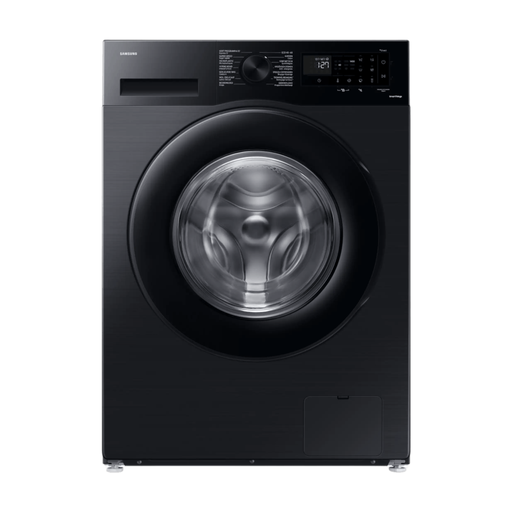
The 11 kg capacity is worth considering if you regularly wash large cotton loads; compare it with your usual laundry loads.
The product name also lists 1400 rpm and energy class A.
The maximum load capacity applies to cotton; allow for a smaller programme load when washing delicates and synthetics.
 No image available
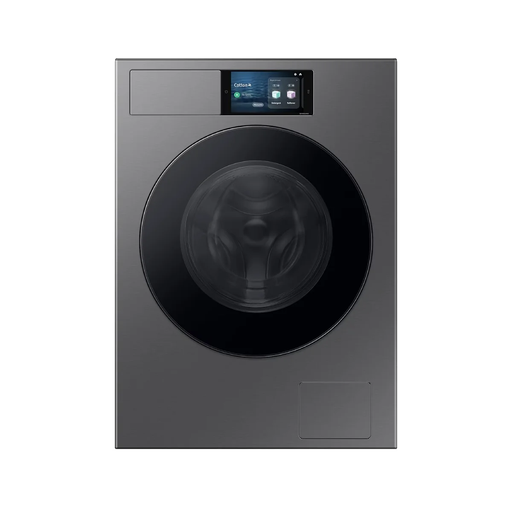
The 9 kg capacity is worth comparing with your sorted towel and weekly laundry loads.
The product name lists 1400 rpm and energy class A-55%.
The maximum load capacity applies to cotton; allow for a smaller programme load when washing delicates and synthetics.
 No image available
Compare the 9 kg capacity with the size of your usual sorted loads.
The product name also lists 1400 rpm and energy class A.
The maximum load capacity applies to cotton; allow for a smaller programme load when washing delicates and synthetics.
 No image available
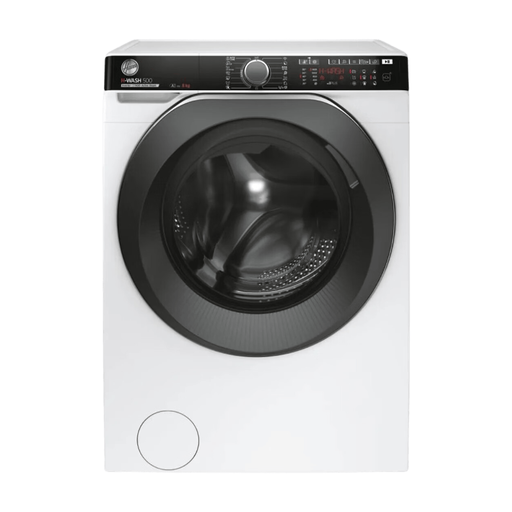
The 8 kg capacity is worth considering if your usual sorted loads are generally smaller than those suited to the larger drums in this selection.
The product name also lists 1400 rpm.
The maximum load capacity applies to cotton; allow for a smaller programme load when washing delicates and synthetics.
 No image available
The 8 kg capacity gives you a comparison point if you want the drum size to suit your usual laundry and towel loads.
The product name lists energy class A-10% and 1400 rpm.
The maximum load capacity applies to cotton; allow for a smaller programme load when washing delicates and synthetics.
No. According to Milieu Centraal, towels usually do not need to be washed at 60 °C. Follow the care label and choose a suitable programme for cotton laundry that is normally soiled. For certain hygiene situations, such as a baby having a stomach infection, washing at 60 °C may be advisable.
No. The European Commission describes Eco 40-60 as a programme for normally soiled cotton that can be washed at 40 °C or 60 °C according to its care label. It is not a general recommendation to wash delicate fabrics in the same load; follow the care labels and programme instructions.
Follow the instructions for the model you have bought. Bosch recommends, among other things, a stable surface, accessible water supply and drainage, and an earthed socket. Remove the transit bolts before use and check the connections for leaks.
Follow the detergent dosing instructions and leave the door and detergent drawer open to dry after washing. Consumentenbond also recommends checking the door seal and filter regularly, and running a hot 60 °C programme for maintenance; Eco 40-60 is not the same choice for this purpose.
No. According to the Dutch government, the Netherlands has no fixed statutory warranty period: a product must meet what you can reasonably expect from it. If a product is faulty, contact the retailer; an additional manufacturer’s warranty does not replace this right.