
People who wash small loads
Do you wash towels after a weekend away, but rarely have a full drum during the week? Milieu Centraal and the Consumers’ Association recommend choosing a drum capacity that suits the loads you usually wash.


Choose a washing machine based on the loads you usually wash, not just the extra towels from one weekend. A large drum that is often underfilled isn’t automatically the right choice. Normally soiled towels usually don’t need to be washed at a high temperature; if you have a specific hygiene requirement, choose a programme that suits it and follow the care label. Also compare the maximum load for quick programmes, the energy label and the full space required for installation.
Do you wash towels after a weekend away, but rarely have a full drum during the week? Milieu Centraal and the Consumers’ Association recommend choosing a drum capacity that suits the loads you usually wash.
Do you have a particular reason to wash towels differently from usual? Choose a temperature and programme that suit your needs, and follow the care label.
Do you want to get your washing done quickly, or are you fitting the machine into a tight space? Check the programme’s maximum load and duration, as well as the machine’s full dimensions and the space needed for connections.
Milieu Centraal and the Consumers’ Association recommend choosing a drum capacity to suit your usual laundry load. Then consider the programmes, energy use and the space available for the machine.
| What to consider | What should you check? | Who is this important for? |
|---|---|---|
| Drum size for small loads | Compare the capacity with your usual washing load, and check the maximum load for the programme you want to use. | If I have extra towels after a weekend away but usually wash small loads, I want to choose a drum size based on what I normally wash. Around 31% of consumers prioritise drum size. |
| Programme for specific hygiene requirements | Check the care label, temperature and programme description. The Consumers’ Association notes that Eco 40-60 has a set temperature that you can’t adjust yourself. | If there’s a specific reason to wash towels differently, I want to choose a suitable programme without overlooking the fabric care label. Around 25% of consumers prioritise this. |
| Energy and water use | Compare the consumption figures on the energy label. Energielabel.nl explains that these don’t automatically show the consumption of other programmes. | If I use the machine regularly, I want to take ongoing electricity and water use into account when choosing. Around 19% of consumers prioritise running costs. |
| How quickly the washing will be done | Check the programme duration, suitable fabrics and maximum load for the exact model. A quick programme isn’t necessarily suitable for a full drum. | If I need the towels again quickly, I want to know what size load the short programme can handle. Around 13% of consumers prioritise speed. |
| Space and connections | Measure the installation space, doorways and room for hoses. Also check the water supply, waste outlet and socket. | If the space or access is tight, I want to know in advance whether the machine will actually fit. Around 12% of consumers give the greatest weight to installation space. |
The amount of washing you usually do matters more than a one-off peak. A large drum that’s often not filled properly won’t automatically be more efficient per kilogram.
Think about a typical week’s washing and check the maximum load for the programmes you plan to use.
The name doesn’t guarantee a 60 °C wash. The Consumers’ Association notes that this programme has a set temperature. What’s more, normally soiled towels usually don’t need to be washed at a high temperature.
If you have a specific hygiene requirement, choose a suitable programme and follow the care label.
The delivery route, space for hoses and a stable floor also determine whether the machine can be installed.
Measure the route and check the connections in advance. Ask what’s included with delivery and installation. Follow the model’s instructions and remove the transit bolts before use.
The BM3WFT3841B1 is an example of a front-loading machine with an 8 kg capacity and an extra-rinse option.
The Serie 4 WAN2827GNL is an 8 kg model for which Bosch lists its dimensions and options for smaller loads.
The iQ300 WM14N27TNL is an 8 kg model with options listed by Siemens for shortening programmes.
The WW80CGC04AAHEN is an 8 kg model with app features you can include in your comparison.
The WEA135 WCS 8kg Active is a front-loading machine. You can also consider whether the option to add items during a programme would be useful.
These are freestanding models for everyday laundry, as well as the occasional load of towels. Compare the drum capacity with what you usually wash, and check the programmes and dimensions to make sure they suit your needs.
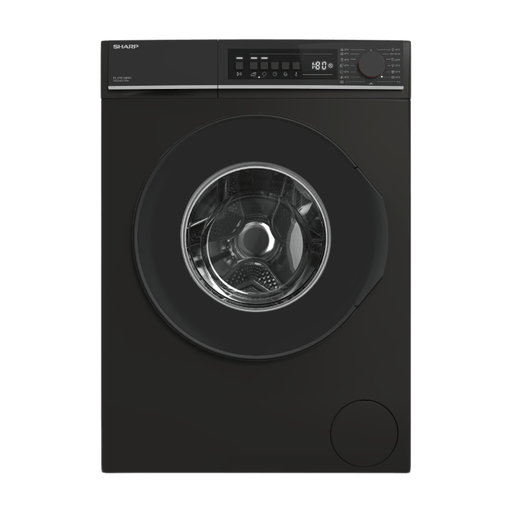 No image available
Compare the 7 kg capacity with the loads you usually wash, not just the extra towels from one weekend.
The product title lists 1400 rpm, an A energy rating and an inverter motor. The product description identifies it as a freestanding front-loader.
 No image available
Use the 8 kg capacity as a starting point for comparison with your usual laundry load and the maximum load for the programme you choose.
The product listing gives an A energy rating, 1400 RPM, 16 programmes, an extra-rinse option and a 15-minute programme.
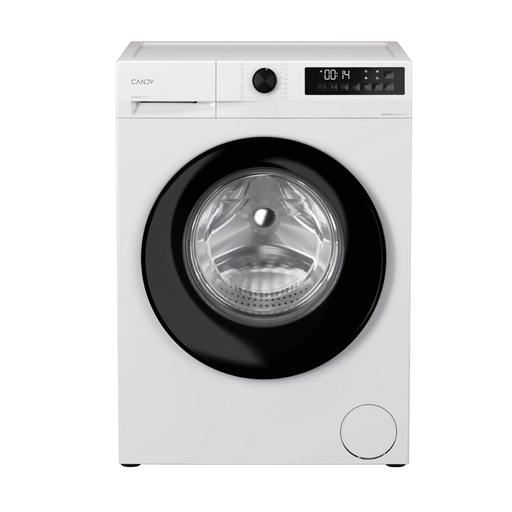 No image available
Check that a 9 kg drum suits the loads you wash regularly. You don’t automatically need a larger capacity for a one-off load of towels.
The product listing gives an A energy rating, 1351 RPM, 16 programmes and quick cycles from 14 minutes. The stated dimensions are 850 × 595 × 601 mm.
 No image available
Compare the 8 kg capacity with the amount of washing you normally do, and check the maximum load for a quick programme separately.
The product listing gives an A energy rating, 1351 RPM, 16 programmes and quick cycles from 14 minutes. The stated dimensions are 850 × 595 × 601 mm.
 No image available
Compare the 7 kg capacity with your usual load, and check that the quick programme you want to use can handle it.
The product listing gives a C energy rating, 1400 rpm and 15 programmes, including Mini14 and Hygiene+. Energielabel.nl explains that the energy label doesn’t automatically show the consumption of other programmes.
Usually not. Milieu Centraal says towels generally come clean at a lower temperature, although a hotter wash may be suitable in specific circumstances. Follow the care label and don’t rely on the name Eco 40-60 alone.
The Dutch washing machine label shows information including energy use per 100 cycles, water use, capacity and spin noise. Energielabel.nl states that the figures are based on Eco 40-60, so the label doesn’t automatically show the consumption of a different or shorter programme.
Measure the installation space, access routes and connections, and make sure the floor is stable. Follow the model’s instructions and remove the transit bolts before use. Ask in advance what’s included with delivery and installation.
In the Netherlands, there’s no set statutory guarantee period that applies to every product. What you can expect in terms of lifespan depends on the product and the circumstances. If a product is faulty, contact the seller. The Dutch government also states that, when you buy a similar new appliance, the shop must take back your old one. If it’s being delivered online, agree the practical arrangements for handing over the old appliance.