Choose a washing machine with a cotton load capacity that suits your usual pile of towels as well as the smaller loads you wash during the rest of the week. If you need the towels again quickly, compare programme length and spin performance too. A larger drum or higher maximum spin speed alone won’t guarantee faster drying.
Who is this advice for?
Anyone with a pile of towels after the weekend
You want to wash the bath towels you’ve collected in a suitable cotton programme, but you also run smaller loads in between. So compare the cotton load capacity, drum space and door opening. Consumentenbond and Milieu Centraal emphasise that the drum capacity should suit the load.
Anyone who needs their towels again quickly
If you want to use your towels again soon or put them in the tumble dryer after washing, programme length, permitted load size and spin performance are important points to compare. Consumentenbond assesses washing machines on factors including spin performance.
Anyone with limited space for a washing machine
Your choice depends on the available space, access to it and the connections. Measure the space and check what water protection the model has; Consumentenbond explains how water protection can help prevent leaks and water damage.
What should you look for when buying?
Start by weighing a typical dry load of towels and comparing it with the cotton load capacity. Then look at programme length and spin performance if you need to use the towels again soon, and finally check energy and water use and practical installation requirements.
| What to consider |
What should you look for? |
Who is this important for? |
| Suitable load capacity |
Weigh a representative dry load and compare it with the stated cotton load capacity; also consider the drum space and door opening. |
If I want to wash my weekend pile in one suitable load, without choosing a drum that’s too large for everyday laundry, capacity is my first concern. Around 33% of consumers prioritise having the right capacity. |
| Towels ready to use again |
Compare the programme length and permitted load size of the programme you want to use. Also check spin performance, especially if the washing is going into the tumble dryer afterwards. |
When I need my towels again quickly, I want to know whether the programme suits my load and how damp the towels will be afterwards. For around 27% of consumers, how soon items can be used again comes first. |
| Running costs |
Compare figures on the same energy-label basis, and remember that consumption figures for eco programmes don’t automatically apply to every programme. |
If I use the machine during the week too, I want to factor in ongoing electricity and water use as well as the purchase price. Around 20% of consumers say running costs are their main purchasing concern. |
| Installation and water protection |
Measure the space and access, check the connections and look at the water protection. Find out what delivery and installation include. |
With limited space or connections, I first need to make sure the machine can be installed and is right for my situation. For around 20% of consumers, installation space is the deciding concern. |
Common pitfalls
-
Choosing the largest drum for one unusually large weekend load
The stated load capacity applies to a cotton wash. A large capacity won’t necessarily be right if your usual loads are much smaller; load detection doesn’t automatically make a consistently oversized drum the right choice.
Weigh a typical dry load and compare it with the cotton load capacity, drum space and door opening. Consumentenbond and Milieu Centraal recommend choosing a drum capacity that suits your laundry.
-
Assuming a quick programme or high spin speed means dry towels
The actual programme length, permitted load size and spin performance all affect what to expect after washing. The maximum spin speed alone doesn’t tell you how dry every load will come out of the machine.
Check the length and load capacity of the programme you want to use. Compare spin performance especially if the towels are going into the tumble dryer afterwards; Milieu Centraal recommends using the highest spin setting in that case.
If your towels are still damp after washing, they may take longer to dry.
-
Looking only at the purchase price
The machine also uses energy and water while it’s running, and delivery or installation may need to be arranged separately. Energy-label figures are based on specific tests and don’t automatically describe every programme.
Compare energy labels on the same basis and check what’s included with delivery and installation. The European Commission outlines the applicable EU requirements for energy labelling and ecodesign for washing machines.
Brands to compare
Beko
The Serie B3WM4841W2 is an example of an 8kg front-loading machine to compare if you’re weighing up a cotton load against smaller everyday washes.
- Beko lists an 8 kg load capacity, a maximum spin speed of 1400 tpm and an extra-rinse option for this model.
- These are the manufacturer’s specifications; they don’t independently confirm how well the machine will wash or rinse your load.
Bosch
The Serie 2 WGE03408NL is an 8kg front-loading machine to compare with other models offering a similar load capacity.
- Bosch lists an 8 kg load capacity and a maximum spin speed of 1400 tpm for this model.
Siemens
The iQ500 WG44G2ZWNL is a 9kg model to consider if you also regularly wash larger loads outside your weekend laundry.
- Siemens lists a 9 kg load capacity, a maximum spin speed of 1400 tpm, dimensions of 845 × 598 × 590 mm and aquaStop for this model.
- A larger load capacity doesn’t prove that smaller loads will be washed better; measure the available space too.
AEG
The 6000 ProSense LR63864 is an 8kg model to compare if you want to weigh up capacity, spin speed and stated eco consumption.
- AEG lists a maximum spin speed of 1600 tpm and 47 kWh per 100 eco cycles for this model.
- The maximum spin speed doesn’t guarantee a particular drying result for every load.
Washing machines at Joybuy
This selection includes freestanding front-loading machines with different load capacities, for anyone looking to match their weekend laundry to the drum as well as to their everyday washes.
 No image available
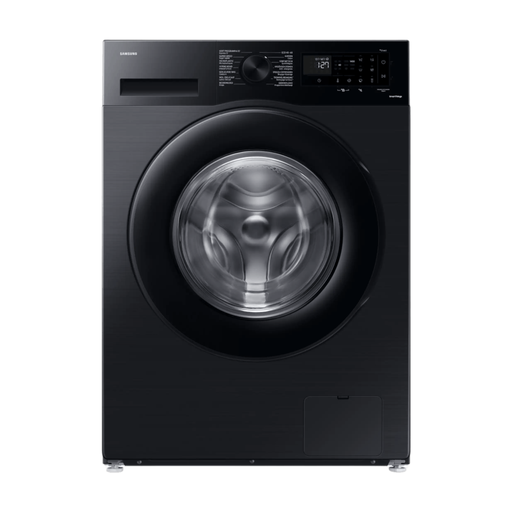
Samsung WW1UDG5B25ABEN, 11 kg
Compare this higher load capacity if you have a large weekend load; also consider whether you can fill the drum suitably for everyday washes.
The title lists an 11 kg load capacity and a maximum spin speed of 1400 tpm. The product description mentions a SuperSpeed programme that washes 5 kg in 39 minutes.
View at Joybuy
 No image available
Samsung WW90DG6U25LE, 9 kg
Compare the 9 kg capacity with your usual dry load of towels and the smaller loads you wash during the week.
The title lists a 9 kg load capacity and a maximum spin speed of 1400 tpm. The product description mentions a SuperSpeed programme that washes 5 kg in 39 minutes.
View at Joybuy
 No image available
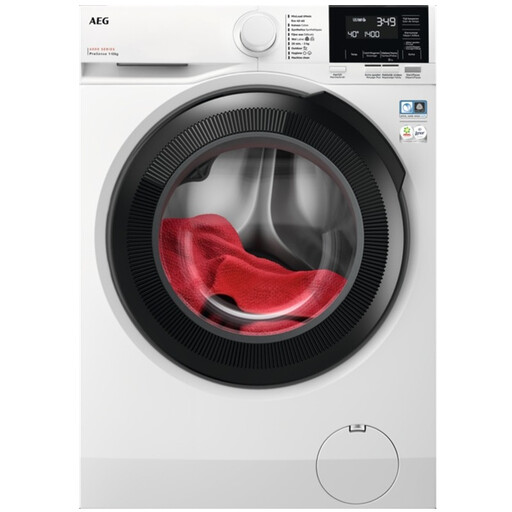
AEG LR63R144, 10 kg
See whether the 10 kg capacity suits your weekend pile and is also a good fit for the smaller loads you wash at other times.
The product title lists 10 kg and a maximum spin speed of 1400 tpm. The product information mentions TimeSave Plus and 51 kWh per 100 Eco 40-60 cycles.
View at Joybuy
 No image available
AEG LR73R862, 8 kg
An 8 kg capacity is worth comparing if you’re looking for a medium-sized load; check how it matches the weight of your dry towels.
The product title lists 8 kg and ProSteam. Check the model specifications for the programme length and spin speed that matter for your choice.
View at Joybuy
 No image available
AEG LF61R840, 8 kg
Compare the 8 kg capacity with your weekend load and the drum size you need for everyday laundry.
The product title lists 8 kg and ProSense. Check the model specifications for the spin speed and programme length you need.
View at Joybuy
Frequently asked questions
Should you always wash everyday bath towels at 60 °C after a weekend away?
No, 60 °C is generally unnecessary for normally soiled towels. Milieu Centraal notes that there are exceptions when a hot wash may be advisable; also follow the care label and don’t treat a specific hygiene situation as an everyday wash.
Why isn’t eco 40-60 automatically the best programme for my towels?
The programme is designed for normally soiled cotton that can be washed at 40 °C or 60 °C according to the care label. Consumentenbond reports that detergent may not rinse out well enough in its tests of this programme, so factor in programme length and rinsing when making your choice.
What should I check before installing a washing machine?
Measure the space and access, check the connections and make sure you have a flat, stable surface. Follow the instructions for removing the transit bolts and find out what delivery and installation include.
What can I do if my new washing machine develops a fault?
In the Netherlands, the seller must provide a solution if there’s a problem with the product, according to the Dutch government’s information on the legal guarantee. Compare any additional warranty with your existing rights before paying for it.
What energy rules apply to a new washing machine?
Household washing machines are covered by EU energy-labelling and ecodesign rules, as described by the European Commission. The energy label helps you compare models on a common basis; these rules don’t create a separate registration requirement for buyers.


