
Hygiene-conscious washer
You wash used tea towels and want to select a genuine 60 °C programme, rather than relying on the name Eco 40-60. The Netherlands Nutrition Centre recommends washing used tea towels at 60 °C.


Start by checking whether the exact model has a separately selectable 60 °C programme; the name Eco 40-60 alone is no guarantee. Then choose a drum capacity that suits your usual washing, measure the available space including hoses and door clearance, and don’t compare energy labels with the consumption of a 60 °C wash.
You wash used tea towels and want to select a genuine 60 °C programme, rather than relying on the name Eco 40-60. The Netherlands Nutrition Centre recommends washing used tea towels at 60 °C.
You combine small tea towel washes with other household washing and want a drum capacity that suits these different loads. The Consumers’ Association recommends matching capacity to your needs.
Your choice also depends on the available space, connections and the potential consequences of a leak. Measure the space and compare the water protection offered by the exact model.
The Netherlands Nutrition Centre recommends washing used tea towels at 60 °C; the Consumers’ Association suggests using a standard 60 °C cotton programme or a hygiene or allergy programme. Check the settings on the exact model, and make sure the drum also suits your other washing and the available space.
| What to consider | What should you check? | Who is this important for? |
|---|---|---|
| Washing at 60 °C | Check the manual to see whether a suitable programme can be set separately to 60 °C. | I want to be able to wash used tea towels at 60 °C, and consider this more important than a low Eco figure; around 36% of consumers prioritise hygienic washing of tea towels. |
| Drum capacity | Compare the load capacity with the total loads you usually wash. | If small tea towel washes alternate with larger household loads, the drum needs to suit both; around 29% of consumers prioritise being able to handle different load sizes. |
| Space and water protection | Measure the space and doorway; check there is room for hoses and connections, and find out what type of water protection the machine has. | In a cramped utility room, or somewhere a leak could cause significant damage, the dimensions and specific protection features matter; around 21% of consumers prioritise safe installation. |
| Consumption and additional services | Compare energy labels on a like-for-like basis and check which delivery, connection and removal services are included. | I want to compare energy and water consumption and know in advance which services are included with installation; around 14% of consumers prioritise running and additional costs. |
The programme name doesn’t confirm that you can use a separately selectable 60 °C cycle for this wash.
Before buying, check the programme settings for the exact model and look at the care labels on your tea towels too.
The machine should also suit the other household washing you plan to do in it.
Compare the load capacity with your usual total loads, not just the number of tea towels.
Connection may be a separate service. The Consumers’ Association recommends asking about installation costs in advance.
Check which tasks are included with delivery and arrange for your old machine to be removed or taken away.
Depending on the retailer, connection and other installation services may involve extra time or costs.
The BM3WFT3841W is a freestanding front-loading washing machine with an 8 kg load capacity and a stated depth of 54,6 cm.
According to AEG, the AEG LF628400 is a front-loading washing machine with an 8 kg load capacity and a depth of 57,7 cm.
According to Bosch, the Bosch Serie 6 WGG244ZONL has a 9 kg load capacity and measures 845 × 598 × 588 mm.
According to Siemens, the Siemens iQ300 WM14N07CNL has an 8 kg load capacity and measures 845 × 598 × 590 mm.
These washing machines are options for household laundry as well as tea towels. For each exact model, check whether a suitable programme can be set separately to 60 °C; the product information here doesn’t confirm this.
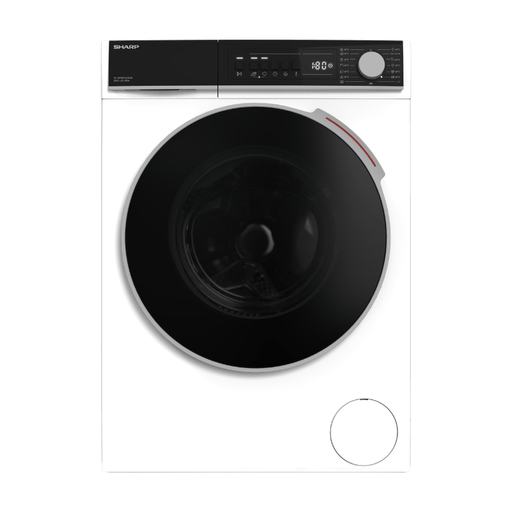 Image unavailable
The stated capacity may suit you if you’ll also use the machine for regular household laundry; for tea towels, check separately whether it has a selectable 60 °C programme.
8 kg load capacity; 1400 rpm; energy rating A according to the product name.
 Image unavailable
The stated capacity is worth considering if the machine will handle other household loads as well as tea towels; check that this exact model has the 60 °C programme you want.
8 kg load capacity; 1400 rpm; 16 washing programmes according to the product name.
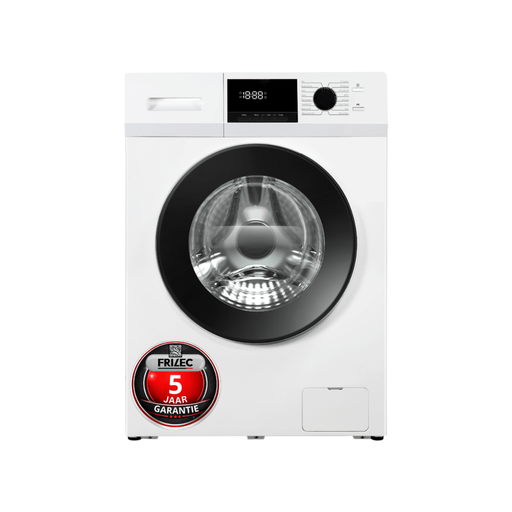 Image unavailable
A stated drum capacity of 8 kg may suit households that wash other items too; check separately whether the exact model offers a selectable 60 °C setting.
8 kg load capacity according to the product name.
 Image unavailable
The stated capacity may suit you if you’ll wash more than just tea towels; check the settings on the exact model before choosing it for a 60 °C wash.
8 kg load capacity; 1351 rpm; energy rating A according to the product name.
 Image unavailable
The stated capacity may suit households with varied loads; for the tea towel wash you have in mind, check whether the exact model has a separately selectable 60 °C programme.
8 kg load capacity; 1400 rpm; energy rating A according to the product name.
Don’t rely on the name alone: check whether the exact model has a separately selectable 60 °C programme. The Netherlands Nutrition Centre recommends washing used tea towels at 60 °C; the Consumers’ Association suggests a standard 60 °C cotton programme or a hygiene or allergy programme. Also follow the care labels on your tea towels.
Measure the available space and follow the installation manual for the water supply, drainage, electrical connection and levelling. Also check that there’s room for the hoses and an open door, and compare the machine’s water protection with the potential consequences of a leak where you plan to install it.
Yes, household washing machines must carry an energy label. The EU label uses a scale from A to G and includes details such as energy consumption per 100 cycles and water consumption per cycle. Check the label for the exact model, and bear in mind that these figures don’t directly show the consumption of every 60 °C wash.
The Consumers’ Association recommends running a genuine 60 °C programme regularly and leaving the drum and detergent drawer to dry after use. Also check the filter and door seal, and follow the care instructions for your model.
In the Netherlands, there is no fixed statutory warranty period; your rights depend on the circumstances and what you can reasonably expect from the product. When you buy a new, similar machine, the retailer must take the old one away free of charge under the old-for-new scheme. Arrange the practical handover when delivery is booked.