
Washing after meals
If your tablecloths get stained after a meal, you’ll want to choose a programme that suits their care labels and how soiled they are. The Consumentenbond advises following the care label when selecting the temperature.


Choose a washing machine based on how many dry tablecloths you usually wash at once, their care labels and the space available; the largest drum isn’t automatically the best choice. The Consumentenbond describes Eco 40-60 as being intended for normally soiled cotton that can be washed at 40 or 60 °C according to its care label. Stubborn stains or a requirement for a higher temperature may call for a different approach.
If your tablecloths get stained after a meal, you’ll want to choose a programme that suits their care labels and how soiled they are. The Consumentenbond advises following the care label when selecting the temperature.
If you collect tablecloths for one wash, you’ll want a drum that suits your usual dry load. Milieu Centraal and the Consumentenbond both highlight suitable capacity as something to consider when choosing a washing machine.
When choosing where to put your machine, consider the available space, connections and potential consequences of a leak. The Consumentenbond also highlights installation and water protection as important factors.
Start with the care label and your usual dry load. Then compare installation requirements and the consumption figures for the programmes you actually plan to use.
| What to consider | What should you check? | Who is this most relevant to? |
|---|---|---|
| Stains and care labels | Check the care label, cotton programmes and temperature settings; pre-treat stubborn stains if needed. | If I want to wash food stains out of a tablecloth, I look for a programme that suits its care label and how soiled it is; around 29% of consumers prioritise stain removal. |
| Suitable drum capacity | Consider how much dry cotton you usually wash at once and check the load limit for the programme you choose. Milieu Centraal recommends choosing a machine capacity that suits your household. | I want to match the drum to how much dry cotton I usually collect, without choosing a needlessly large machine; around 29% of consumers prioritise suitable capacity. |
| Installation and water protection | Measure the space and doorway, check the connections and find out what water protection the model has. | For my utility room, I want to know in advance whether the machine will fit and what water protection it has; installation and the risk of leaks are the main concern for around 21% of consumers. |
| Consumption and total costs | For a suitable capacity, compare the Eco 40-60 figures, such as kWh per 100 cycles, water consumption and programme duration. Also check what delivery and installation include. | When weighing up purchase and running costs, I want to compare consumption for the same programme and factor in delivery and installation; around 21% of consumers prioritise consumption and total costs. |
The European Commission links washing-machine energy and water figures to the Eco 40-60 programme. So don’t compare these figures directly with those for a different cotton programme.
The Consumentenbond describes this programme as being intended for normally soiled cotton that can be washed at 40 or 60 °C according to its care label. The programme name doesn’t guarantee that the wash actually reaches 60 °C.
Check the care label and choose a programme based on the fabric, the permitted temperature and how soiled it is.
If your usual load is small, extra capacity may not suit the way you typically use the machine. The maximum load can also vary from programme to programme, and may be lower than the machine’s stated capacity.
Choose a machine based on the usual amount of dry washing you have, and check the load limit for the programme you plan to use for tablecloths.
Available space, connections and the consequences of a leak vary from one utility room to another. Installation may also depend on the order you choose and where the machine will go.
Check the measurements and connections in advance, find out what water protection the model has, and ask what the delivery and installation service includes.
Installation or additional water protection may involve extra costs or arrangements. Ask in advance which items are included with your order.
The LR8686UC4 is a front-loading washing machine with a stated capacity of 8 kg and features for detergent dosing and programme selection.
The Serie 6 WGG244FSNL is a front-loading washing machine with a stated capacity of 9 kg.
The F4WM309S0 is a front-loading washing machine with a stated capacity of 9 kg and a cotton programme.
The WWA120 WCS is a W1 front-loading washing machine with a stated capacity of 8 kg.
The WW11DG6B25LE is a front-loading washing machine with a stated capacity of 11 kg, worth comparing if you often collect large loads.
The Joybuy models below offer options to compare, with different stated drum capacities and programme features. For each model, check that it suits your care labels, usual load and available utility-room space.
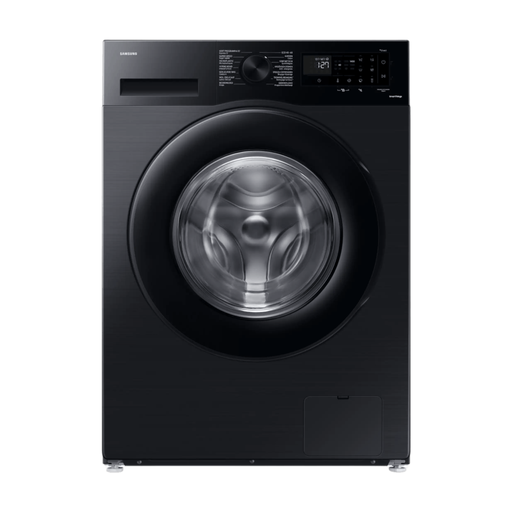 Image unavailable
If you regularly wash larger cotton loads, the stated drum capacity is worth comparing; check the permitted load for the programme you plan to use.
The product name lists 1400 rpm, AI Ecobubble™, Wi-Fi (SmartThings) and energy class A.
 Image unavailable
This may be worth comparing if you usually have smaller loads. Check the external dimensions and programme load limits before deciding whether it will suit your utility room.
The product name lists a 400 mm slim design and energy class A-10%.
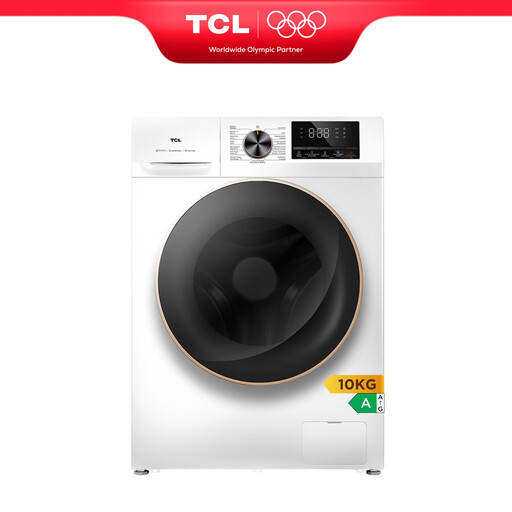 Image unavailable
The stated capacity may be relevant if you regularly collect larger loads; check that it suits the loads you usually wash.
The product name lists Steam Wash and a 15-minute Quick Wash programme.
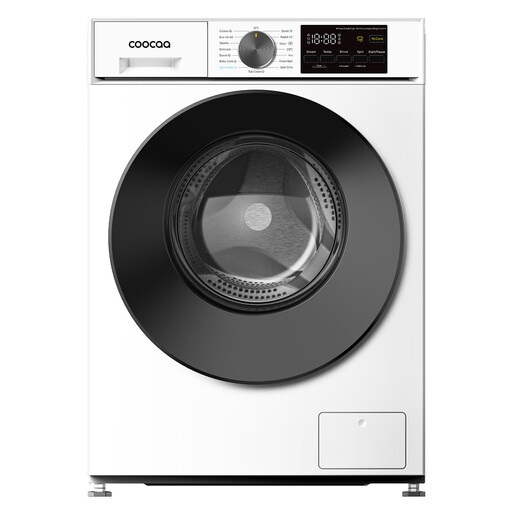 Image unavailable
A capacity of 7 kg may be worth considering if you usually have smaller loads; check that the programmes and load limits suit the care labels on your tablecloths.
The product name lists a BLDC motor, steam wash, a 15-minute quick-wash programme, 15 programmes and energy class A-10%.
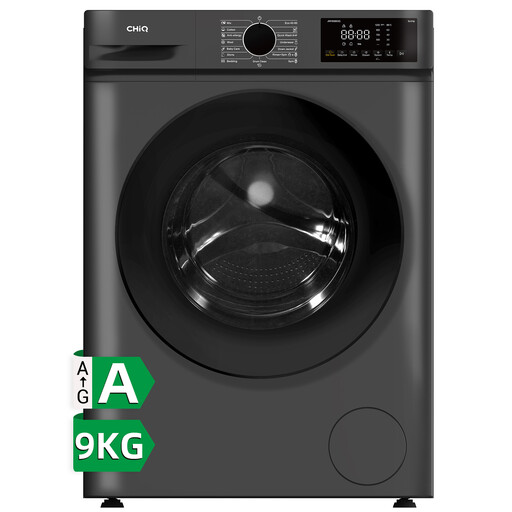 Image unavailable
The stated capacity is worth comparing if you wash larger loads; check the maximum load for the programme you plan to use for cotton.
The product name lists a 530 mm drum, 1400 rpm, 16 programmes, steam wash, 1-Touch Smart Wash and energy class A.
No, check the care label first. According to the Consumentenbond, Eco 40-60 is intended for normally soiled cotton that can be washed at 40 or 60 °C according to the label; the programme name doesn’t mean the wash actually reaches 60 °C.
Pre-treat stubborn stains before washing if needed, and choose a programme that suits the care label. Don’t rely solely on a manufacturer’s claim about steam or stain removal.
Check the dimensions, connections and water protection of the model you choose, and ask in advance what installation includes. For washing-machine maintenance, the Consumentenbond distinguishes between a regular wash at 60 °C and Eco 40-60; they are not the same programme.
Not automatically. According to the Dutch government, consumer purchases in the Netherlands are covered by statutory guarantees, and the retailer must offer a solution if the product doesn’t meet expectations. Consider what an extended warranty adds to your statutory rights.
According to the Dutch government, you can return an old appliance to the shop or online service where you buy a new, similar appliance, or take it to your local recycling centre. Check the collection arrangements with your chosen supplier in advance.