Who is this choice relevant to?

People who wear dresses that need a delicate wash

If your dress care label recommends a gentle machine-wash programme, the settings and permitted load for each programme matter. The Dutch consumer association Consumentenbond explains how care instructions and wash programmes work together.

Buyers with a small utility room

You need to make room not just for the machine itself, but also for the hoses and the space needed to open the door. Consumentenbond recommends allowing for this when measuring up.

Buyers with lots of everyday washing

You’re looking for a drum that suits your usual load, without automatically treating delicate dresses like a regular cotton wash. Consumentenbond points out that the maximum load capacity applies to cotton washing, while Milieu Centraal highlights the energy label as a way to compare the eco programme.

What should you look for when buying?

What to consider What should you check? Who is this important for?
Programme for dresses Compare the care label with the programmes, temperature options and spin settings in the manual for the exact model. If I want to wash dresses with gentle-care instructions, I want the machine settings to suit them. Around 33% of consumers prioritise dress care.
Space in the utility room Measure the height, width and depth, and allow for hoses, the door opening and the model’s installation space. When space is tight, the machine needs to fit and remain accessible. Around 27% of consumers prioritise the available space when making this choice.
Capacity for everyday washing Compare your usual sorted load with the capacity for each programme; the maximum load capacity is not the capacity for delicate washing. If I wash everyday items as well as dresses, I want a drum that suits those loads. Around 20% of consumers put capacity for everyday washing first.
Energy and water use Compare consumption figures on the same labelling basis, then choose a programme allowed by the dresses’ care labels. If you keep an eye on consumption, you’ll want to compare models on a like-for-like basis without assuming the eco programme is the same as a delicate-wash programme. Around 20% of consumers prioritise efficiency above all else.

Common mistakes

  • Assuming a programme name tells you how a dress can be washed

    The ‘delicates’ setting doesn’t replace the care label. The label tells you whether machine washing is allowed and which treatment is suitable.

    Read the care label on each dress and compare its instructions with the manual for the model you’re considering.

  • Assuming the maximum load capacity applies to delicate washing

    The stated maximum load capacity applies to cotton washing. The permitted load may vary from one programme to another.

    Check the load limit for the programme and compare it with your usual sorted washing.

  • Measuring only the width of the space

    The depth, hoses and space needed to open the door can also determine whether the machine can be installed and used comfortably.

    Measure the whole space and check the model’s dimensions and installation instructions before ordering.

  • Assuming eco energy use is the same as delicate-wash energy use

    The consumption figures on the energy label relate to the eco programme. They don’t automatically tell you how much a separate delicate-wash programme uses.

    Use the label figures to compare models on the same basis, and follow the dress care label when choosing a programme.

Brands to compare

Bosch

The Dutch-market Serie 6 WGJ23409NL gives you a specific model to compare in terms of programmes and installation dimensions.

  • Bosch lists delicate, easy-care and wool/hand-wash programmes for this model. Its stated maximum capacity is 8 kg and its dimensions are 845 × 598 × 590 mm.
  • The maximum capacity doesn’t tell you how much delicate washing a programme can take. Check the model’s load limits for each programme.

Miele

The Dutch-market WEA128 WCS 8kg Active is worth a look if you want to compare a front-loader with a delicate-wash programme.

  • Miele lists delicate and wool programmes, a no-spin option and 43 kWh per 100 eco cycles for this model.
  • The eco figure doesn’t describe the consumption of a delicate-wash programme. Miele’s claims about SoftCare and product lifespan are manufacturer statements, not independent evidence of the results for your dresses.

AEG

The Dutch-market LR63864 is an 8 kg model you can compare with other front-loaders for load adjustment and dimensions.

  • AEG lists dimensions of 847 × 596 × 602 mm for this model and describes ProSense as a feature that adjusts the cycle to the load.
  • Check the manual to find out which programme suits the care label on a particular dress; the feature mentioned doesn’t determine this automatically.

Washing machines at Joybuy

These Joybuy products are worth comparing for capacity, available space and the programmes you’ll want to check for washable dresses.

Bosch WGB2440BFG Serie 8 washing machine, 9 kg

Bosch WGB2440BFG Serie 8, 9 kg

Check the manual to see if the programme settings suit the care labels on your dresses; the maximum capacity doesn’t automatically apply to delicate washing.

Listed load capacity: 9 kg. Also stated in the product name: 1400 rpm, energy class A and NL/FR control panel.

Joybuy
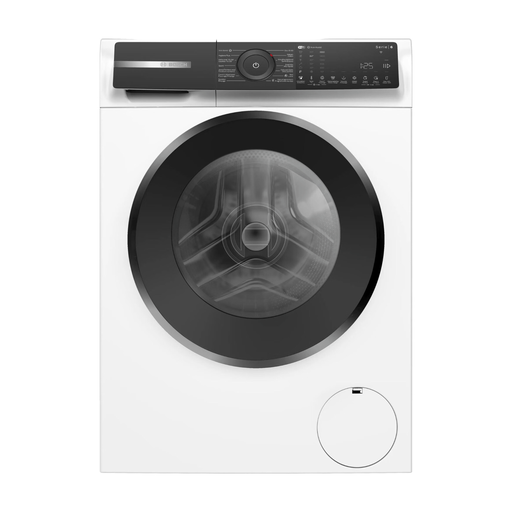
Bosch WGH25605FG Serie 6 washing machine, 10 kg

Bosch WGH25605FG Serie 6, 10 kg

If you’re also considering your everyday washing loads, compare the capacity for each programme and separately check whether the settings suit your dresses.

Listed load capacity: 10 kg. Also stated in the product name: 1600 rpm, energy class A and NL/FR control panel.

Joybuy

Comfee' CFP01EW70W-JD washing machine, 7 kg, 400 mm deep

Comfee' CFP01EW70W-JD, 7 kg, 400 mm deep

The stated depth of 400 mm could be useful if your available space is shallow; remember to measure the room needed for the hoses and door as well.

Listed load capacity: 7 kg. The product name also states energy class A-10%.

Joybuy
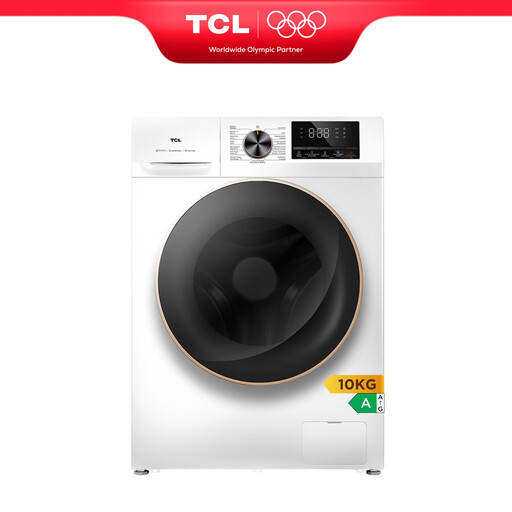
TCL FP1210WA0 washing machine, 10 kg

TCL FP1210WA0, 10 kg

If you have larger everyday loads as well as dresses, compare the load capacity with the amount you actually wash on each programme.

Listed load capacity: 10 kg. The product name states energy class A.

Joybuy

TCL FF1006WB0 washing machine, 6 kg, 45 cm deep

TCL FF1006WB0, 6 kg, 45 cm deep

The stated depth of 45 cm may help when comparing models for a tight space; also measure the connections and the clearance needed to open the door.

Listed load capacity: 6 kg. The product name states energy class B.

Joybuy

Frequently asked questions

Can every washable summer dress go on eco 40-60?

No. Always check the dress care label first. The temperature and the lines beneath the wash-tub symbol show which treatment is allowed; eco 40-60 isn’t automatically suitable for delicate clothes.

What should I check before using the washing machine for the first time?

Follow the installation instructions for the exact model, remove the transit bolts before use and make sure the machine is level. Bosch includes these steps in its installation information; also check there’s enough room for the hoses and the open door.

What costs and rights should I consider after buying?

Check the stated delivery and installation costs in advance. According to ACM ConsuWijzer, the retailer in the Netherlands is responsible for finding a solution if a product breaks sooner than you could reasonably expect when used normally. A manufacturer’s warranty doesn’t replace this statutory right.

What happens to my old washing machine when I buy a new one?

When you buy a similar new appliance for private use, the shop must take back your old appliance free of charge under the ‘old for new’ scheme. The Dutch government states that this also applies to online purchases, subject to the conditions for drop-off or later collection.

How do I read a washing machine’s energy label?

Since 1 March 2021, household washing machines on the EU market have used the A to G energy label scale. The European Commission lists, among other things, energy consumption per 100 cycles, water consumption per cycle and noise during spinning. These figures aren’t an automatic guide to the consumption of a separate delicate-wash programme.
