Choose the drum capacity based on all the laundry your housemates usually wash together, not just the napkins. Extra capacity is only useful if you can make regular use of it. First, check the care labels and suitable programmes, then compare the dimensions, spin noise and consumption figures. A steam function or app is no substitute for a programme that’s suitable for the fabric.
Who is this buying guide for?
Housemates who do their washing together
You want to wash napkins with other laundry that can go in the same load, without routinely choosing a drum that’s too large. The Consumentenbond and Milieu Centraal recommend matching the capacity to the load you actually wash.
Residents with limited laundry space
For you, the available space, noise during the spin cycle and the potential impact of a leak all matter. Energielabel.nl lists details such as drum capacity and spin noise on the energy label.
Residents with different types of table linen
You wash napkins with different care labels and need programmes suited to each fabric. The European Commission sets out the conditions for eco 40-60 for normally soiled cotton, while Bosch advises following care labels.
What should you look for when choosing?
Start with the care labels and the size of your usual shared load. Then compare the space available, spin noise and costs that suit the way you use the machine.
| Consideration |
What to look for |
Who is this most important for? |
| Programme for the napkins |
Check the care labels and whether the manual lists a suitable programme and temperature. Eco 40-60 is intended for normally soiled cotton that can be washed at 40 or 60 °C according to its care label; the name doesn’t mean the programme washes at 60 °C. |
If I wash napkins made from different materials, I want to be able to choose the right programme for each care label. Around 33% of consumers put programme choice first. |
| Drum capacity |
Weigh a typical shared load and compare it with the load capacity and machine dimensions. The Consumentenbond and Milieu Centraal point out that the drum should suit the household and the load. |
If we combine napkins with other suitable laundry, I want enough room without often having to run small loads. Around 27% of consumers say suitable capacity is their top priority. |
| Noise, space and water protection |
Compare the stated spin noise and the specific water-protection system. Measure the space and check that the machine can stand level and securely; a noise rating is no substitute for proper installation. |
If the machine is close to living or study areas, I want to take noise and the potential impact of a leak into account. Around 20% of consumers prioritise quiet and safe installation. |
| Shared costs |
Compare consumption in kWh per 100 eco cycles and water consumption per cycle under the energy-label test conditions. Ask the retailer about any delivery and installation costs, and agree with your housemates who owns the machine and how you’ll share the costs. |
If we’re paying for and using the machine together, I want to know the ongoing and additional costs upfront. Around 20% of consumers prioritise shared costs. |
Common buying mistakes
-
Choosing a large drum just because lots of people share the machine
The number of residents doesn’t tell you how much laundry you’ll actually combine in each load. A large drum is most useful when your shared load makes good use of its capacity.
Weigh a typical load and compare it with the machine’s capacity before choosing a size.
-
Assuming eco 40-60 is a programme that washes at 60 °C
The European Commission describes eco 40-60 as being for normally soiled cotton that can be washed at 40 or 60 °C according to its care label. The programme name doesn’t guarantee an actual wash at 60 °C.
Follow the napkin’s care label and check the manual to find out which programme and temperature are suitable for the fabric.
-
Relying on a water safety system or quiet motor without checking the installation
Water-protection systems vary in what they detect or shut off. An unstable installation can also cause extra noise.
Check the protection system on the exact model, the connections, and whether the machine can stand level and securely.
An incorrect connection can result in extra installation work or damage.
Brands to compare
Beko
According to Beko, the BM3WFU38412CW is a freestanding 8 kg front-loading washing machine with programmes including cotton, eco, delicates and drum clean.
- Beko lists energy class A, 47 kWh per 100 cycles and spin noise of 76 dBA for this model.
- The EnergySpin saving claim compares specific programmes with the Beko WTV 9636 XSO; this comparison doesn’t automatically apply to other brands.
Bosch
According to Bosch, the Serie 4 WAN2827GNL is an 8 kg front-loader with a reload function, which may be worth considering if housemates often forget to add something.
- Bosch lists dimensions of 845 × 598 × 590 mm.
- According to Bosch, this model doesn’t have AquaStop. Its water-saving claim for smaller loads doesn’t, by itself, prove that a small wash will cost less than with other models.
LG
According to LG, the F4X1008NWH is an 8 kg washing machine with ThinQ connectivity. Consider it if notifications or app control would be useful for your housemates.
- LG lists Direct Drive and a steam/allergy programme for this model.
- The hygiene and noise benefits stated on the product page are manufacturer claims. Compare the specific figures and follow the care label before placing extra value on them.
AEG
According to AEG, the LR73844 from the 7000 ProSteam series is an 8 kg front-loader with a steam refresh function, which may be useful if housemates also want to freshen up clothes.
- AEG lists energy class A, 28 kWh per 100 eco cycles and 42 litres of water per eco cycle for this model.
- A steam refresh function isn’t the same as a full wash for used napkins; the figures quoted don’t automatically apply to other AEG models.
Washing machines on Joybuy
These Joybuy washing machines are worth considering for shared laundry. Compare their stated capacity and variant details with your usual load, napkin care labels and available space.
 No image available
Bosch WGB2440BFG Serie 8, 9 kg
The 9 kg capacity may suit housemates who regularly wash larger loads together; weigh a typical load first.
Listed: 1400 rpm, energy class A, NL/FR panel and white.
View at Joybuy
 No image available
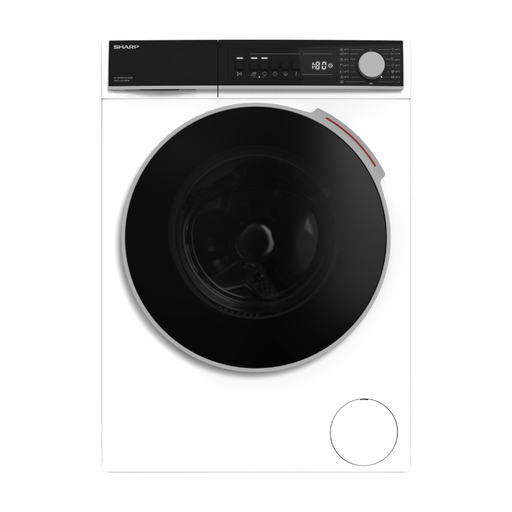
SHARP ESNFB914CWDACB, 9 kg
The capacity may suit housemates who often combine their laundry; compare 9 kg with the loads you actually wash.
Listed: 1400 rpm, energy class A, Steam+, Inverter Motor, AquaStop and white.
View at Joybuy
 No image available
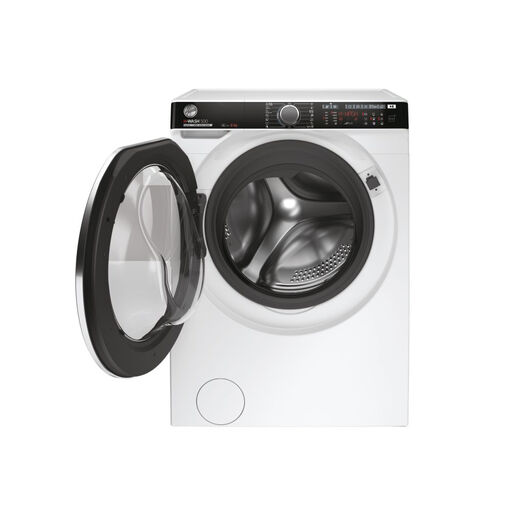
HWP 48AMBC7/1-S, 8 kg
An 8 kg capacity may suit a shared laundry routine where housemates combine their loads; compare it with the amount you usually collect.
Listed: front-loader, freestanding, 1400 RPM, class A and white.
View at Joybuy
 No image available
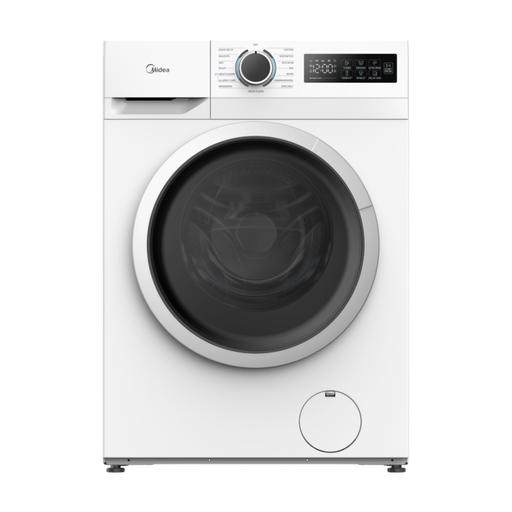
Midea MF110W80BA10/W-NL, 8 kg
The stated capacity may suit a household that washes napkins with other suitable laundry; check it against your usual load.
Listed: 1400 RPM, A-10%, 15 wash programmes and white.
View at Joybuy
 No image available
Beko BM3WFU38412CW, 8 kg
This model may suit you if you’re looking for an 8 kg capacity for shared laundry; check that it matches a typical household load.
Listed: 1400 rpm, EnergySpin, ProSmart Inverter Motor, energy class A and white.
View at Joybuy
Frequently asked questions
Can all table napkins go in the eco 40-60 programme?
No. First check whether the care label allows machine washing and which temperature is suitable. The European Commission describes eco 40-60 as being for normally soiled cotton that can be washed at 40 or 60 °C according to its care label; the programme name doesn’t mean the machine washes at 60 °C.
How can you keep a shared washing machine clean and ready to use?
Agree who will remove wet laundry promptly and who will take care of maintenance. Milieu Centraal recommends using a suitable, full load and suggests running a wash at 60 °C once a month to help prevent residue and odours in the machine. Voedingscentrum advises washing used kitchen and tea towels at 60 °C; don’t automatically apply this to napkins with a different care label.
Who sorts out a fault, and are delivery or installation included?
Ask the retailer in advance about any delivery and installation costs. According to the Rijksoverheid, the retailer must provide a solution if a product is faulty; the Netherlands has no fixed statutory guarantee period. In your student house, also agree who owns the machine and how you’ll share the costs.
Can you install a washing machine connection in a rented home without permission?
That depends on the work involved. According to the Rijksoverheid, you need your landlord’s permission for alterations that can’t be reversed without significant cost; small, reversible changes are treated differently. So check the existing connection, tenancy agreement and any house rules before arranging any work.


