
Housemates who do their washing together
They want a drum that suits regular combined loads of sorted cotton laundry. Milieu Centraal and the Consumers’ Association recommend matching the capacity to your usual load.


Choose the drum capacity based on the sorted cotton laundry your housemates actually want to wash together, not just the number of people living there; the stated maximum capacity applies to cotton laundry. If the machine is close to a bedroom, compare its spin noise too, and check that it can be installed and connected in your chosen spot. A larger drum is not automatically more economical for small, separate loads.
They want a drum that suits regular combined loads of sorted cotton laundry. Milieu Centraal and the Consumers’ Association recommend matching the capacity to your usual load.
They want to consider the noise during the spin cycle if the machine is close to a bedroom or study. The Consumers’ Association points out that spinning is generally the noisiest part of a wash.
They need to check that the machine will fit, can be connected safely and can be delivered. Bosch Home Netherlands outlines points to consider when connecting a machine, while the Dutch Government explains how to have an old appliance taken away.
First, weigh a typical load of sorted cotton laundry. Then consider noise, where the machine will go and the total cost of any services you choose.
| What to consider | What to look for | Who should pay particular attention? |
|---|---|---|
| Capacity and cotton programme | Weigh a typical load of sorted cotton laundry, then check the maximum capacity and the cotton programme. The maximum capacity applies to cotton laundry, not automatically to every programme. | If we usually wash our shorts separately, I want a drum that suits those smaller loads; around 40% of consumers want to match the capacity to their laundry. |
| Spin noise | Compare the noise level and noise class during spinning on the same labelling basis. Also check that the floor is level and sturdy. | If my room is next to the washing machine, I want to know how noisy the spin cycle could be; around 30% of consumers put noise at the top of their list. |
| Positioning and risk of leaks | Measure the space for the machine and the access route; check the water supply, drainage, an earthed socket and the model’s water protection features. | If I’m responsible for arranging the machine, I want to be sure it will fit properly and can be connected, and that the risk of leaks is suitable for the property; this is the main consideration for around 20% of consumers. |
| Purchase and running costs | Compare the total price, including any services you need, and check the energy and water information on the label. Choose a programme that suits the laundry and care label. | If we’re sharing the costs with housemates, I also want to know which services we’ll need and what the running costs could mean; around 10% of consumers put cost first. |
A large drum is not automatically right for small, separate loads. Load detection does not, by itself, make a larger capacity the right choice.
Before you buy, weigh a few typical loads of sorted cotton laundry and choose a capacity to match.
Spinning is generally the noisiest part of a wash. The machine’s position and the type of noise it makes can also affect how disruptive it is in a shared home.
Compare the spin noise figure on the energy label and check that the machine can stand firmly and level, especially if it’s next to bedrooms.
Delivery, installation and other services you choose can affect what you end up paying.
Before ordering, check which work and services are included and how the machine will be connected.
Extra charges may apply for installation or selected delivery services; ask for the current terms and total cost.
The BM3WFU38412CW is an 8kg model with a cotton programme, suited to those who regularly combine larger loads of cotton laundry.
The Serie 2 WGE02406NL has a capacity of 7 kg, for those who find they don’t need a larger drum after weighing their usual loads.
The LF628600 from the 6000 ProSense range has a capacity of 8 kg and may be worth considering if your load sizes vary.
The WW80CGC04AAHEN is an 8kg model to consider if your housemates are also interested in smart features.
These models offer specific capacities to help you compare options for washing sorted cotton laundry together. For each model, check that the capacity and programmes suit the loads and care labels of your housemates’ clothes.
 No image available
The 8 kg capacity gives you a point of comparison for sorted cotton loads; choose a capacity that suits what your housemates actually wash together.
Capacity: 8 kg. Spin speed: 1400 rpm. The product description lists PreciseWash with load sensing.
 No image available
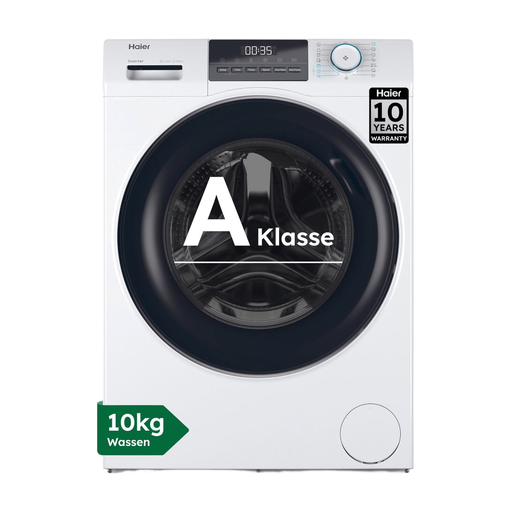
With a capacity of 10 kg, this model is worth comparing if your housemates regularly wash larger loads of cotton laundry together.
Capacity: 10 kg. Spin speed: 1400 rpm. The product description mentions automatic weighing that adjusts water use and cycle time; stated noise level: 70 dB.
 No image available
The 8 kg capacity and listed cotton programme are worth considering if your housemates combine their cotton laundry.
Capacity: 8 kg. Spin speed: 1400 rpm. The product description lists 16 programmes, including cotton.
 No image available
The capacity and cotton programme are relevant points to consider if your housemates regularly wash sorted cotton laundry together.
Capacity: 8 kg. Spin speed: 1400 rpm. The product description lists 15 programmes, including cotton, and a spin noise level of 76 dB(A).
 No image available
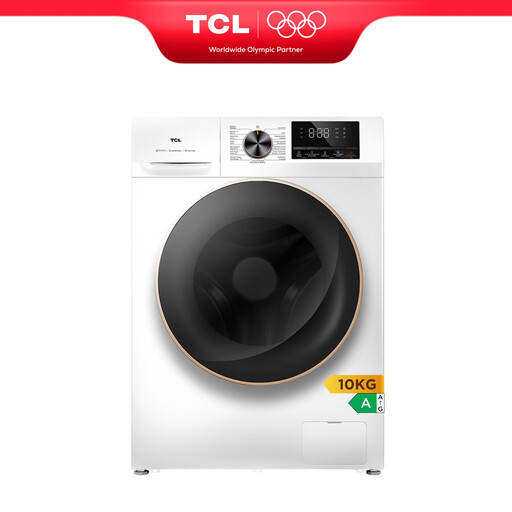
A capacity of 10 kg gives you a specific point of comparison if your housemates are considering washing larger combined loads of cotton laundry regularly.
Capacity: 10 kg. The product name lists an A energy rating and a 15-minute Quick Wash programme.
No, the stated maximum capacity applies to cotton laundry. Other programmes may require a smaller load; check the manual and care labels before washing cotton shorts with other items.
No, choose the temperature according to the care label. Milieu Centraal recommends the eco programme for everyday laundry and notes that a lower temperature, such as 30 °C, uses less energy.
Check the installation instructions for your chosen model, and make sure you have a stable surface, water supply and drainage, and the required electrical connection. In its installation advice, Bosch Home Netherlands also recommends removing the transit bolts before use and checking for leaks after connecting the machine; for other brands, follow their own instructions.
Yes. According to the Dutch Government, washing machines must have an energy label. Compare the energy and water information for the exact model; the energy class alone does not determine the total running costs.
If you’re buying a new, similar appliance as a private consumer, the Dutch Government says you’re entitled to have the old one taken away free of charge. This also applies to online purchases; arrange in advance how the old appliance will be collected at delivery.