
Housemates with lots of shared washing
Choose the drum capacity based on the load you usually wash together. Milieu Centraal and the Consumentenbond warn that a large machine may be less suitable if it often runs without a full load.


First, match the drum capacity to the washing you’ll do together. Then check that the machine, connections and doorway will fit the space available. For muddy socks, pre-treatment and the care label matter more than a programme name that promises to remove stains. A larger drum is worth considering mainly if your housemates can fill it regularly. Compare noise and energy use on the same label basis.
Choose the drum capacity based on the load you usually wash together. Milieu Centraal and the Consumentenbond warn that a large machine may be less suitable if it often runs without a full load.
You want to tackle the mud without losing sight of the socks’ care instructions. For wool or other delicate fibres, always follow the care label.
If the machine is close to living areas or bedrooms, spin noise, a stable floor and the space available for installation are all important considerations.
First compare your shared load with the space where the machine will go, then look at programmes for socks and running costs. Milieu Centraal and the Consumentenbond recommend choosing a capacity that suits how often the drum will actually be full.
| What to consider | What should you check? | Who should weigh this more heavily? |
|---|---|---|
| Mud and sock fabric | Follow the care label and check whether there’s a suitable wool or delicates programme. Let mud dry and gently brush off loose dirt. | If I’m washing muddy socks, I want to pre-treat the dirt and care for the fabric according to the label. Around 33% of consumers prioritise sock care. |
| Capacity for shared use | Compare the drum capacity with a typical shared load and measure the space where the machine will go. | If we wash together, I want a drum that can handle our usual load without being too large for the smaller loads we do often. Around 27% of consumers prioritise shared capacity. |
| Noise and positioning | Compare the spin noise rating in dB(A) on the same label basis, and check the dimensions, floor surface and installation space. The Consumentenbond notes that a stable floor can help reduce noise and disturbance. | If housemates live close to the laundry area, I want to take spin noise into account and be able to position the machine securely. Around 20% of consumers prioritise peace and positioning. |
| Energy use and shared costs | Compare kWh per 100 eco cycles and water per cycle on the EU label. Check programme duration, delivery and installation terms separately. Milieu Centraal explains that the energy label shows consumption for the eco programme. | If we share the machine, I want to be able to compare its energy use and any additional practical costs. Around 20% of consumers prioritise energy use and shared costs. |
A large capacity isn’t automatically an advantage if the machine often runs with small loads. Milieu Centraal and the Consumentenbond recommend matching the capacity to how you’ll actually use the machine.
Think about your usual shared load as well as the smaller washes housemates do separately.
A programme name doesn’t show how well it will clean your particular socks. Pre-treatment and the care instructions still matter.
Let the mud dry, gently brush off loose dirt and check the care label before choosing a programme.
Label values are based on set conditions and won’t predict the exact energy use of every wash.
Compare figures on the same eco programme basis, and check separately what’s included in delivery and installation.
The Consumentenbond outlines considerations for washer-dryers, including drying capacity, energy use and programme duration.
Consider this option only if your housemates also want to use a tumble-drying function and the limitations suit the way you’ll use it.
The BM3WFU3741W is a freestanding machine with a 7 kg capacity and a stated depth of 49,6 cm, making it worth comparing if space is limited.
The LF62CB86 is a front-loading machine with an 8 kg capacity, worth comparing if you’re looking for a mid-sized model.
Bosch states that the Serie 6 WGG244FMNL has a 9 kg capacity and a depth of 590 mm, making it worth comparing if you regularly wash larger loads together.
The WW80CGC04AAEEN is a front-loading machine with an 8 kg capacity and EcoBubble, making it worth comparing with other machines of the same capacity.
This selection includes freestanding front-loading machines with different capacities and programmes to compare against your shared washing and the space available.
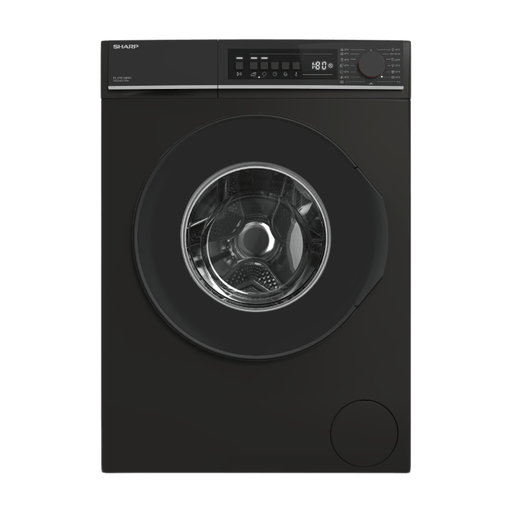 No image available
The stated 7 kg capacity gives you a useful starting point for comparing the machine with your usual shared load.
The listing gives a capacity of 7 kg, 1400 rpm, an energy rating of A, an inverter motor and 15 programmes.
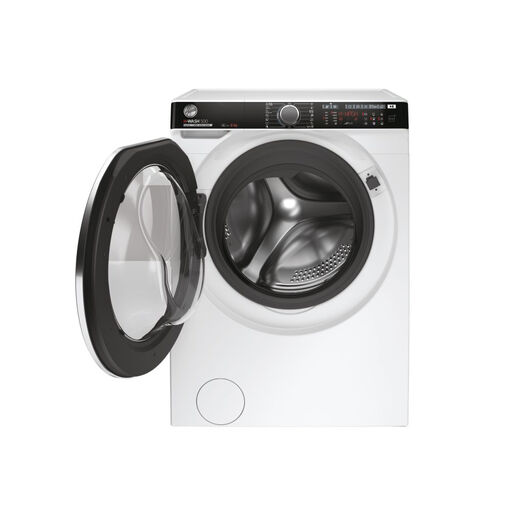 No image available
With an 8 kg capacity, this model is worth comparing with the amount of washing your housemates do together.
The listing gives a capacity of 8 kg, 1400 RPM and an energy rating of A. The description mentions a wool programme and Auto Care for different loads and fabrics.
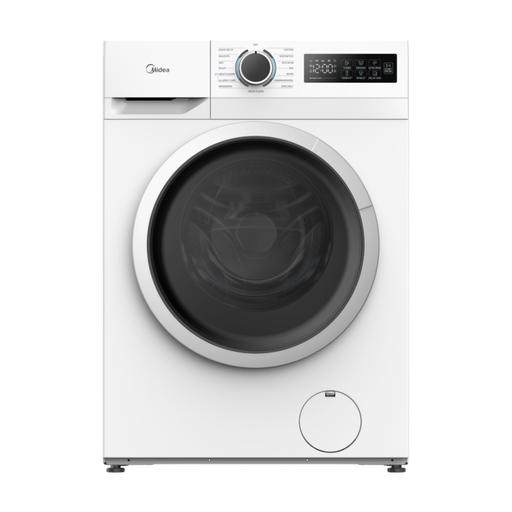 No image available
The 8 kg capacity is a practical point of comparison for shared loads.
The listing gives a capacity of 8 kg and 1400 RPM. The description mentions 16 programmes, including wool and delicates, and dimensions of 850 × 595 × 475 mm.
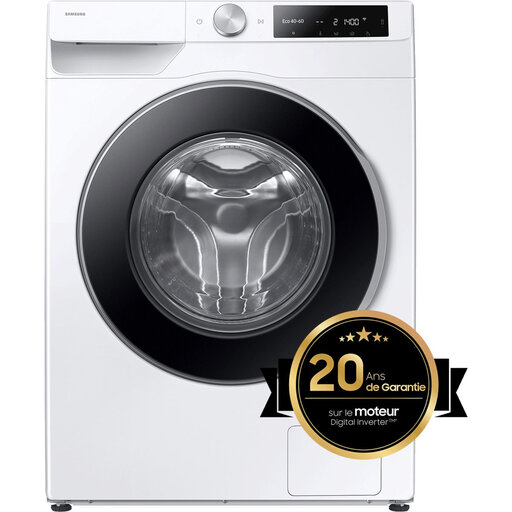 No image available
The 9 kg capacity is worth comparing if your housemates regularly wash larger loads together.
The listing gives a capacity of 9 kg, 1400 RPM and EcoBubble. The product description mentions AI Wash, with sensors for the load and fabric.
 No image available
With an 8 kg capacity, you can compare this model with the amount your housemates wash together.
The listing gives a capacity of 8 kg, 1351 RPM and an energy rating of A. The description mentions 16 programmes, a spin noise level of 69 dB(A) and quick programmes from 14 minutes.
No. First, gently remove any loose dirt. Let the mud dry, then follow the care label. Pre-treatment doesn’t guarantee that a machine will remove every stain.
Not without checking the care label. Patagonia generally recommends cold washing merino wool blends with a mild detergent, but says to follow the garment’s care label. Check that machine washing is allowed, then choose a suitable programme.
Measure the space and check the water supply, drain and floor surface. The Consumentenbond recommends positioning the machine securely. Remove the transit bolts according to the manual, and check in advance what’s included with delivery and installation.
Agree who’s responsible for taking the washing out promptly, and use the right amount of detergent. Milieu Centraal also recommends running a wash at 60 °C about once a month to help prevent residue and unpleasant smells in the machine. This is maintenance advice, not the recommended washing temperature for every pair of socks.
No. According to ACM ConsuWijzer, there’s no fixed statutory period of exactly two years. With normal use, what you can expect from a product depends partly on the product itself. If a product is faulty, the seller is responsible for providing an appropriate solution under the applicable terms.