
Student who needs clean clothes quickly
Washes small, sometimes damp loads and wants to be able to choose a suitable short cycle without ignoring the care label.


Choose based on the typical sorted load you wash each time and the space available, rather than simply on the number of housemates. Compare a suitable short cycle for small, lightly soiled loads with an eco cycle for regular, larger washes. Also consider spin noise, drying space and how you’ll agree on usage and costs. A larger drum is most suitable if you’ll regularly use it with a full load.
Washes small, sometimes damp loads and wants to be able to choose a suitable short cycle without ignoring the care label.
Want a drum that suits their usual loads and need to agree on programmes, noise and how the machine will be used.
Wants to factor the purchase price, energy and water use, and any installation or repair costs into the arrangements you make together.
| Priority | What to look for when buying | Who is this most relevant to? |
|---|---|---|
| Washing clothes promptly and appropriately | Check the load limits and conditions for short and mixed-load programmes. Follow the care label and consider how much drying space you have. | If I need damp school clothes again quickly, I want a suitable short cycle that doesn’t mean ignoring the care label. Around 31% of consumers prioritise having clean clothes promptly. |
| Capacity for everyday loads | Weigh or assess a typical sorted load and check the maximum load for each programme. The stated cotton capacity does not automatically apply to delicates or synthetics. | When we usually do our washing separately, I want a drum that suits our typical loads. Around 25% of consumers prioritise shared laundry capacity. |
| Upfront and ongoing costs | Compare energy and water figures using the same rating basis; they don’t show the consumption of every programme you choose yourself. Also ask what delivery, connection and servicing include. | If we share the bill, I want to know the purchase price, water and energy use, and any servicing costs in advance. Around 25% of consumers prioritise shared costs. |
| Noise and installation | Compare noise figures on the same basis: test measurements and energy label figures don’t necessarily use the same method. Measure the space, doorway and room for hoses, and make sure the floor is stable. | If space is limited or noise could be an issue, I want a machine that fits practically and takes my housemates into account. Around 19% of consumers prioritise quiet operation and installation. |
The number of people in the house doesn’t tell you how much washing goes into the machine each time. A large drum may be less suitable if you often wash small loads.
Consider a typical sorted load and choose a capacity that matches the way you actually do your washing.
Installation and any repairs may incur additional costs.
Spin noise and vibrations are also affected by how the machine is installed. What’s more, test measurements and label figures don’t always use the same method.
Check the noise figure, measure the available space and make sure the machine is installed on a stable, level surface.
LG Netherlands describes the F4X1008NWH as an 8 kg front-loading washing machine with Direct Drive, ThinQ and a range of wash programmes. Joybuy lists a 30-minute programme for this model.
Beko Netherlands describes the B3WM4841W2 as a freestanding 8 kg front-loader with, among other options, a mixed-load programme and Daily Xpress.
Bosch Netherlands lists the Serie 4 WAN2827GNL with an 8 kg capacity, dimensions of 845 × 598 × 590 mm and a reload function.
Samsung describes the WW80CGC04AAEEN as an 8 kg front-loader with an A energy rating and stated dimensions of 600 × 850 × 550 mm.
These 7–8 kg front-loaders are suitable for shared use and separate medium or smaller loads. Check the permitted load and washing conditions for each short programme.
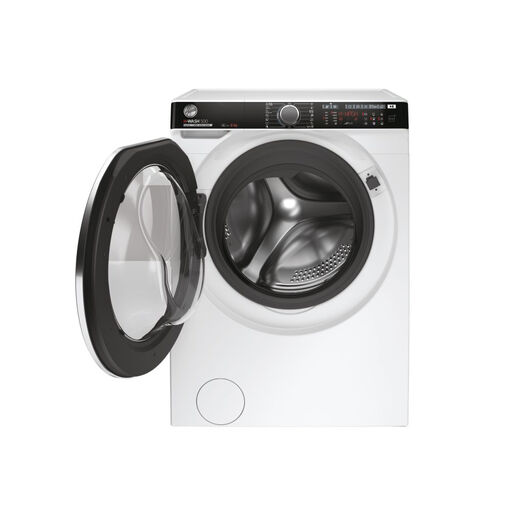 No image available
An option for shared medium-sized loads if 8 kg suits the way you usually do your washing; check the load limit for each programme.
Front-loader, 8 kg, 1400 RPM, A energy rating.
The user information recommends a flat, stable floor and having at least two people install or move the machine.
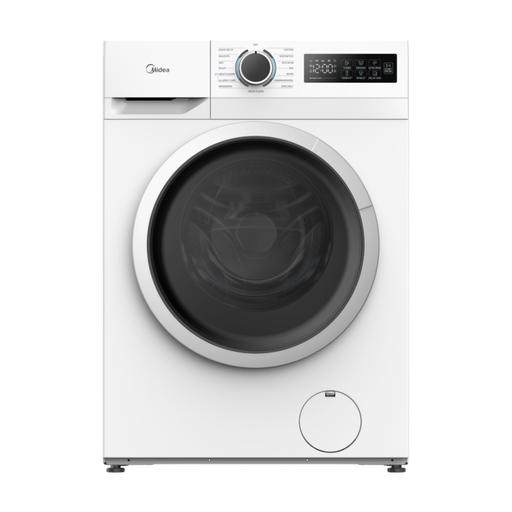 No image available
Could be a good fit if a short wash option is useful for lightly soiled clothes; check the permitted load and care instructions.
8 kg, 1400 RPM, A-10%, 15 wash programmes.
 No image available
An option to compare if you sometimes need lightly soiled clothes again quickly; check how much washing the selected short programme can handle.
Freestanding, 8 kg, 1351 RPM, A energy rating.
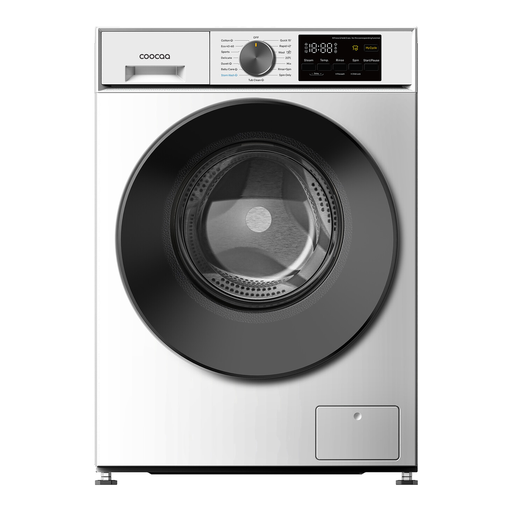 No image available
The listed Quick Wash may be useful when you need lightly soiled clothes again quickly; check the load and usage conditions.
Front-loader, 8 kg, 15-minute Quick Wash, 15 programmes, A energy rating.
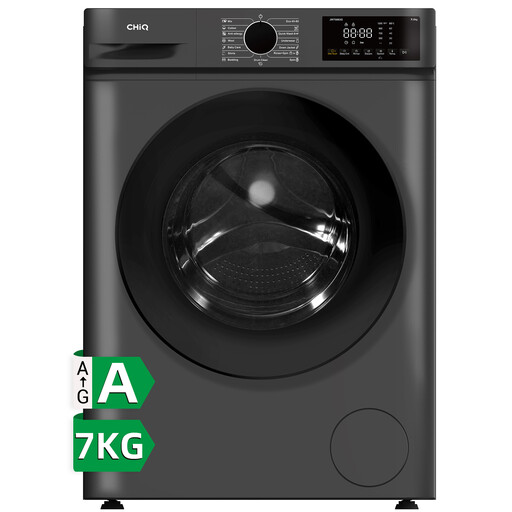 No image available
Could suit smaller individual loads; check the permitted load and care instructions for a short programme.
Front-loader, 7 kg, 1200 RPM, A energy rating.
No. Start by following the care label and choose a programme that suits the fabric and how soiled the clothes are. Milieu Centraal generally recommends an eco programme for normally soiled washing; 60 °C may be suitable in specific situations where hygiene is a concern, but it isn’t a general requirement for all school clothes.
Measure the machine, the route it needs to take and the space for hoses and the door to open. Consumentenbond recommends a stable surface. Also follow the connection instructions for your chosen model, as installation can affect noise and vibrations.
Agree on who will empty and clean the machine after each wash. Consumentenbond recommends using the right amount of detergent, cleaning the door seal and filter, and leaving the door and drawer to dry. Dry washing outside where possible; GGD Leefomgeving recommends removing moist air when drying indoors.
Ask the retailer whether delivery, connection and removal of an old machine are included. According to the Rijksoverheid, there is no fixed statutory guarantee period in the Netherlands. If a product doesn’t meet reasonable expectations, the retailer is responsible for helping to resolve the issue. Normal wear and tear or damage caused by incorrect use isn’t automatically covered.
A domestic washing machine must have an energy label. The Rijksoverheid says it gives information about energy and water use, as well as the classes from A to G. This is product information, not a legal requirement for buyers to choose a machine with an A rating.