
Housemates with different cushion covers
You want to wash removable covers without assuming that all fabrics can be washed at the same temperature or on the same programme.


Start with the care labels: choose a machine with programmes suited to your covers. For example, IKEA states that the GURLI cover can be machine-washed at up to 40 °C; this does not automatically apply to other covers. Choose a drum size based on a typical load you have weighed, as the Consumentenbond recommends, and compare consumption figures using the same EU energy label basis.
You want to wash removable covers without assuming that all fabrics can be washed at the same temperature or on the same programme.
You’re looking for a drum size and programme duration that work for both shared and separate washes.
You need to consider the dimensions, spin noise and connection options before deciding whether a machine will work in practice.
Start by checking the care instructions for your covers, then work out how much laundry you usually wash together. This helps you avoid letting a large drum size dictate your choice when a specialist programme or the space available may be more important.
| What to consider | What should you check? | Who is this important for? |
|---|---|---|
| How the covers need to be washed | Read each care label and check that the machine has a suitable programme and allows the stated temperature. Also check the maximum load for that programme. | If I wash covers made from different fabrics, I want to follow each cover’s care label rather than choose one programme for everything. Around 28% of consumers prioritise washing covers correctly. |
| Drum size and access | Weigh a typical load and discuss whether housemates tend to wash together or separately. Also compare the programme duration that’s right for the fabric. | If we share the machine, I want to know whether we’ll actually have a shared load often enough and how long the laundry will occupy the machine. Around 22% of consumers prioritise capacity for shared laundry. |
| Space, noise and connections | Measure the available space, doorway and room for connections. Compare spin noise using the same measurement basis and check the installation requirements. | If the laundry area is small or close to a living space, I want to know in advance whether the machine will fit and can be connected easily. Around 22% of consumers prioritise where the machine will go and how noisy it is. |
| Energy and water consumption | Compare energy consumption per 100 cycles and water consumption per cycle using the EU energy label basis. Bear in mind which programmes are suitable for your covers. | If several housemates use the machine regularly, I want to be able to compare its consumption on a like-for-like basis. Around 17% of consumers prioritise running costs. |
| Delivery and aftercare | Check what delivery and installation include, and what help is available through the seller if something goes wrong. Keep your proof of purchase. | If I’m arranging the purchase and connection for a shared house, I want to know what the order includes and who to contact if there’s a fault. Around 11% of consumers prioritise purchase, installation and aftercare. |
A machine-washable cover may have a maximum washing temperature and may not be suitable for tumble drying. So the same programme won’t necessarily work for every cover.
Gather the care instructions for your covers and compare them with the programmes and load limits in the manual.
A larger capacity is most useful if you regularly have enough laundry to make the most of it. The Consumentenbond recommends weighing a typical load and choosing a large machine only if you’ll fill it.
Discuss whether you’ll combine your laundry, and weigh a typical load before choosing a drum size.
The figures on the energy label are based on the stated eco test. A cover may need a different programme, and its consumption can’t be determined from the rating alone.
Compare the label figures on the same basis, and use the care labels to decide which programme is suitable.
The Consumentenbond points out that installation can vary from one offer to another. Bosch also warns that transit bolts must be removed before use, so follow the instructions for your specific model.
Check in advance which connection work is included and who will install the machine. Read the manual before your first wash.
The Dutch BM3WFU3741W is a 7 kg front-loading machine worth comparing if you usually wash smaller loads.
The Dutch LR6KOLN is an 8 kg front-loading machine to consider if you want a medium-sized drum with load adjustment.
The Dutch WAN2827FNL from Series 4 is a 9 kg front-loading machine to compare if you regularly wash larger loads together.
The Dutch WW90DG6U85LEU3 is a 9 kg model to compare if a larger drum and extra features are important to you.
The Joybuy selection below ranges from 7 to 9 kg. Compare the listed programmes with your covers’ care labels, and choose a capacity that suits the loads you actually wash together.
 No image available
The listed Delicate/Silk and Wool programmes may be useful if your cover’s care label allows this treatment.
Rated capacity: 9 kg. Spin speed: 1400 rpm.
 No image available
The listed Wool and Delicate programmes may be suitable if your covers’ care labels allow them.
Rated capacity: 8 kg. The product name lists 1400 rpm and 16 wash programmes.
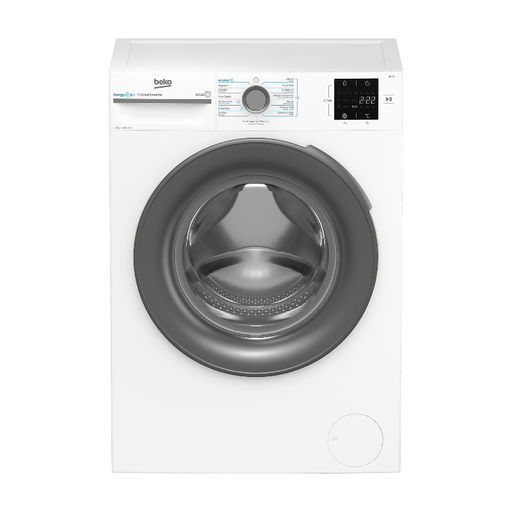 No image available
The listed Delicates, Wool and HandWash programmes may be suitable if your covers’ care labels allow these treatments.
Rated capacity: 7 kg. The product name lists 1400 rpm, 15 wash programmes and energy label C.
 No image available
The listed Delicates, Wool and HandWash programmes may be suitable if your covers’ care labels allow these treatments.
Rated capacity: 8 kg. The product name lists 1400 rpm and energy label A.
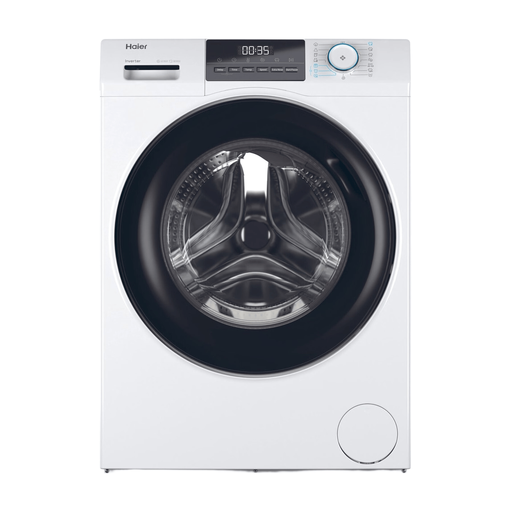 No image available
The product description mentions a Pillow Drum for delicate fabrics; check that the machine and selected programme are suitable for your cover’s care label.
Rated capacity: 9 kg. The product name lists 1400 rpm and energy label A. According to the product description, you can’t add laundry during a cycle.
No. Check the care label on each cover and choose a programme that suits the fabric and permitted temperature. IKEA states that the GURLI cover can be machine-washed at up to 40 °C and must not be tumble-dried; this does not automatically apply to other covers.
Weigh a typical load and discuss how often housemates combine their laundry. The Consumentenbond recommends choosing a large washing machine only if you’ll actually fill it.
The EU label for household washing machines shows, among other things, the energy class on a scale from A to G, energy consumption per 100 cycles, water consumption per cycle and noise. The European Commission explains the basis for the label; these figures don’t necessarily predict consumption on every other programme.
No, it depends on the offer. The Consumentenbond recommends checking in advance what delivery and installation include. Before using your machine, also follow the instructions for your specific model; Bosch warns that transit bolts must be removed first.
No. In the Netherlands, statutory consumer rights apply alongside any commercial guarantee. ACM ConsuWijzer explains that if a fault develops during normal use sooner than could reasonably be expected, the seller must offer an appropriate free solution. There is no fixed guarantee period that applies to every washing machine.