What should you consider when buying?
First, check whether an existing laundry facility is suitable and agree which loads you’ll wash together. Then choose a capacity based on a typical weighed load, before comparing programmes, consumption, noise, dimensions and water protection.
| What to consider |
What to look for |
Who should pay extra attention? |
| Capacity and access |
Check whether there’s already a machine, discuss which laundry you’ll combine and weigh a typical load before choosing the capacity. |
If I want to wash cottons together but don’t want to keep using a large drum for a small load, getting the right capacity is my priority. Around 33% of consumers prioritise shared capacity. |
| Consumption and shared costs |
Compare energy use per 100 cycles and water use per cycle on the same basis; also discuss who will take care of maintenance. |
If we’re paying for the machine together and using it often, I want to compare the label figures with our laundry habits. Around 27% of consumers pay most attention to shared purchase and running costs. |
| Noise, positioning and leaks |
Measure the space, compare the stated spin noise and the protection offered by the exact model, and make sure it stands on a stable surface. |
If the machine is close to bedrooms or above other homes, I want to take noise and the risk of leaks into account without treating a protection feature as a guarantee. For around 20% of consumers, quiet and safe positioning is their main concern. |
| Washing cotton socks |
Follow the care label, separate colours and, for normally soiled socks, choose a cotton or eco 40–60 programme if the label and level of soiling make it suitable. |
If I want to wash socks according to their care labels and plan the shared machine properly, I look for a suitable programme and check how long it takes. Around 20% of consumers prioritise sock care and laundry planning. |
Washing machines for shared laundry
These Joybuy product picks are aimed at shared laundry; each product name lists an 8 kg capacity. Choose according to the loads you actually combine and check the available space.
 No image available
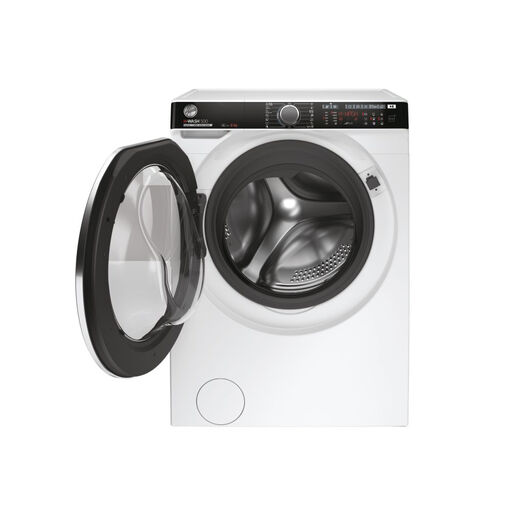
HWP 48AMBC7/1-S, 8 kg, 1400 RPM, class A
The 8 kg capacity listed in the product name may be useful when housemates combine their laundry; choose according to the loads you actually wash together.
The product name lists a freestanding front-loading machine, 8 kg, 1400 RPM, class A and white.
Joybuy
 No image available
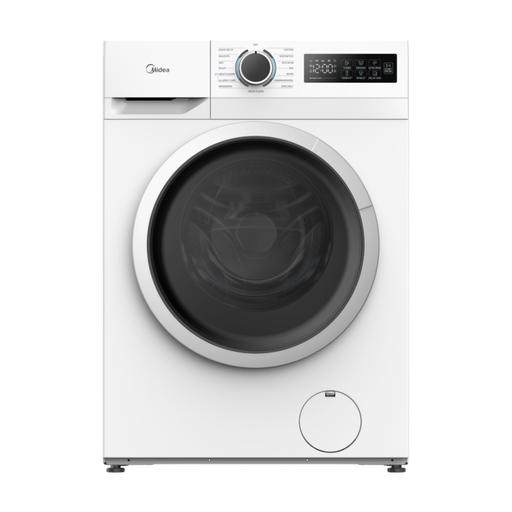
Midea MF110W80BA10/W-NL, 8 kg, 1400 RPM
The stated 8 kg capacity may suit housemates who combine their laundry; compare it with the size of a typical shared load.
The product name lists 8 kg, 1400 RPM, A-10% and white.
Joybuy
 No image available
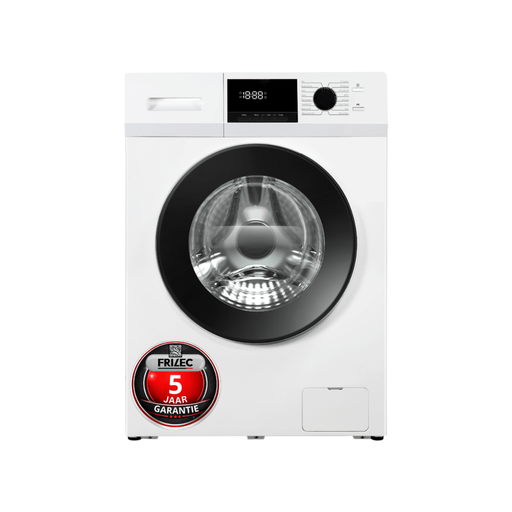
Frilec KOBLENZ8314WA-342, 8 kg
The listed 8 kg capacity may be suitable for shared laundry; check whether housemates can regularly put together a load of the right size.
The product name lists a freestanding washing machine with an 8 kg capacity.
Joybuy
 No image available
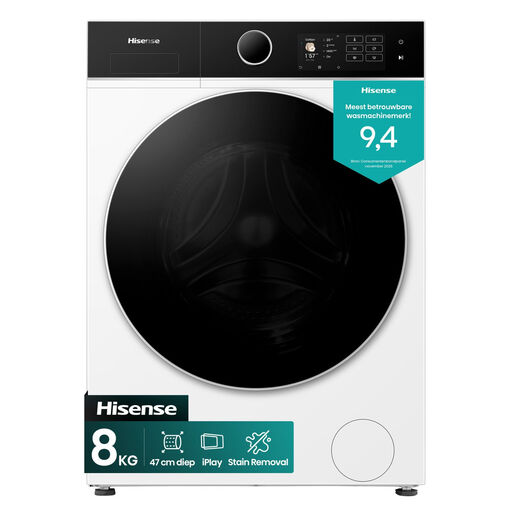
Hisense WF5I8043BWF, 8 kg, 1400 RPM
The listed 8 kg capacity may be useful when housemates combine their laundry; also measure the space where the machine will go.
The product name lists 8 kg, 1400 RPM, an inverter motor and white.
Joybuy
 No image available
Candy GD 48B9-S, 8 kg, 1351 RPM, class A
An 8 kg capacity may suit shared laundry loads; check whether the loads you wash together make use of that capacity.
The product name lists 8 kg, 1351 RPM, energy class A and a steam function.
Joybuy
Frequently asked questions
Do we need to buy our own washing machine?
Not before you’ve checked what facilities are available at your accommodation. DUWO describes both shared machines that housemates arrange to buy and maintain, and professional laundry rooms maintained by DUWO. Check which applies in your building.
What temperature should you wash cotton socks at?
Always check the care label first. For normally soiled cottons that can be washed at 40 °C or 60 °C according to the label, eco 40–60 may be suitable. Milieu Centraal recommends an eco programme for everyday laundry and notes that washing at a lower temperature saves energy; specific hygiene needs require a separate consideration.
What should we consider when installing and maintaining the machine?
Check the dimensions, connection point and stability of the surface, and ask in advance whether installation is included with delivery. Milieu Centraal also recommends running a wash at 60 °C periodically to prevent detergent and dirt residue building up in the machine.
What information is shown on the EU energy label for a domestic washing machine?
The energy label uses a scale from A to G and includes information such as energy use per 100 cycles, water use per cycle, programme duration and noise. The European Commission explains these details; compare machines using the same label criteria.
Are we automatically entitled to only two years’ legal guarantee in the Netherlands?
No. According to the Dutch government, the Netherlands has no fixed statutory guarantee period. If a product is faulty, the seller is responsible for providing an appropriate solution; normal wear and tear or damage caused by you isn’t automatically covered.


