
Often washing a small load
You regularly wash a few pillowcases and want a drum that suits the loads you usually wash together. Milieu Centraal advises against choosing a washing machine that is larger than you need.


Choose a drum capacity that suits the laundry you usually wash together. Load detection adjusts consumption, but a half-empty drum is not the same as one filled to suit the load. Then check the maximum load for a quick programme and, for hygienic washing, choose a programme that follows the care label. The Consumentenbond points out that the consumption figures on the energy label relate to Eco 40-60.
You regularly wash a few pillowcases and want a drum that suits the loads you usually wash together. Milieu Centraal advises against choosing a washing machine that is larger than you need.
You want to wash your pillowcases according to their care labels and are looking for a suitable programme when a quick or energy-saving programme is not appropriate.
You sometimes wash small loads, but also want to use the same machine for larger, mixed loads. In that case, both the drum capacity and the permitted load for each programme matter.
Start with a capacity that suits your usual laundry load. Then compare programmes and consumption based on what you actually need.
| What to consider | What to look for when buying | Who is this most relevant to? |
|---|---|---|
| Suitable drum capacity | Weigh a typical sorted load and compare it with the machine’s capacity and the load limit for each programme. | If I usually wash just a few pillowcases, I want a drum that suits the other laundry I can add. Around 28% of consumers say a suitable load capacity is their top priority. |
| Hygienic washing | Check the care label and compare the permitted temperature and load for a suitable programme. | When hygienic washing is needed, I want to choose a programme that suits the fabric and care label. For around 22% of consumers, this type of wash is their top buying priority. |
| Consumption if you wash frequently | Only compare energy label figures for Eco 40-60 with one another. For other programmes, look for figures measured on the same programme basis. | If I wash frequently, I want to assess consumption for the programmes I actually use. Around 22% of consumers put consumption at the top of their list. |
| Quick programmes | Check the maximum load, fabric suitability and programme duration for the exact model. | If I want to quickly wash a small load between regular washes, I want to know what the quick programme can handle. For around 17% of consumers, a quick wash is their top priority. |
| Installation | Measure the available space and compare the model dimensions and connection requirements with the installation instructions. | If space is limited, I want to know in advance whether the machine will fit and can be connected there. Around 11% of consumers cite installation as their top buying priority. |
The Consumentenbond points out that load detection does not fully adjust consumption to a small load. The consumption figures on the energy label relate to Eco 40-60, so don’t use them as consumption figures for a quick or standard cotton programme.
Load detection can adjust water use, but that does not mean a half-empty drum will deliver the same results or consumption per kilo as a suitably full drum.
Choose a capacity based on a weighed, typical laundry load. Treat sensors as an extra feature, not a substitute for filling the drum appropriately.
The name does not mean that the laundry is washed at 60 °C. The Consumentenbond advises against using Eco 40-60 for bedding that needs a hygienic wash.
Follow the care label and check which standard cotton or hygiene programme is suitable for the wash you need.
The consumption figures on a washing machine’s energy label are based on Eco 40-60. They do not automatically show the consumption of a quick or other standard programme.
Only compare programmes using figures based on the same programme.
Bosch lists load adjustment and a SuperKort 30' programme for the WUU28T20NL.
For the WU14UT20NL, Siemens lists waterPerfect Plus and speedPack L, with 15- or 30-minute programmes.
For the WEB375 WPS PWash&8kg, Miele lists an 8 kg drum, QuickPowerWash and Express 20, among other features.
The selection below includes foldable mini washing machines for small loads and 6 kg washing machines for anyone who also wants to wash other items in the same machine.
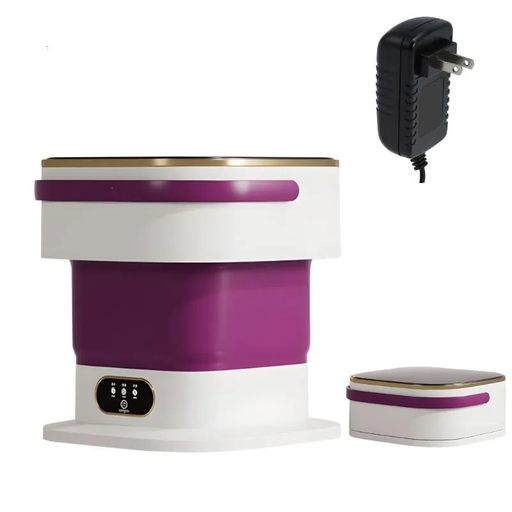 No image available
A foldable option for small loads. Check that your pillowcases will fit and that the machine is suitable for their care label.
Capacity: 15 litres. Maximum wash load: 1.9 kg. Includes a separate spin-dryer basket.
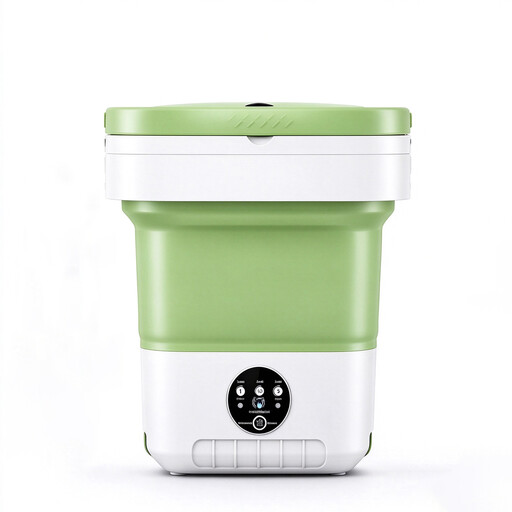 No image available
A foldable option for small loads. Check that your pillowcases will fit and that the machine offers the wash treatment you need.
Capacity: 12 litres. Maximum wash load: 1.5 kg. Includes a separate spin-dryer basket.
 No image available
An option if you also want to use the same machine for other laundry. Check that the dimensions and programme load suit your space and washing needs.
Depth: 45 cm. Quick Wash: 15 minutes. Auto Weight adjusts water consumption and cycle duration to the weight of the laundry. Also listed: Steam Wash, BLDC inverter motor and energy class B.
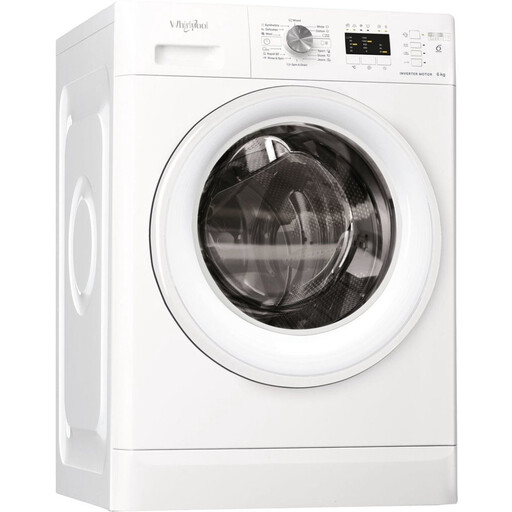 No image available
A 6 kg option for combining small loads with other laundry. Check the available space and which programme suits your items.
Spin speed: 1200 rpm. 14 programmes, including cotton, eco, wool and quick. Dimensions: 59.5 × 57.5 × 84.5 cm.
No. The Consumentenbond advises against using Eco 40-60 for bedding that needs a hygienic wash. Follow the care label and check which standard cotton or hygiene programme is suitable. The name Eco 40-60 does not mean the wash reaches 60 °C.
The consumption figures on the energy label are based on Eco 40-60, not a quick programme. Before comparing consumption, look for figures for the other programme that have been measured on the same basis.
Choose a capacity based on the laundry you usually wash together, not just a few pillowcases. The Consumentenbond notes that load detection does not adjust consumption very precisely. Also check the load limit for the programme you want to use.
Not necessarily. Check the maximum load, fabric suitability and programme duration for the exact model. For hygienic washing, follow the care label and choose a suitable programme.
The Consumentenbond recommends measuring detergent correctly, leaving the door and detergent drawer open to dry after use, and checking the door seal and filter regularly. It also recommends running a standard programme at 60 °C once or twice a month, using laundry whose care label allows this temperature.