
Commuters with small loads
You want to wash a few cotton T-shirts regularly after getting caught in the rain, and are mainly looking for the right programme and an appropriate small-load limit.


If you usually only wash a few cotton T-shirts after getting caught in the rain, focus on the cotton programme and the maximum load for any short cycle. If you usually wash larger loads, compare drum capacity, energy use on the EU label and the space available too. A short programme isn’t automatically suitable for a full drum or heavily soiled clothes.
You want to wash a few cotton T-shirts regularly after getting caught in the rain, and are mainly looking for the right programme and an appropriate small-load limit.
You usually wash T-shirts with other suitable cotton clothes and want a drum size that suits your typical load.
Your choice depends largely on the machine’s external dimensions, where it will go and how noisy it is during the spin cycle.
Milieu Centraal advises against buying a washing machine that’s larger than you need. Start with the amount of laundry you usually wash together, then check the programme information for smaller loads.
| Buying concern | What to look for | Who is this most relevant to? |
|---|---|---|
| Suitable washing | Check the cotton programme and the maximum load for a short programme. | When I wash T-shirts that have got wet in the rain, I want a programme that suits the care label and how soiled they are—not just the shortest cycle. Around 36% of consumers give suitable cleaning the highest priority. |
| Suitable load capacity | Compare your usual amount of laundry with the drum capacity and the limit for each programme. | I want to know whether I’ll usually wash shirts separately or wait until I can wash them with other cotton clothes. Around 29% of consumers prioritise a load capacity that suits their laundry routine. |
| Energy use over repeated washes | Compare kWh per 100 eco cycles, water consumption and programme duration on a like-for-like basis. | If I wash frequently, I want to take energy use into account without overlooking how long programmes take. Around 21% of consumers choose running costs as their main consideration. |
| Fitting and noise | Measure the machine and the route it will take to its position; compare the spin noise level on the label. | I need to consider the available space, connections and the room where the machine will run. Around 14% of consumers give fitting and noise the highest priority. |
A short cycle may have a much lower maximum load than the machine’s rated capacity. Bosch lists a maximum load of 3.5 kg for SuperKort 30' on the WGG14408NL, even though the drum capacity is 9 kg.
Check the programme table for the number of T-shirts you usually want to wash.
A larger machine is most useful if you also regularly wash suitable, larger loads. Milieu Centraal advises matching the capacity to the amount of laundry you usually wash.
Choose based on all the clothes you can usually wash together, not just the occasional rain-soaked T-shirt.
The energy and water figures on the EU label relate to the eco 40-60 programme. Other programmes may use different amounts of energy and water and take a different length of time.
Compare label figures on a like-for-like basis, then check which programme you actually need.
AEG’s Steam Refresh option is designed for clothes that don’t need a full wash; it has not been shown to replace washing a visibly dirty T-shirt.
For genuinely dirty laundry, choose a programme that suits the care label and washing instructions.
The BM3WFU38412CW is an 8 kg front-loading washing machine with a cotton programme and a short programme.
The L73FR86N4V is an 8 kg front-loading washing machine with cotton wash options and a separate Steam Refresh function.
The Serie 6 WGG14408NL shows why you should consider the load limit for a short programme separately from the drum capacity.
The WW80CGC04AAEEN is an 8 kg front-loading washing machine with an A energy rating and Ecobubble.
These product picks range from compact laundry solutions to machines for larger household loads. For each model, check that its programme and permitted load suit the cotton T-shirts you want to wash.
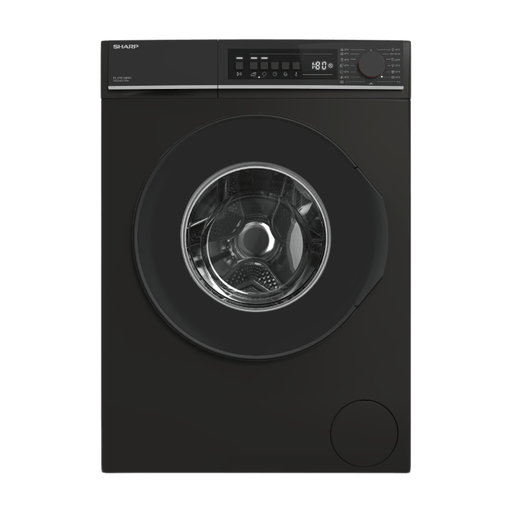 Image unavailable
Check that this model’s cotton programmes and load limits suit the number of T-shirts you want to wash.
The product title lists 7 kg, 1400 rpm, an A energy rating and an inverter motor.
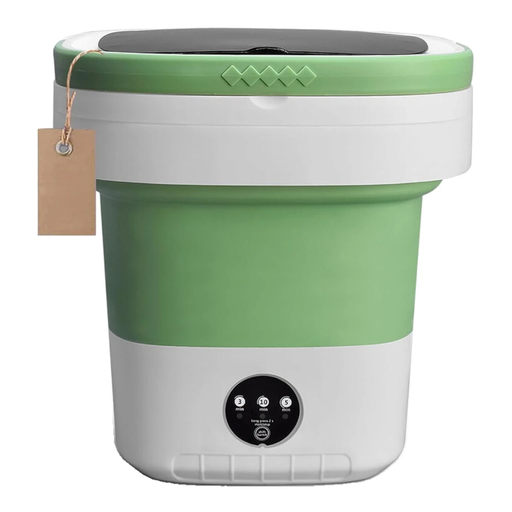 Image unavailable
This compact laundry solution could be worth considering if you want to wash small loads; check that this model is suitable for the T-shirts you want to wash.
The product title lists 12 L, a foldable design and a spin-dryer basket.
 Image unavailable
This 8 kg machine could be an option for washing cotton clothes together; check the load limit for the Cotton programme to make sure it suits your needs.
The product title lists an 8 kg capacity, 1400 rpm and 16 wash programmes.
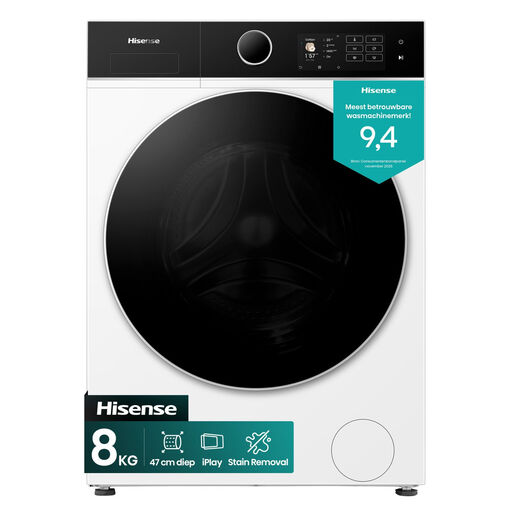 Image unavailable
An 8 kg model could suit larger loads washed together; check the external dimensions and programme information before choosing.
The product title lists 8 kg, 1400 rpm and an inverter motor.
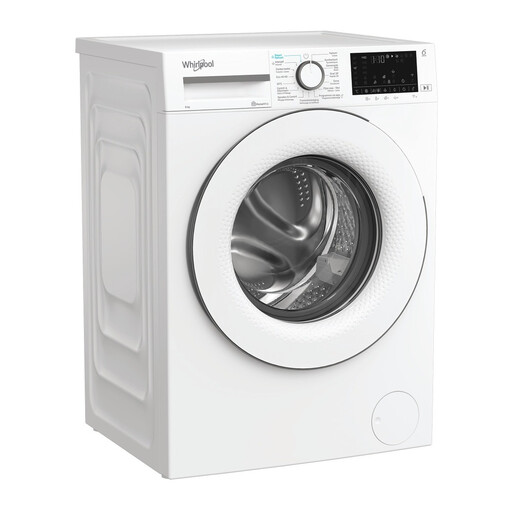 Image unavailable
This model could be worth comparing for cotton laundry; check the programme instructions and maximum load for your T-shirts.
The product title lists a 7 kg capacity and 1200 rpm.
Always follow the care label first and choose a suitable cotton programme. If the shirts are heavily soiled, check whether a short cycle is designed for that kind of wash; a refresh function isn’t the same as a wash programme.
Not without checking the programme limit. Bosch lists a drum capacity of 9 kg for the WGG14408NL, but a maximum load of 3.5 kg for SuperKort 30'.
Measure both the space and the route to where the machine will be installed, and check the available connections. The Consumentenbond points out that installation can sometimes cost extra, so ask in advance what’s included with delivery.
Compare the figures on the EU energy label on a like-for-like basis, including energy use per eco cycle and programme duration. These label figures don’t automatically show the energy use of a short cycle or another cotton programme.
According to the Dutch Government, the seller must provide a solution if a product is faulty. A manufacturer’s guarantee doesn’t replace your statutory rights.